


Regionalization is becoming a sourcing strategy, not a slogan
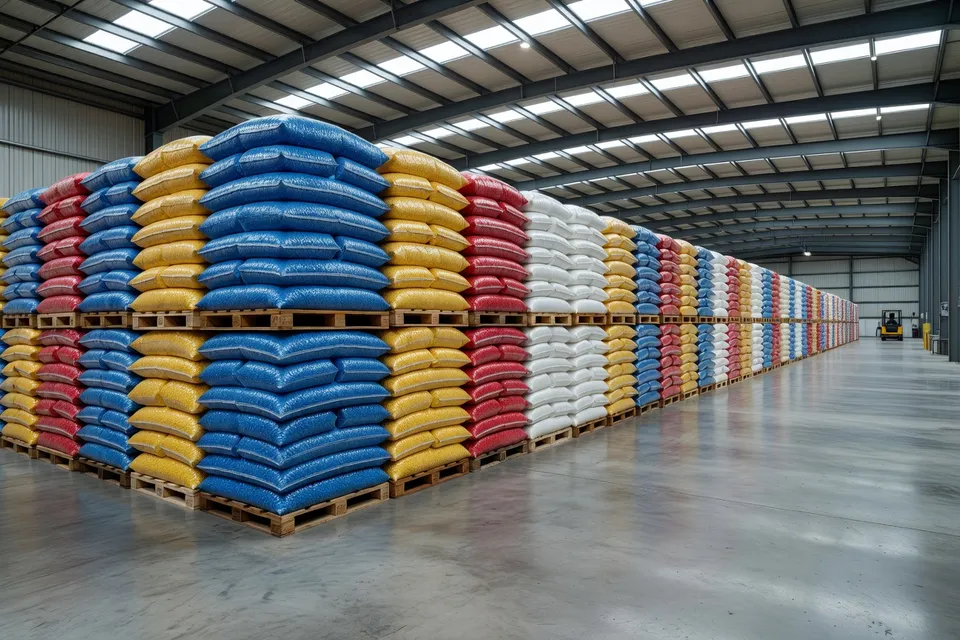
In 2026, plastics manufacturers are being pushed to rethink the old assumption that the lowest-priced resin is the best commercial choice. M. Holland says regionalization is emerging as a way to de-risk supply chains, improve predictability and protect continuity, as more buyers favor local or regional networks over long global routes. That shift is no longer just a procurement preference. It is increasingly a response to trade volatility, tariff exposure and the practical cost of disruption.
For processors and converters, the implication is clear: resin selection is now tied to logistics reliability as much as to material performance. M. Holland advises buyers to factor in origin, expected tariffs and possible supply interruptions when judging the true cost of material. Its guidance also stresses closer supplier relationships and alignment between sourcing, production planning and customer commitments, because regional inventory hubs can respond faster when demand changes or supply is interrupted.
Regulation is tightening around recycled plastics
Policy is adding another layer of pressure. The European Commission’s plastics strategy frames plastics as part of the EU’s transition toward a circular and resource-efficient economy, with specific actions aimed at reducing waste, boosting recycling and changing how plastics are designed, used and recovered. The Commission has also set out measures to support demand for recycled plastics while strengthening market oversight and import controls.
Those measures matter because the EU is not only trying to increase recycled content inside its borders; it is also trying to control what counts as recycled material. The Commission says it has secured support for new rules on recycled content in PET beverage bottles, with an implementing act moving through adoption. It has also signaled stricter documentation for imported recyclates, separate customs codes for virgin and recycled plastics, and additional safeguards for imported food-contact recyclates.
China’s reopening changes the trade map
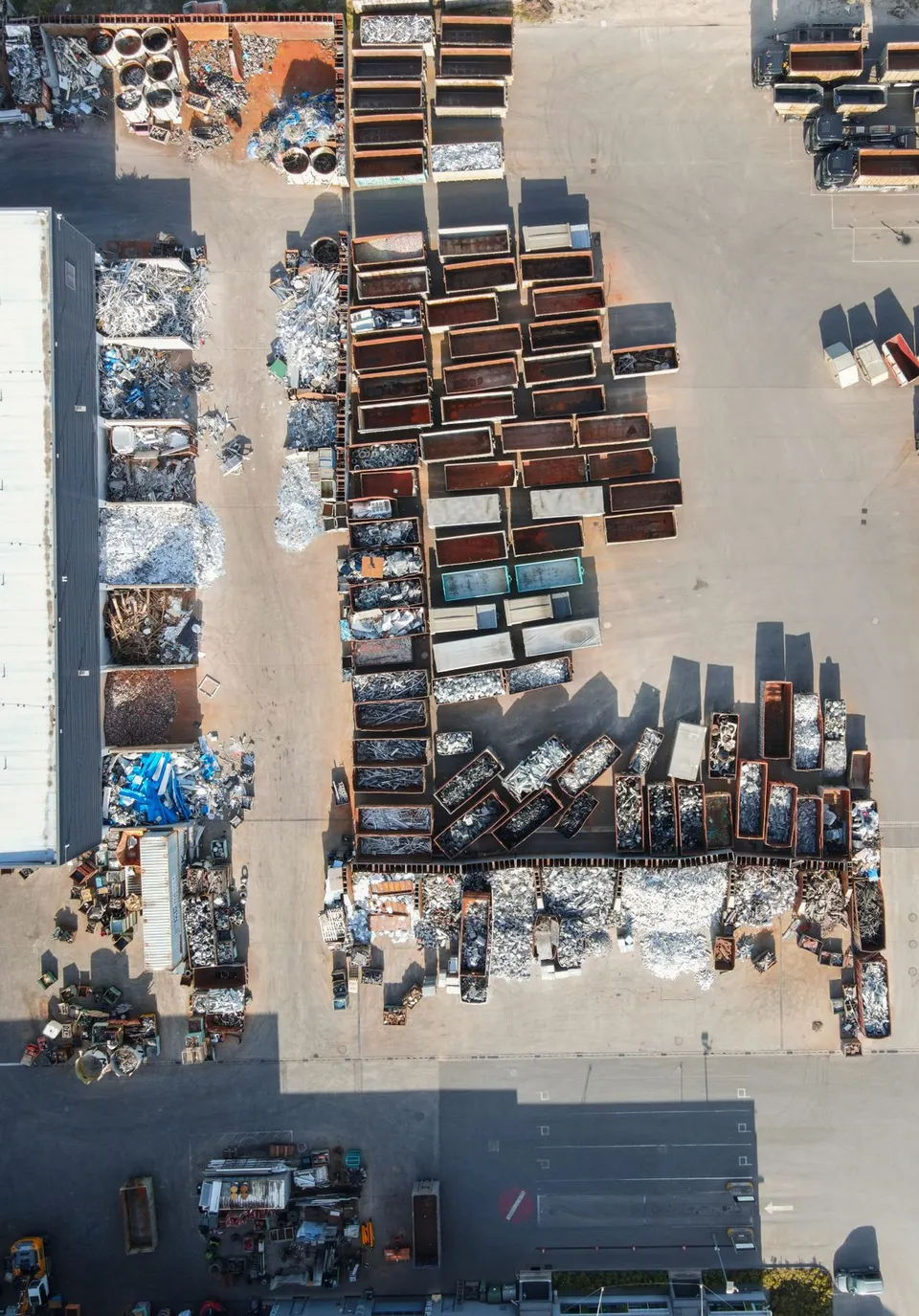
At the same time, China is reversing a long-standing stance on recycled plastic imports. Reporting in August 2026 said Beijing’s Circular Economy Development 15th Five-Year Plan commits China to taking in good-quality recycled feedstock from abroad, simplifying entry procedures and widening the range of material categories that can be imported. The same report said the plan targets an internationally advanced recycling sector by 2035 and includes an annual benchmark of more than 19.5 million tonnes of recycled plastics by 2030.
That change could reshape flows of recovered material just as Europe is preparing to restrict exports of plastic waste to non-OECD countries from November 2026. For recyclers, the result may be a more contested global market for sorted, high-quality feedstock. For brand owners seeking recycled content, it could mean tougher competition for material and more pressure on traceability, quality assurance and long-term supply contracts.
The economics argue for caution and flexibility
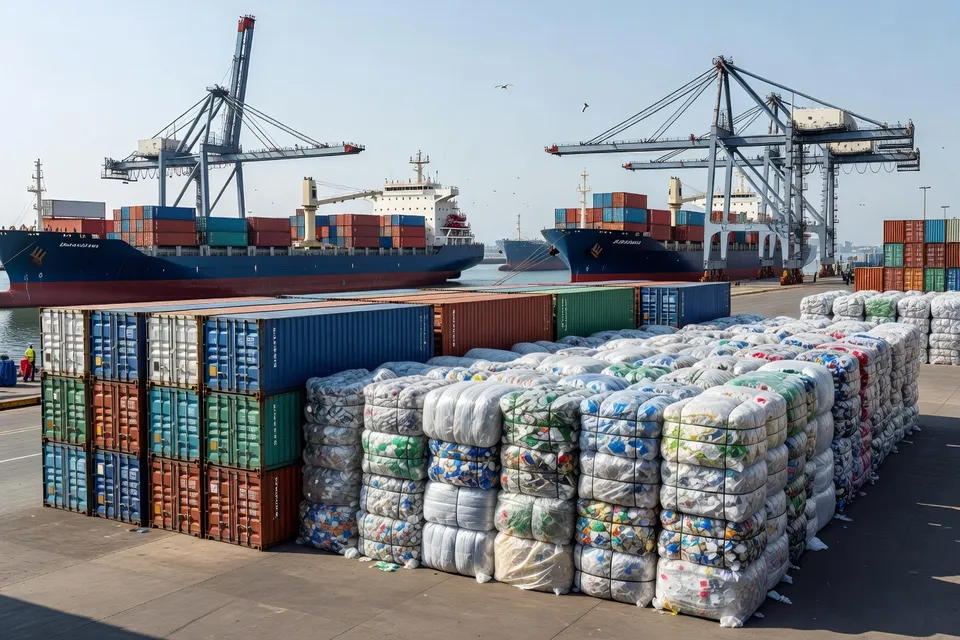
The American Action Forum’s research shows why policy shifts land so heavily on the sector. It says the U.S. plastics industry produced $358 billion in gross output in 2023, employed more than 660,000 workers and paid over $46 billion in wages. The same research notes that plastics were used as an intermediate input worth $334.9 billion in production, with manufacturing the largest consumer at $195 billion, or 58 percent. In 2024, the U.S. exported $68.5 billion of plastics goods and imported $65.0 billion.
U.S. Plastics Industry Key Economic Figures, 2023-2024
| Economic Figures | Value (USD Billion) |
|---|---|
| Gross Output (2023) | 358 USD Billion |
| Wages (2023) | 46 USD Billion |
| Intermediate Input | 334.9 USD Billion |
| Manufacturing Consumption (2023) | 195 USD Billion |
| Exports (2024) | 68.5 USD Billion |
| Imports (2024) | 65 USD Billion |
Those figures underline the breadth of the ripple effect. When trade rules, customs classifications or waste shipment rules change, the impact extends beyond recyclers to compounders, packaging makers, auto suppliers, medical product producers and logistics providers. A slower customs process or stricter documentation regime can lengthen lead times and raise working-capital needs. A tighter recycled-content rule can also force converters to lock in supply earlier or qualify additional sources.
What this means for supply chains in the second half of 2026
The near-term market message is not that globalization is ending. It is that plastics supply chains are becoming more selective, more regional and more compliance-driven. M. Holland’s view of regionalization, the European Commission’s push for tighter oversight and China’s selective reopening all point in the same direction: material origin is now a strategic variable, not a back-office detail.
For converters, that means more attention to dual sourcing, regional stock points and specification flexibility. For recyclers, it means quality, certification and customs documentation will carry more commercial value. For brand owners, the challenge will be to secure compliant feedstock without accepting avoidable logistics risk or cost inflation. The suppliers best positioned for 2026 are likely to be those that can offer traceability, regional availability and enough operational flexibility to withstand a more fragmented trade environment.
Editorial Insights
- How is regionalization changing resin sourcing strategies for plastics processors and converters?
- Regionalization is pushing buyers to weigh logistics reliability, tariff exposure, and disruption risk alongside price and performance when selecting resins. This encourages dual sourcing, regional inventory hubs, and tighter coordination between procurement and production planning so that supply can be adjusted quickly when trade conditions or demand shift. Over time, processors that treat origin and regional availability as strategic variables rather than secondary details are likely to see fewer production interruptions and more stable customer service.
- What does tighter regulation of recycled content mean for long-term investment decisions in recycling and converting capacity?
- Stricter rules on what qualifies as recycled content and more granular customs classifications are turning compliance into a core value driver for recycling assets, not just a legal requirement. Investors will prioritize facilities that can deliver certified, traceable, food-contact-safe recyclate with robust documentation, as these will command stronger demand and pricing. Converters, in turn, may need to invest earlier in qualifying multiple recycled streams, laboratory testing, and digital traceability tools to avoid becoming locked out of regulated end markets.
- How could shifting global trade in recycled plastics affect the economics of high-quality feedstock supply?
- As more regions both tighten rules on waste exports and simultaneously court imports of high-quality recyclate, sorted material is likely to become scarcer and more contested. That dynamic tends to lift prices for clean, well-characterized feedstock while widening the discount on lower-grade material that cannot meet documentation or quality thresholds. For recyclers and brand owners, this raises the economic stakes around long-term contracts, stable sorting capacity, and rigorous quality assurance, since access to premium feedstock becomes a competitive differentiator.
- In what ways do evolving customs and documentation requirements reshape operational risk for plastics supply chains?
- More detailed customs codes and stricter documentation regimes add procedural friction that can extend lead times, increase working-capital needs, and expose weak points in supply chain data. Firms that still treat paperwork and origin tracking as administrative afterthoughts may face delayed shipments, compliance disputes, or sudden loss of market access. Building robust data trails, harmonizing specifications across regions, and integrating compliance into commercial planning is becoming essential risk management rather than optional overhead.
- How do rising recycled-content expectations intersect with broader sustainability and public trust in plastics?
- Increasing recycled-content expectations reflect a push not only to reduce waste, but also to improve transparency around how plastics are used and recovered. When supply chains can credibly demonstrate traceable, certified recycled inputs and responsible sourcing, they help counter skepticism that circularity is purely a marketing narrative. Conversely, if rules tighten faster than data and quality systems mature, gaps between claims and reality risk eroding trust and inviting sharper scrutiny of the industry’s sustainability performance.
- What strategic capabilities will differentiate plastics suppliers in an increasingly regional and compliance-driven market?
- Suppliers that combine regional stock points, flexible specifications, and robust traceability systems will be better positioned to serve customers facing volatile trade and tightening rules. The ability to pivot between virgin and recycled inputs, manage dual sourcing across regions, and provide reliable compliance documentation will matter as much as price and technical performance. Over the next few years, commercial strength is likely to tilt toward those operations that treat regulatory alignment and origin management as core strategic disciplines.
References
- 1.M. Holland Company. (2026, June 16). 2026 trend breakdown: Plastics supply chain regionalization. M. Holland Company.
- 2.Ashton, F. (2025, June 25). Plastics and the economy. American Action Forum.
- 3.Office for National Statistics. (2026, August 26). Blue Book 2026: Industry impact analysis. Office for National Statistics.
- 4.European Commission. (2025, February 11). Plastics strategy. European Commission Environment.
- 5.Robertson, J., & Woodring, D. (2026, August 21). After 9 years, China is reopening its borders to recycled plastic. The Diplomat.
- 6.Michelin. (2026, July 20). Market trends. Michelin.
- 7.Research and Markets. (2026, January). Plastic market report 2026. Research and Markets.