

Europe’s circularity slowdown puts advanced recycling under pressure
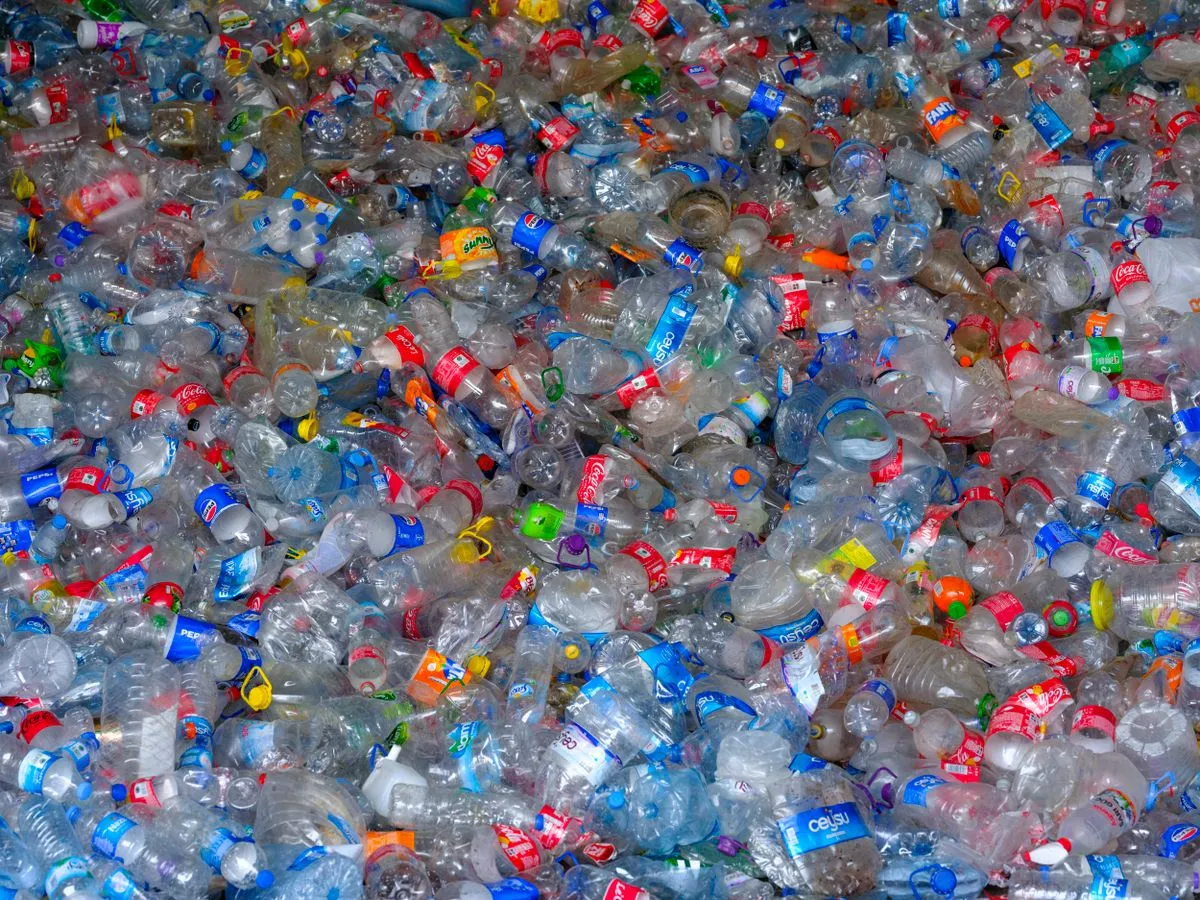
Walking recent European sustainability forums, one theme kept resurfacing in side conversations between resin producers, recyclers and converters: the numbers no longer match the rhetoric. Plastics Europe’s 2026 "Circular Economy for Plastics" analysis shows that while circular plastics output in Europe reached 8.7 million tonnes in 2024, or 15.8% of total production, growth has almost stalled, dropping from 13.6% in 2022 to just 1.2% in 2024. Converter demand for circular plastics has also cooled, with annual demand growth falling from 16.2% in 2022 to 4% in 2024.
The headline is uncomfortable for recyclers that have spent the past five years pitching large-scale chemical recycling as the missing piece of the circularity puzzle. Europe is now importing 19% of its circular plastics while sending 12.4% of collected plastic waste to be recycled outside the region, underlining how dependent the system has become on external value chains. For plant developers, that translates into fragile offtake and feedstock assumptions just as capital costs and energy prices bite.
Chemical recycling: from breakthrough claims to economic reality
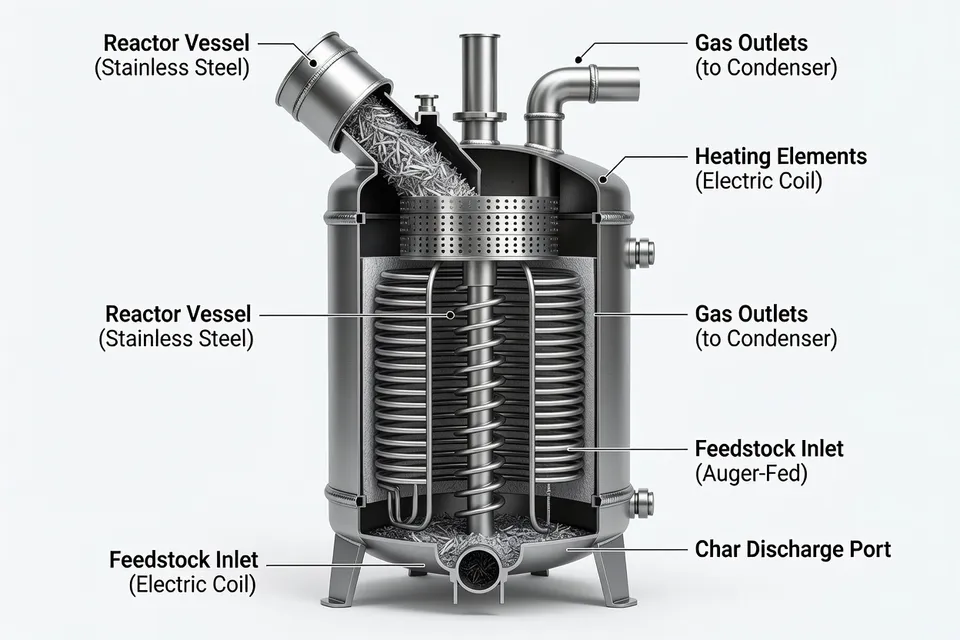
The tension is perhaps most clearly articulated in Enespa’s August 2026 analysis of chemical recycling projects, which dissects why so many high-profile ventures in pyrolysis and depolymerisation have struggled despite impressive technology maturity. The company points to a pattern familiar to anyone who has visited dormant or downsized plants across Europe: technology is often not the bottleneck. Instead, a mix of high capital expenditure, volatile power and gas prices, and uncertain long-term buyers for outputs such as pyrolysis oil tends to derail business plans.
Chemical recycling sits in a particularly exposed position. Its processes handle complex, contaminated polyolefin waste streams that mechanical recyclers cannot treat economically, but this complexity comes with higher operating costs and a heavy reliance on stable, high-volume offtake into crackers and refineries. Enespa notes that many business models implicitly assume that political commitments to recycled content will translate quickly into price premiums and secure offtake contracts, yet markets are evolving more slowly than regulation.
In response, Enespa has recast itself less as a pure technology vendor and more as a “Recycling as a Service” operator, bundling plant design, permitting support, operator training, laboratory back-up and even participation in feedstock sourcing and product marketing into end-to-end project packages. The pivot reflects a broader lesson from early plants: without tight integration across the value chain, even technically sound pyrolysis units struggle to run at high utilisation.
New chemistries target difficult streams
At the research end, a series of recent breakthroughs highlight how "advanced recycling" is broadening well beyond classic pyrolysis. A June 2025 study from KAIST describes a dual‑catalyst continuous reaction system that selectively converts waste tyres into high‑purity cyclic alkenes such as cyclopentene and cyclohexene, which can be reused as feedstock for rubber and nylon fibres. The system reportedly achieves selectivity up to 92% and yields of 82%, pointing towards industrially relevant recovery of high-value molecules from a notoriously problematic waste stream.
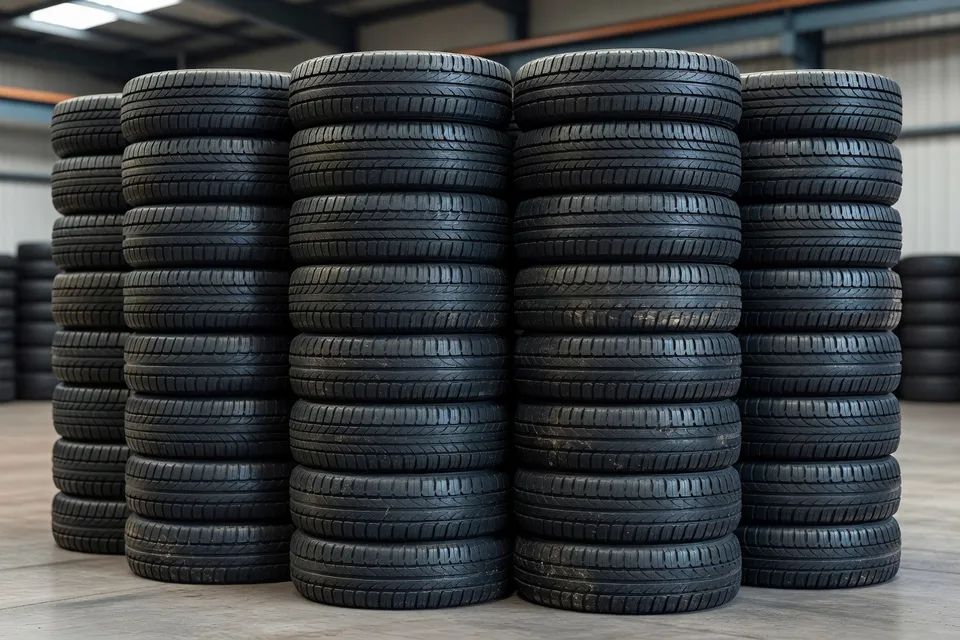
For processors in tyre, hose and technical rubber markets, technologies like this could eventually provide a chemically consistent secondary feedstock rather than the heterogeneous crumb rubber or low-grade oils they have been offered in the past. But commercialisation will face the same hurdles seen in plastics pyrolysis: plant economics, energy intensity, and long-term purchase agreements for the recovered monomers.
Regulators redraw the map for advanced recycling
While engineers push yields higher, lawyers and lobbyists are battling over what advanced recycling actually is in regulatory terms. A January 2026 regulatory outlook on advanced recycling in the United States underlines how state-level rules are diverging. A growing number of states now classify chemical recycling as manufacturing rather than waste management when it turns discarded plastics into feedstock without creating major disposal concerns, an approach that can ease permitting and allow facilities to access industrial incentives rather than waste‑facility constraints.
Other jurisdictions are taking a harder line. State debates over whether to treat pyrolysis as recycling or disposal have produced a patchwork: some proposals seek to exempt advanced recycling plants from solid waste rules, while others would effectively bar plastic‑to‑fuel conversion projects on environmental grounds. For investors, the lack of a national consensus in the U.S. is starting to look like a regulatory risk in its own right.
In Europe, the policy story is moving in almost the opposite direction. The European Commission’s early‑2026 package of measures on plastics circularity pairs support for recycling with tighter scrutiny. Planned EU‑wide end‑of‑waste criteria for mechanically recycled plastics are designed to create a genuine single market for recyclate, while separate customs codes and market monitoring for virgin and recycled plastics aim to ensure fair competition and keep a closer eye on imports. At the same time, from November 2026, exports of plastic waste to non‑OECD countries will be banned, a change that will force more material to be treated within Europe’s borders.
That shift is already visible in trade data: exports of sorted plastic waste from Europe have reportedly risen 36.5% since 2022, even as policymakers warn that the continent is exporting value along with material. With the export window to non‑OECD markets closing, pressure to scale both mechanical and advanced recycling capacity within the region is set to rise, even as the Plastics Europe data show that current growth rates are far too low to reach climate and circularity goals.
China’s reopening and the geopolitics of secondary feedstock
Against this European backdrop, China’s decision in July 2026 to re‑open its borders to imported recycled plastics marks a striking policy reversal. The country’s Circular Economy Development 15th Five‑Year Plan commits to accepting high‑quality recycled feedstock from abroad, reworking entry mechanisms, simplifying procedures and expanding eligible categories so imported material can supplement domestic supply. The plan sits alongside a wider circular economy architecture that includes a target of more than 19.5 million tonnes of recycled plastics annually by 2030.
For European recyclers, the timing matters. As the EU prepares to ban plastic waste exports to non‑OECD countries from November 2026, China is positioning itself—at least on paper—as a selective buyer of quality secondary raw materials. That could create new competition for sorted, high‑grade recyclite just as European converters complain that domestic supply is tight and costly.
Crucially, China’s new Ecological Environment Code establishes that the state can impose mandatory recycled content requirements in key product categories, a step that, if fully implemented, would hard‑wire demand for secondary plastics into its manufacturing base. In private, European recyclers watching these moves are beginning to worry that while they wrestle with fragmented rules at home, Beijing may be building a more streamlined demand signal for circular feedstock.
Pact politics: what counts as “problematic” in a world of advanced recycling?
Even within voluntary industry frameworks, the rise of advanced recycling is reshaping assumptions about which materials have a future. The U.S. Plastics Pact’s Problematic and Unnecessary Materials list, first released in 2022 with 11 packaging items deemed unlikely to be reusable, recyclable or compostable at scale by 2025, has been a key reference point for brand owners redesigning packaging.
The list covers items such as non‑recyclable cutlery and straws, opaque PET bottles, oxo‑degradable additives, problematic label constructions, polystyrene and PVC. In the past two years, the Pact has expanded its scope to encompass multi‑material films, non‑compostable produce stickers and an extended range of degradable additives that are not certified compostable, with a new goal of eliminating all listed items by 2030.
Yet the politics are changing. In August 2026, the Pact removed expanded polystyrene (EPS) transport packaging from the problematic list, its first ever delisting, following new data from the Polystyrene Recycling Alliance on recycling rates. The change does not apply to other polystyrene applications, but it shows how emerging advanced and specialised recycling routes can force a re‑evaluation of what is considered "non‑circular".
For packaging engineers and procurement teams inside brand owners, these shifts complicate material strategies. A substrate that is on a phase‑out list one year may, if backed by credible recycling infrastructure and data, regain conditional acceptance later. The message from Pact stakeholders is that recycling performance, not material ideology, will increasingly drive these decisions.
What this means for processors and brands
Taken together, these developments point to a more demanding next phase for advanced recycling rather than a retreat. In Europe, the combination of a stalling circularity rate, a looming export ban on plastic waste to non‑OECD countries, and new single-market rules for recyclate will push policymakers to scrutinise which projects genuinely add capacity and which simply absorb subsidies.
In China, emerging recycled-content mandates and renewed openness to high-quality secondary plastics suggest a large, policy-driven demand pool that could either relieve or intensify competition for recyclite, depending on how trade rules and standards evolve. In the U.S., the regulatory classification fight will continue to determine whether chemical recycling is treated as part of manufacturing or as waste disposal, with major consequences for siting and cost.
For processors, converters and brand owners, three practical implications stand out:
- Contract discipline: Long-term offtake and feedstock agreements are becoming make-or-break for advanced recycling projects. Without them, technically impressive plants will remain underutilised.
- Design aligned with real infrastructure: Pack formats that fall on "problematic" lists or cannot meet EU end-of-waste criteria will face rapid obsolescence, regardless of theoretical recyclability.
- Portfolio thinking on recycling technologies: Mechanical, chemical and emerging catalytic routes are no longer either/or choices. The plants that will matter most to brand owners are those that plug into real product specifications and regulatory obligations, not just into technology slides.
Advanced recycling is no longer a story of simple technological optimism. It is being rewritten—in policy texts, trade data and plant balance sheets—as a test of whether the plastics value chain can align chemistry, capital and regulation quickly enough to turn promising processes into dependable circular feedstock at scale.
Editorial Insights
- Why is advanced recycling moving from a technology story to a business-model story?
- Because the main constraint is increasingly not whether the chemistry works, but whether projects can run at scale with stable feedstock, predictable energy costs and committed buyers for the output. In practice, that means advanced recycling succeeds only when it is integrated into the wider value chain rather than treated as a standalone plant.
- What does the current slowdown in circular plastics growth signal for the sector?
- It suggests that headline commitments are outrunning actual system capacity. When growth in circular output flattens, the sector is exposed to tighter margins, weaker confidence in expansion plans and greater pressure to prove that new investments can deliver measurable throughput rather than just policy-aligned narratives.
- How will tighter rules on waste exports affect recycling investment decisions?
- They make domestic capacity more valuable but also raise the bar for economics and compliance. If more material must be processed within regional borders, projects will need to demonstrate reliable sorting, end-market access and regulatory fit, otherwise the system risks bottlenecks rather than circularity gains.
- What role can advanced recycling play in handling waste streams that mechanical recycling cannot manage well?
- Its strongest case is with complex, contaminated or multi-layered materials that are poor candidates for conventional recycling. The long-term value lies in converting those difficult streams into consistent secondary feedstocks that can re-enter manufacturing at a quality level buyers will actually specify.
- Why are packaging rules becoming more tied to infrastructure than to material ideology?
- Because a package is increasingly judged by whether it can be collected, sorted and converted into a usable feedstock at scale. That shifts the debate away from simple material bans and toward evidence on real-world recovery rates, processing capacity and end-market demand.
- What does the rise of specialized recycling routes mean for the future of circular plastics and rubber?
- It points to a more segmented system in which different waste streams will need different recovery technologies, commercial models and product specifications. The winners are likely to be the routes that can prove both technical performance and market pull, because circularity will depend as much on procurement and regulation as on chemistry.
References
- 1.Robertson, J., & Woodring, D. (2026, August 21). After 9 years, China is reopening its borders to recycled plastic. The Diplomat.
- 2.Plastics Europe. (2026, May 18). Circular economy for plastics 2026. Plastics Europe.
- 3.Phys.org. (2025, June 26). New and highly efficient recycling technology to turn used tires into raw materials for rubber and nylon. Phys.org.
- 4.Brill, M. O., Rothenstein, C., & Coneski, P. (2026, January 14). 2026 regulatory outlook: Advanced recycling. K&L Gates.
- 5.Waste Dive. (2022, January 25). US Plastics Pact releases anticipated 'problematic and unnecessary' materials list. Waste Dive.
- 6.Enespa. (2026, August 22). Chemical recycling: Between technological breakthrough and economic reality. Enespa.