


Polyolefin Rally Gives Way to a Patchy Mid‑Year Correction
By late summer 2026, the blistering escalation in commodity resin prices seen earlier in the year has clearly broken, but not in a clean, uniform way across polymers or regions.
On the ground, the clearest reset is in polyethylene (PE) and polypropylene (PP), where a mix of inventory overhang, softer demand and shifting feedstock economics is now pulling prices off their spring peaks. Plastics Technology’s August 2026 update describes a “sharp decline” for polyolefins, noting that PE prices, after rolling over in May, were heading down by double digits in June with market estimates around a 15¢/lb decline. North American PE had already given back 15¢/lb in June after a 45¢/lb run‑up through April, erasing roughly a third of that earlier surge.
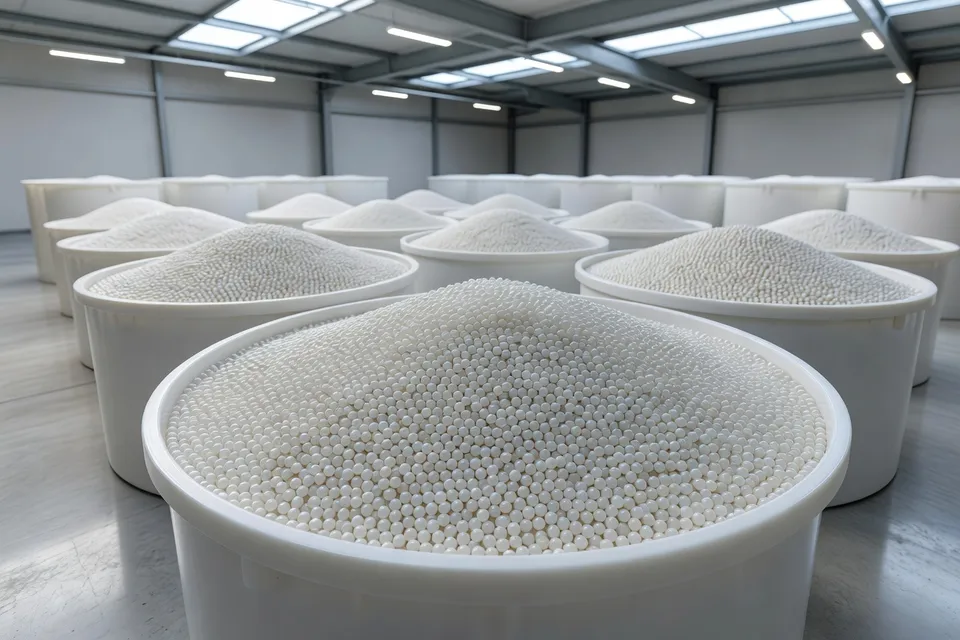
PP has followed a similar arc but with a closer tether to monomer. The same August 2026 resin pricing review reports that PP, after dropping 7¢/lb in May, fell another 8.5¢/lb in June, tracking polymer‑grade propylene (PGP) that settled at 43.5¢/lb. IMARC’s polypropylene pricing report underscores how broad the correction has become: by July 2026, PP prices had slipped to 1.22 USD/kg in Northeast Asia, 1.77 USD/kg in Europe, 1.12 USD/kg in India and 1.25 USD/kg in North America, all showing double‑digit percentage declines versus prior months.
PP Prices by Region, July 2026
| Region | PP Prices (USD/kg) |
|---|---|
| Northeast Asia | 1.22 USD/kg |
| Europe | 1.77 USD/kg |
| India | 1.12 USD/kg |
| North America | 1.25 USD/kg |
For processors, that combination of domestic double‑digit cent‑per‑pound drops and global price retreats is resetting the calculus on contract cover. Film and injection molders that front‑loaded purchases in March–April now find themselves holding high‑priced inventory while spot and export numbers slide. The practical response described by market sources is disciplined buying: converters are sticking closer to near‑term production needs, delaying restocking and pressing suppliers to narrow the gap between contract and rapidly moving spot levels.
PE: Americas Prices Flicker Higher Even as Global Demand Softens
The correction is not one‑way. In late July, S&P Global reports that Americas PE prices stabilized or rose, with all but two assessed grades up or flat in the week ended July 22, 2026. Platts assessments showed HDPE film FAS Houston up 66 USD/mt, HDPE blow molding up 33 USD/mt and HDPE injection up 66 USD/mt, while LLDPE butene gained 88 USD/mt on a FAS Houston basis.
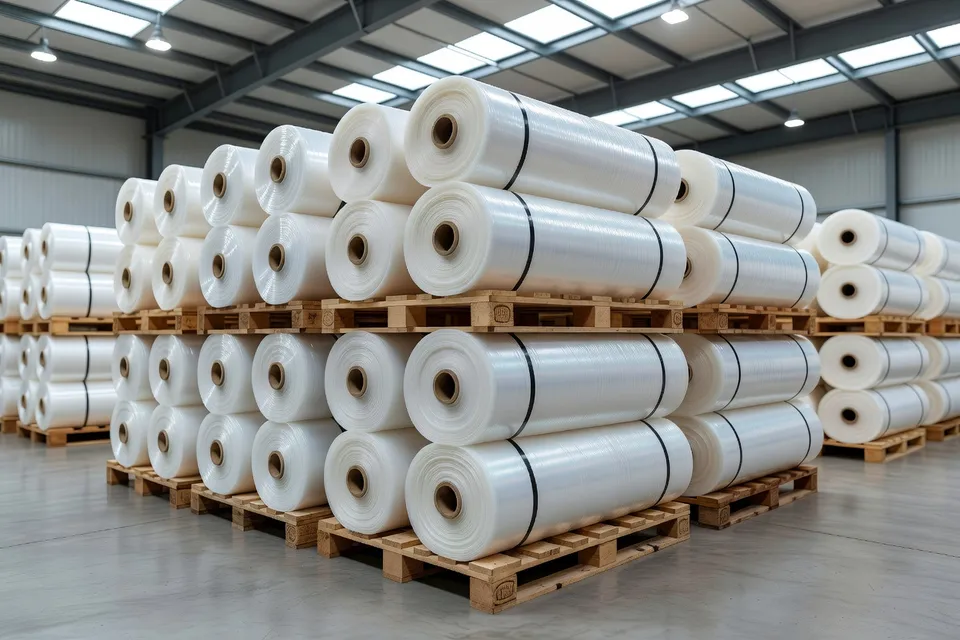
This blip higher came after a steep rundown from war‑driven peaks. Earlier in June, S&P Global had documented PE prices in Houston falling 276–408 USD/mt from mid‑April highs following demand destruction and aggressive Chinese offers into export markets. By July, renewed tension in the Middle East revived concerns about supply security and upstream costs, nudging sentiment—and assessed values—higher again.
That leaves PE buyers facing a whipsaw environment: structurally high inventories and muted end‑use demand argue for continued downward pressure, yet geopolitics can still inject short‑term firmness. In practice, processors interviewed for trade coverage are using this window to test shorter contract terms and to peel back volumes indexed directly to feedstock, opting instead for formulae that better reflect emerging spot discounts.
PP: Global Prices Slide as Feedstocks Ease and Demand Normalizes
While PE has seen both sharp declines and brief rebounds, PP’s mid‑2026 story is more consistently downward. IMARC data show July 2026 PP prices under clear pressure in every major region, with Northeast Asia down 14.1%, Europe down 24.4%, India down 12.5% and North America down 13.8% versus comparable recent periods.

Chemanalyst’s Q2 2026 commentary helps explain why North America in particular has seen such volatility. It reports a 59.76% rise in the PP Price Index quarter‑over‑quarter, with an average USD 1596/mt in the USA for the quarter, driven by monomer tightness and export constraints, before signaling a forecast of stabilization as demand weakens and consumer goods destocking sets in. As PGP prices eased into June and July, that earlier monomer‑driven spike gave way to the double‑digit cents‑per‑pound declines captured by Plastics Technology.
For PP processors—especially in packaging and automotive interiors—the operational implication is a rare opportunity to renegotiate surcharges that were rushed through during the spring rally. Some contract structures that passed through monomer moves on a near‑real‑time basis are now exposing buyers to downside, prompting discussions about floors and review clauses. At the same time, industry consultants caution that no one expects PP to revisit the lows of recent years, given the higher structural cost floor reflected in both US and international assessments.
PVC: Market Growth, but Flat‑to‑Down Spot Pricing in 2026
PVC sits at an interesting intersection of long‑term growth and short‑term price fatigue. Persistence Market Research pegs the global PVC market at USD 49.1 billion in 2026, with a forecast to USD 66.8 billion by 2033 at a 4.5% CAGR, led by construction, packaging and electrical uses. Volume‑based forecasts from other firms point to PVC demand rising from around the mid‑50‑million‑ton range in 2026 toward the high‑60‑million‑ton range by 2031.

Yet at the resin pricing level, 2026 has been anything but buoyant. Plastics Technology’s August 2026 update notes that PVC prices, after an 8–9¢/lb surge in March–April, stayed largely flat through May and June, with some suppliers even floating a June 4¢/lb hike that struggled to gain traction. Market commentary ties this plateau to lackluster construction demand and inventory build‑ups at producers, with expectations of a 2–3¢/lb decline in July–August.
For pipe extruders and profile producers, this “flat‑to‑down” pattern is easing some margin pressure after a series of 2025–early 2026 increases tied to feedstock and energy costs. However, the longer‑term growth outlook, especially in Asia, suggests that today’s mild relief is not a permanent reset; capital allocation decisions on new extrusion lines still assume a PVC cost curve biased modestly upward over the coming decade.
NBR: A 6.9% August Shock Highlights Rubber’s Different Cycle
While most commodity resins are easing or plateauing, nitrile butadiene rubber (NBR) went the other way in late summer. ChemAnalyst reports that US NBR prices jumped 6.9% in August 2026, driven by late‑summer restocking, tighter prompt availability and higher feedstock costs. Maintenance at MOL Petrochemicals, reduced acrylonitrile rates at Zhenhai and a shutdown at SIBUR’s ZapSibNeftekhim complex curtailed export‑able supply, tightening the balance into the US.
This move follows a seesaw pattern earlier in the year. ChemAnalyst’s broader NBR series had already noted a 28.25% quarter‑over‑quarter rise in the US NBR Price Index, underpinned by higher import parity and selective restocking. At the same time, assessments from other periods in 2026 describe phases where NBR prices eased as logistics normalized and sellers competed harder for orders.
For glove makers, hose manufacturers and automotive sealing suppliers, the August spike is a reminder that synthetic rubber chains can de‑couple from broader polyolefin trends. Many had shifted to lean inventories after earlier volatility, only to encounter constrained prompt supply when they moved to restock for autumn demand. A number of procurement managers now signal a willingness to carry slightly higher NBR safety stocks than they do for PE or PP, where supply options and substitution are broader.
"US NBR prices increased 6.9% in August 2026, as late‑summer restocking, tighter spot availability, and persistent feedstock cost pressure encouraged suppliers to raise offers." - Peter Jackson, market analyst at ChemAnalyst said
What It Means for 2026 Contract Strategy
Taken together, these mid‑2026 moves describe a market exiting an emergency phase and settling into a more familiar tug‑of‑war between supply, demand and geopolitics. Polyolefin buyers now have tangible evidence of corrections—double‑digit cent‑per‑pound drops in PE and PP and double‑digit percentage declines in global PP benchmarks—yet short‑term shocks such as the NBR spike and the July PE rebound in the Americas show how quickly sentiment can swing.
Processors and converters who spoke in recent trade coverage echo a few practical themes. They are:
- Shortening contract tenors where possible, especially for PE and PP, to capture downside while still securing base volumes.
- Rebalancing between contract and spot to avoid being trapped with high‑cost inventory when export and domestic spot levels fall.
- Reviewing surcharge mechanisms tied to feedstocks like PGP and benzene, which have shown sharp moves both up and down in 2026.
For brand owners and OEMs, the message is equally nuanced. Headline resin price relief is starting to appear in cost models, but the volatility evident in PE, PP and NBR this year argues against over‑optimistic budgeting. With PVC demand on a steady structural uptrend and geopolitical risk still hovering over energy and feedstock flows, 2026 is shaping up less as a return to “cheap resin” and more as a test of how agile procurement and pricing strategies really are.
Editorial Insights
- How should processors rethink contract structures when resin and rubber markets are moving in different directions at the same time?
- When polyolefins soften while select elastomers tighten, locking into uniform, long-dated deals across all materials becomes risky. Processors gain flexibility by decoupling contract terms by polymer family, shortening tenors where price corrections are evident, and reserving longer coverage for chains prone to abrupt supply shocks. Adding review clauses and asymmetric floors or collars allows buyers and sellers to share risk without hardwiring today’s anomalies into multi‑year pricing.
- What are the strategic risks of running very lean inventories in a market that is generally easing but still prone to sudden spikes?
- Lean inventories look attractive when prices trend lower, but they magnify exposure to short‑notice supply interruptions and localized tightness. In a mixed cycle, a single unplanned outage or logistics disruption in one chain can erase the savings from months of just‑in‑time buying. A more robust strategy differentiates safety stock by material criticality and substitution options, keeping slightly higher buffers in chains with fewer alternative suppliers or limited drop‑in replacements.
- How do structural growth expectations for major resins influence today’s investment decisions in processing capacity?
- Even when spot prices plateau or drift lower, multi‑year demand growth for bulk resins points to a gradual rise in the long‑term cost floor. Processors planning new lines or debottlenecks need to stress‑test projects against more expensive feedstocks and energy rather than anchoring on recent lows. That favors investments in more efficient, flexible assets that can run multiple grades or formulations and absorb higher input costs without eroding margins.
- In a period of resin price volatility, where are the most realistic efficiency gains for processors seeking to protect margins without sacrificing quality?
- With raw material curves shifting quickly, the most reliable gains often come from process and design efficiency rather than aggressive resin swapping. Tightening scrap control, optimizing cycle times, and re‑engineering parts for weight reduction can deliver recurring savings regardless of price direction. Where material changes are considered, structured validation programs and close collaboration with suppliers help avoid hidden costs in performance failures or warranty claims.
- How can procurement teams reconcile short‑term price relief with long‑term sustainability and regulatory pressures on plastics and rubber?
- Temporary resin discounts can tempt buyers to prioritize cost over longer‑term sustainability and compliance goals, but regulations on emissions, recycling and product stewardship are tightening. Procurement strategies that lock in lower‑carbon grades, recycled content options, or mass‑balance routes during downswings can hedge future policy and customer pressures. Over time, integrating environmental performance into sourcing criteria reduces the risk that cheap, high‑footprint materials become stranded in the face of new rules or brand commitments.
- What ethical considerations arise when volatility in essential materials feeds through to products used in safety, healthcare and basic infrastructure?
- When swings in resin and rubber costs filter into critical goods, there is a tension between preserving margins and ensuring consistent access and performance. Passing every spike downstream can degrade affordability, while over‑aggressive cost cutting can compromise quality in applications where failure has direct human consequences. A balanced approach recognizes certain segments as priority uses, where long‑term reliability and continuity of supply are treated as non‑negotiable, even if that means accepting thinner margins elsewhere in the portfolio.
References
- 1.IMARC Group. (2024, April 29). Polypropylene prices, trend, chart, demand, market analysis, news, historical and forecast data report 2026 edition. IMARC Group.
- 1.IMARC Group. (2026, August 13). Polypropylene prices, trend, chart, demand, market analysis, news, historical and forecast data report 2026 edition. IMARC Group.
- 2.Persistence Market Research. (2026, February 23). Polyvinyl chloride (PVC) market size & forecast, 2033. Persistence Market Research.
- 2.Persistence Market Research. (2026, August 31). Polyvinyl chloride (PVC) market size & forecast, 2033. Persistence Market Research.
- 3.Plastics Technology. (2026, August 26). August 2026: Commodity resin prices drop. Plastics Technology.
- 3.Plastics Technology. (2026, August 26). August 2026: commodity resin prices drop. Plastics Technology.
- 4.S&P Global. (2026, July 24). Americas' polyethylene prices rise, reversing downward trend on shifting sentiment. S&P Global.
- 4.S&P Global. Americas polyethylene prices rise, reversing downward trend on shifting sentiment. S&P Global.
- 5.ChemAnalyst. (2026, September 1). US NBR prices surge 6.9% in August as restocking tightens prompt availability. ChemAnalyst.
- 5.ChemAnalyst. US NBR prices surge 6.9% in August as restocking tightens. ChemAnalyst.