

2026–2027: A New Learning Infrastructure for Plastics and Rubber
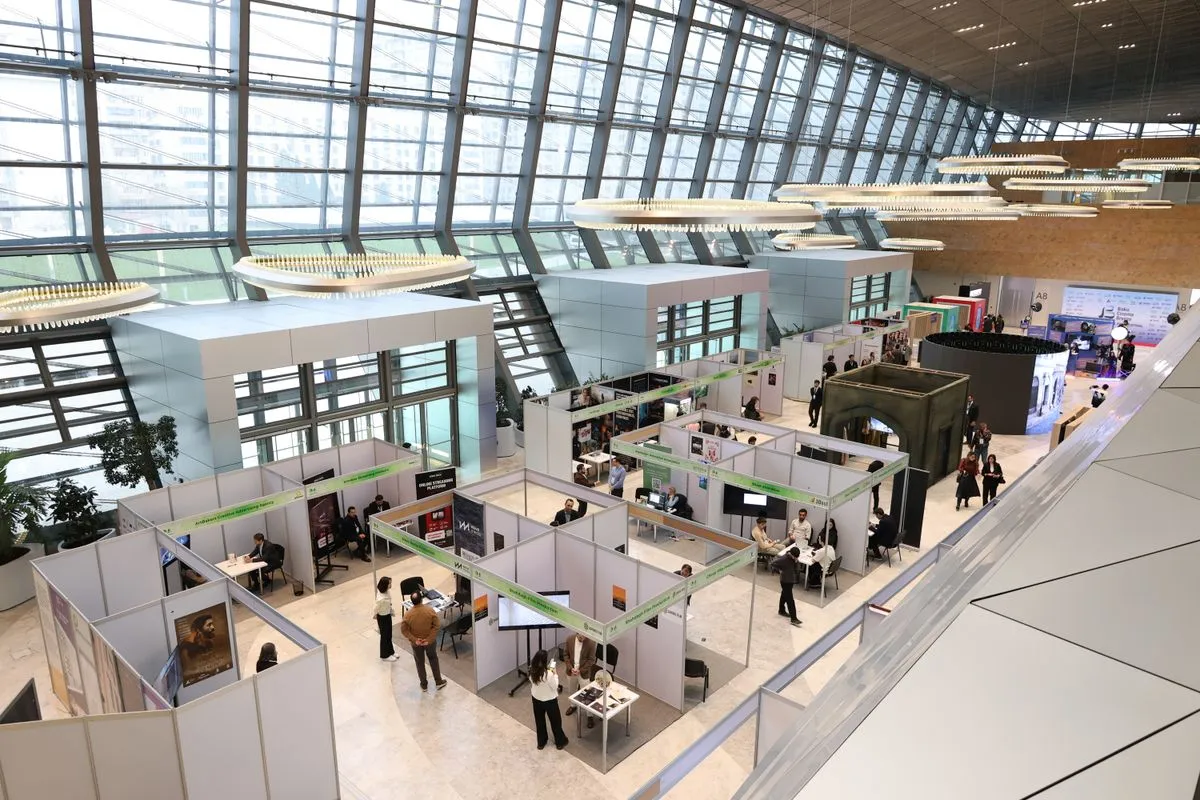
Walk the floor at any major plastics or rubber event in 2026, and a pattern jumps out: trade shows and conferences are no longer just deal-making venues, they are becoming the industry’s de facto training and strategy infrastructure.
Across extrusion, injection molding, chemical recycling, automation and elastomer technology, organizers are redesigning programs around concrete plant problems, regulatory pressure and workforce upskilling. That shift is giving processors, converters and suppliers a different kind of ROI on travel budgets: practical fixes, sharper investment priorities and a clearer view of where the business is heading.
Extrusion 2026: Troubleshooting Becomes the Main Attraction
In August 2026, Extrusion 2026 in downtown Austin puts this new mindset on full display. The two-day conference, developed by Plastics Technology editors, is explicitly built around troubleshooting and process optimization in film and sheet extrusion.
The agenda is organized into modules that read like a maintenance planner’s to‑do list: pellet preparation and conditioning (drying, conveying, blending, material handling), melt preparation and delivery, instrumentation, die design fundamentals, processing challenges in a sustainable world, troubleshooting in extrusion, and emerging technologies.
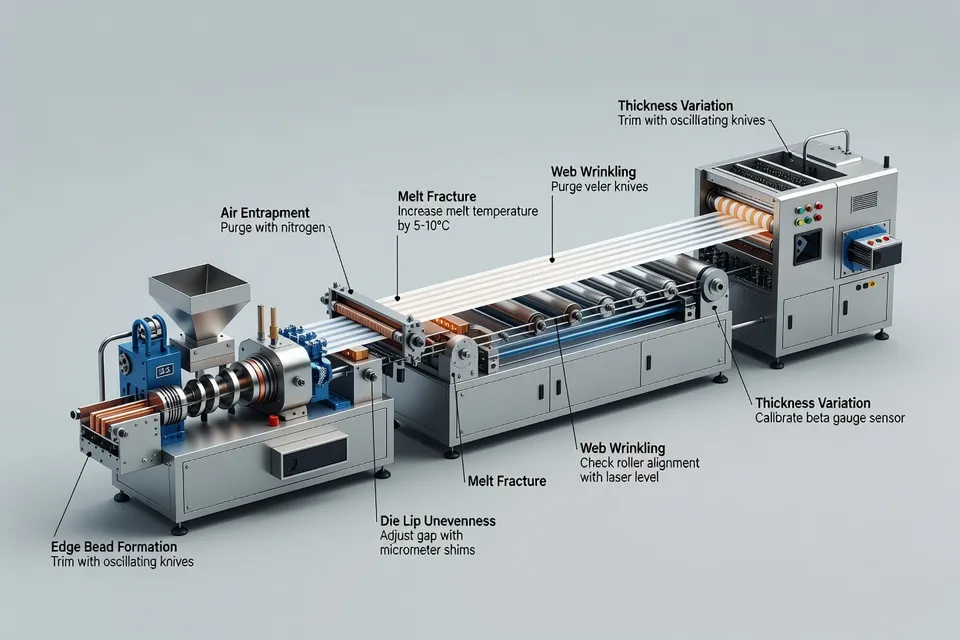
Day-by-day scheduling drills down into specific plant-floor issues. Sessions range from screw design to cut gels and black specks, to handling sheet and film regrind, to cast film die design and flow simulation for die optimization. On the second day, talks such as “Turning AI/ML Into Plant-Floor Action for Extrusion” move artificial intelligence firmly into the realm of practical controls and in‑line gauging rather than abstract theory.
For processors, this concentration of troubleshooting content means a short, targeted trip can address chronic defects—melt fracture, surging, gels—that otherwise burn time and material. For equipment and materials suppliers, it is an opportunity to position solutions not just as hardware or resin, but as part of a broader, data-driven process strategy.
Chemical Recycling Conferences: Turning Policy and Technology Into Strategy
On the sustainability front, the Future of Chemical Recycling Conference 2026 in Düsseldorf illustrates how conferences are now acting as navigation tools for regulation and investment.
The event, organized by ACI and promoted through PlasticsEurope’s network, is framed as a flagship platform to showcase the latest technological advances in chemical recycling and to map emerging trends in waste-material management. Sessions are designed to examine regulatory, technical and market conditions shaping commercial adoption across Europe—mass balance compliance, raw material sourcing, design for recyclability and downstream markets all sit on the agenda.
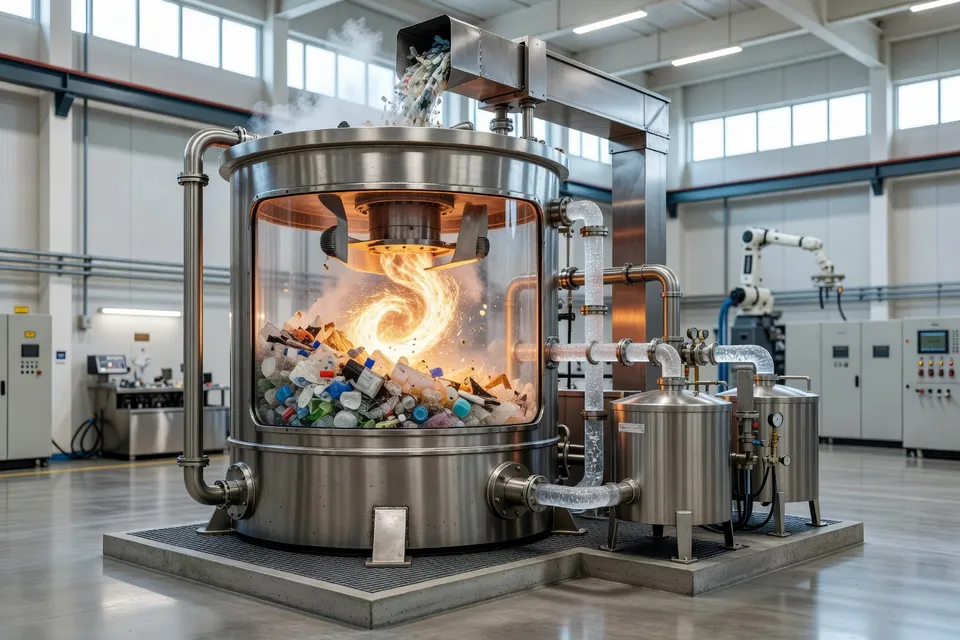
Fraunhofer UMSICHT’s participation, with institute leadership presenting current R&D approaches to improve plastics recyclability, signals that research centers now use these gatherings as direct extension points to industry rather than purely academic forums.
For brand owners and resin producers, the practical implication is clear: missing these events increasingly means missing early signals on which recycling technologies are credible, bankable and likely to pass policy scrutiny. Procurement and sustainability teams now treat these conferences as working sessions to refine supplier lists and feed into long-term capacity planning.
Automation in Zurich: Plastics Meet Industry 4.0 on Neutral Ground
Although all about automation Zurich 2026 is not plastics-specific, its role in the broader manufacturing context is hard to ignore. Held at Messe Zürich on 26–27 August 2026, the regional trade show brings automation users together with manufacturers, robotics providers, integrators and software firms focused on flexible automation and smart production in the age of Industry 4.0.
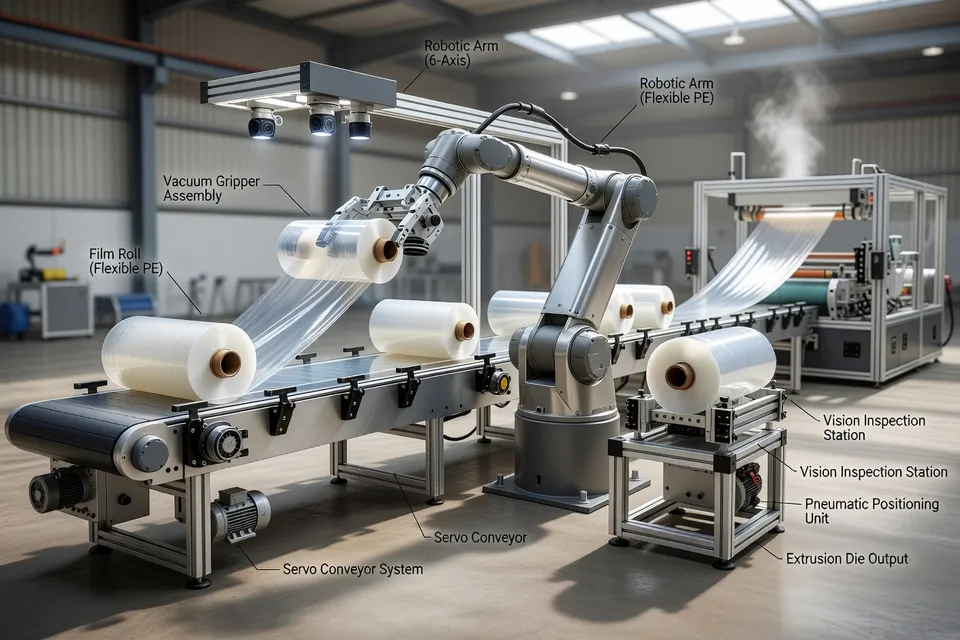
The concept is deliberately compact and regional, emphasizing personal exchange and hands‑on demonstrations of systems, components, software and engineering for industrial automation and communication. Exhibitors link the show with maintenance Schweiz, reflecting the convergence of automation, digitalization and plant reliability in one venue.
For plastics processors and rubber mixers in the Swiss and wider DACH region, this format offers something the mega‑shows often cannot: the ability to walk from a robot cell to a safety relay supplier to a MES vendor in a single hall and hash out integration details in their own language and regulatory context. It is a reminder that not every strategic conversation needs a global show; regional platforms are gaining clout as implementation hubs.
Rubber Division Training: Filling the Skills Gap Between Big Shows
Trade fairs can inspire, but sustaining change back at the plant requires training. Here, the Rubber Division, ACS is quietly building a year‑round spine of courses and webinars that complement the headline conferences.
Its dedicated training calendar for 2026 lists targeted offerings such as Advanced Reinforcements & Fillers, Sponge Rubber 101, Thermoplastic Elastomers – From Fundamentals…, gear pump technology in rubber applications, and introductions for employees with little prior knowledge of rubber or plastics manufacturing. Many of these courses run virtually or in hybrid formats, with continuing education units (CEUs) attached when attended live.
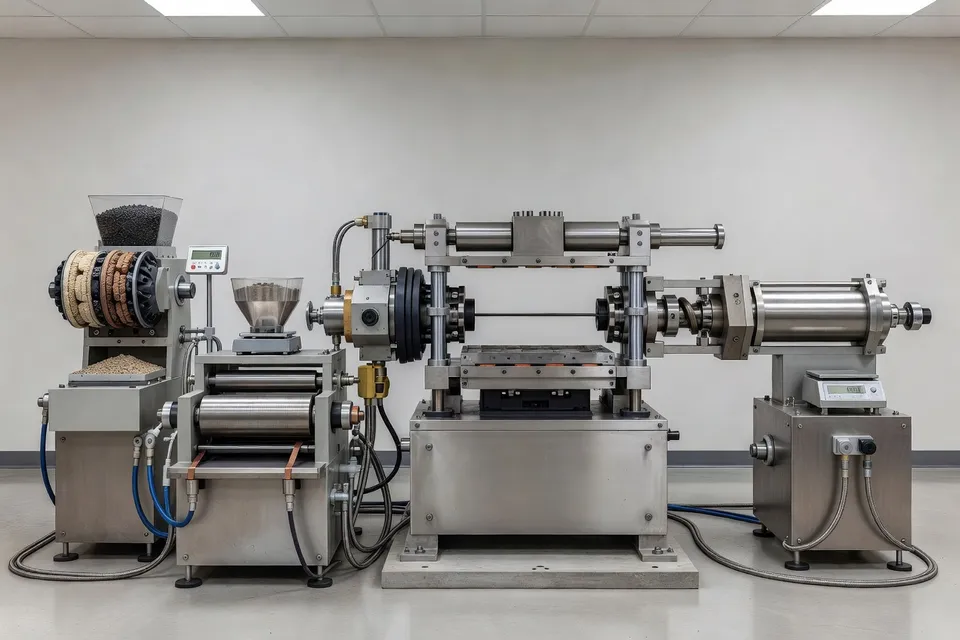
By packaging deep dives on fatigue thresholds in elastomers, tire material developments and rubber molding processes into structured course days, the Rubber Division effectively turns the months between major trade fairs into a rolling classroom.
"Rubber Division, ACS provides several rubber and elastomer education and training opportunities all throughout the year." - Rubber Division, ACS education team said
In practical terms, that means a compounder who hears about new mixing strategies at a global elastomer conference can send staff to a focused online course within weeks, rather than waiting for the next big in‑person meeting.
Global Flagship Shows: Scale as a Strategic Signal
Above this lattice of niche conferences and training sits a small group of global flagship shows: CHINAPLAS, NPE: The Plastics Show, K in Düsseldorf, and Fakuma in Friedrichshafen.
CHINAPLAS 2027 will return to Shenzhen World Exhibition & Convention Center (Bao’an) on 13–16 April 2027, with the show itself describing its role as the world’s leading plastics and rubber trade fair and a distinguished business platform built over more than 40 years. Recent editions in Shanghai have underlined its status as Asia’s number one industry meeting, with annual rotation between Shenzhen and Shanghai.
In the Americas, NPE2027 is positioned as the largest plastics trade show in the region. Organizers highlight more than 1 million square feet of exhibit space, over 2,000 exhibiting companies, and a three‑year cycle that draws tens of thousands of leaders, creative thinkers and visionaries from across industries. That scale signals where machinery makers and material suppliers will unveil step‑change technologies—multi‑component presses, advanced automation cells, and new resin families—before they trickle down to regional events.
Europe’s anchor shows follow a similar pattern. K 2025 again occupies the Düsseldorf fairgrounds in October, promoted explicitly as “the world’s No. 1 trade fair for plastics and rubber,” with visitors and exhibitors spanning machinery, equipment, raw materials and measuring technology. Fakuma 2026, scheduled for 12–16 October 2026 at Messe Friedrichshafen, positions itself as an international meeting place with strong emphasis on practical injection molding, extrusion, thermoforming and 3D printing for industrial plastics processing.
For processors and converters, the strategic reading of this calendar is straightforward: new platform technologies and long‑term regulatory narratives tend to break at CHINAPLAS, NPE and K, while implementation know‑how, process troubleshooting and training are increasingly concentrated at focused conferences like Extrusion 2026, the Future of Chemical Recycling, all about automation Zurich and Rubber Division’s course catalog.
How Companies Are Rebalancing Their Event Portfolios
Taken together, this ecosystem is changing how companies plan their event portfolios. Rather than betting everything on a single massive show every three years, many plastics and rubber businesses now split their resources:
- Flagship shows (CHINAPLAS, NPE, K, Fakuma) for scouting disruptive machinery, meeting global customers and setting multi‑year technology roadmaps.
- Topical conferences (Extrusion 2026, Future of Chemical Recycling) for sharpening process strategies, aligning with emerging regulation and benchmarking against peers.
- Regional automation fairs (all about automation Zurich) for hands‑on integration work across robotics, controls and digitalization.
- Structured training programs (Rubber Division courses and webinars) to make sure plant teams can actually implement what management decides.
The result is an event landscape that feels more like an ongoing curriculum than a sporadic parade of exhibitions. For an industry under pressure from decarbonization, labor scarcity and rapid technology cycles, that evolution may be the most important innovation of all.
Editorial Insights
- How should plastics and rubber companies rethink the strategic role of events in their technology and skills roadmap?
- Events are increasingly functioning as a continuous learning architecture rather than one-off marketing moments, so companies need to map them directly onto their technology, regulatory and workforce plans. That means using large shows to track long-term platform shifts, targeted conferences to solve concrete process problems, and structured training programs to translate new ideas into day-to-day plant capability. The event calendar becomes an extension of the annual capex, productivity and skills strategy rather than a discretionary travel list.
- What are the sustainability implications of treating conferences as navigation tools for regulation and recycling technologies?
- When events become working forums for policy interpretation and technology vetting, they accelerate alignment between commercial decisions and environmental regulation. This helps companies distinguish between recyclable rhetoric and genuinely scalable solutions, reducing the risk of stranded assets and greenwashing. It also shortens the feedback loop between R&D, design for recyclability and downstream markets, which is essential for building credible circular-economy business models.
- From a business strategy standpoint, how does splitting budgets across flagship shows, topical conferences and training affect ROI?
- Diversifying event spend tends to convert travel and exhibition budgets into a mix of long-horizon scouting and near-term performance gains. Flagship shows inform major capital and partnership decisions, while specialized conferences and courses can quickly reduce scrap, downtime and compliance risk. The net effect is a more measurable ROI, with high-profile inspiration balanced by targeted improvements that show up in plant KPIs and margin resilience.
- Why are regional automation fairs becoming critical for implementing Industry 4.0 in plastics and rubber plants?
- Regional automation events provide a scale and context where processors can directly align robots, safety, software and data requirements with local regulations, languages and supply chains. Unlike global shows, they encourage detailed integration discussions between multiple vendors in a single hall, making it easier to move from conceptual digitalization to practical, plant-specific deployments. For companies wrestling with labor constraints and reliability, this is where Industry 4.0 becomes executable rather than aspirational.
- How do year‑round training programs change the ethics and risk profile of operating complex processing plants?
- Ongoing, structured training makes it harder to justify running lines with underqualified staff or outdated knowledge, raising the bar on safety, quality and environmental responsibility. By turning advanced topics into accessible courses, these programs help close the skills gap created by retirements and rapid technology turnover, reducing the likelihood of preventable incidents and chronic waste. Ethically, it shifts the narrative from blaming operators to investing systematically in their competence.
- How might the general public ultimately be affected by this shift toward an ‘ongoing curriculum’ in industry events?
- As companies use events and training as a continuous curriculum, the result should be more stable quality, safer products and faster adoption of cleaner technologies across consumer and industrial applications. Better-informed decisions on materials, recycling routes and automation can reduce waste and energy use, even if the public never sees the event calendar behind those changes. In the long run, this learning infrastructure influences what ends up on store shelves, in infrastructure projects and in waste streams.
References
- 1.SPE. 2026 Injection Molding Innovation Summit. SPE.
- 2.All About Automation. all about automation in Zurich: 26 + 27 August 2026. All About Automation.
- 3.Plastics Europe. Future of Chemical Recycling Conference 2026. Plastics Europe.
- 4.Rubber Division, ACS. Events from August 7 – September 12 › Training ›. Rubber Division, ACS.
- 5.Extrusion Conference. Agenda - Extrusion Conference. Extrusion Conference.
- 6.Plastics Technology. Extrusion 2026 registration opens. Plastics Technology.
- 7.NPE: The Plastics Show. NPE: The Plastics Show. NPE: The Plastics Show.
- 8.CHINAPLAS. CHINAPLAS 2027 - The world's leading plastics & rubber trade fair. CHINAPLAS.
- 9.K. K 2028 - World's No. 1 trade fair for plastics & rubber. K.
- 10.Fakuma. Fakuma – International trade fair for plastics processing. Fakuma.