


Process control, not a new press
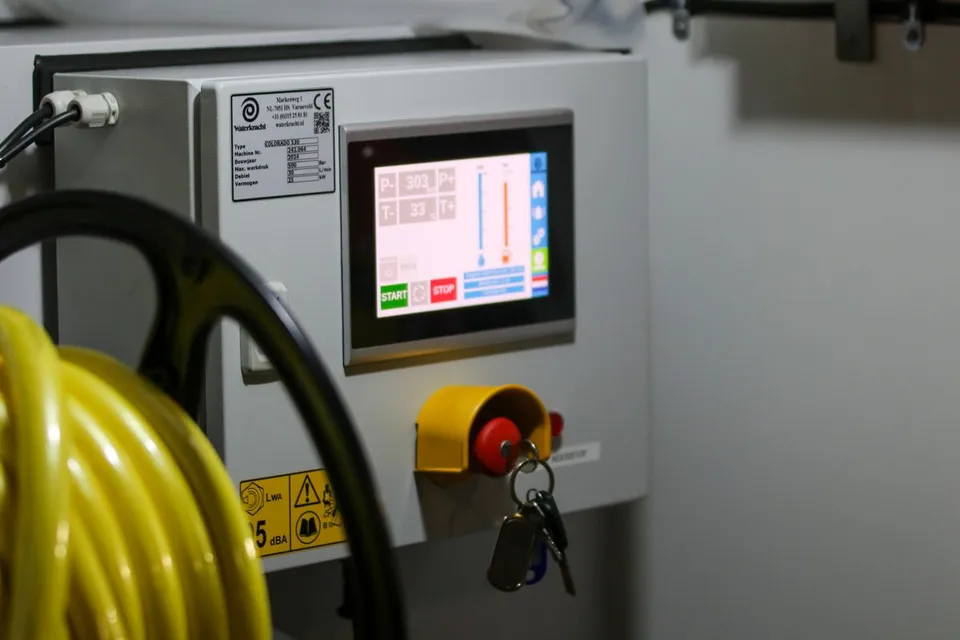
A case study from Gud Mould says nearly one-third of products were approaching the upper tolerance limit, creating an immediate risk of batch rejection and scrap. The point is familiar to processors: a line can run while still drifting toward failure, and the warning signs often show up in the data before they show up on the floor.
What the case study highlights
Gud Mould’s adjustment case centers on the practical side of molding stability: watching where parts sit against tolerance, then correcting the process before a weak run becomes a rejected lot. That matters because injection molding defects are rarely isolated events. They usually reflect a process window that has narrowed, moved, or been set too close to the edge.
The company’s other technical material reinforces that view. Its defect guides describe scrap as the result of mismatches among raw materials, machine capability, mold condition, drying, temperature, injection speed, hold pressure, and venting. In other words, defect reduction starts with comparing actual operating data against set values, not with guesswork at the machine.
Why small process shifts matter
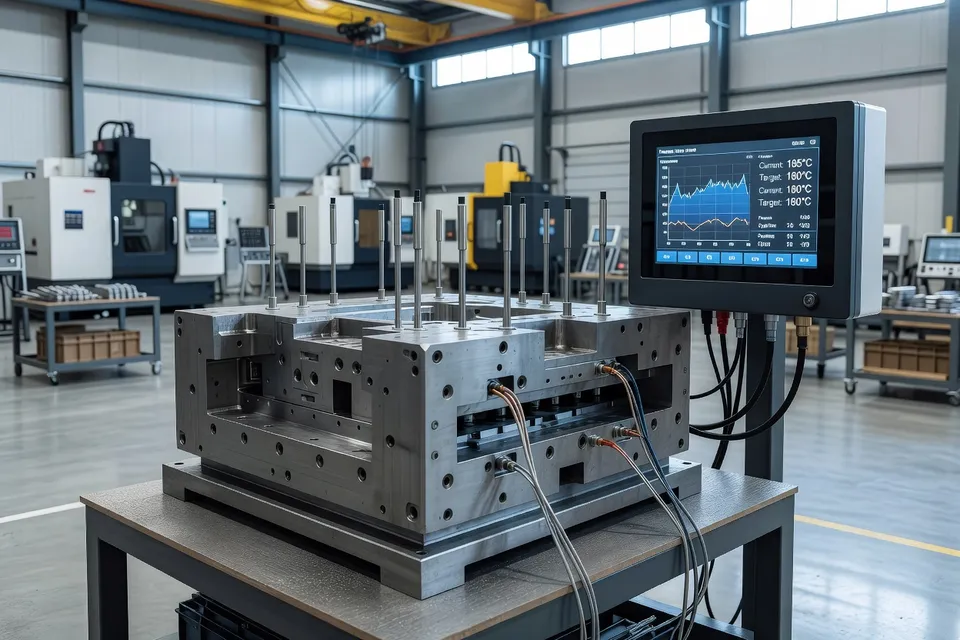
Gud Mould’s defect analysis notes that quality is only assured within a certain processing window, and that scrap grows when the process moves outside that range. It also says operators should first check the molding machine and mold condition, confirm temperature, verify drying, and compare real readings with the set points. That is standard shop-floor discipline, but it is also where a lot of scrap prevention lives.
For converters, the commercial implication is direct. Parts that are hovering near the upper tolerance limit can force conservative handling downstream, trigger more inspection, or become batch rejects if the drift continues. When a shop can see the trend early, it can often respond with pressure, temperature, drying, or mold-side changes before the lot becomes unrecoverable.
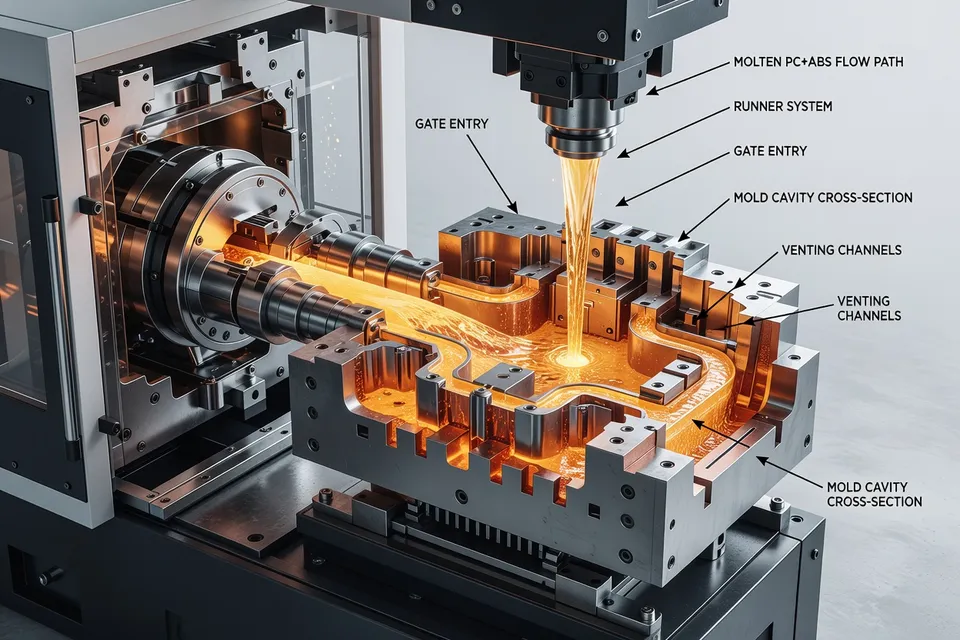
The short-shot case published by J-Mold shows the same logic from the opposite direction. In PC+ABS, the article says low mold temperature can reduce melt fluidity, while insufficient holding pressure or holding time can leave areas underpacked. Its recommended response is to raise mold temperature into the 70–90°C range, use high-speed filling, and tune hold pressure and time so the cavity fills before the melt freezes off. That is a process fix, not a tooling rebuild, and it is the kind of intervention that can keep marginal parts from becoming scrap.
Data discipline on the plant floor
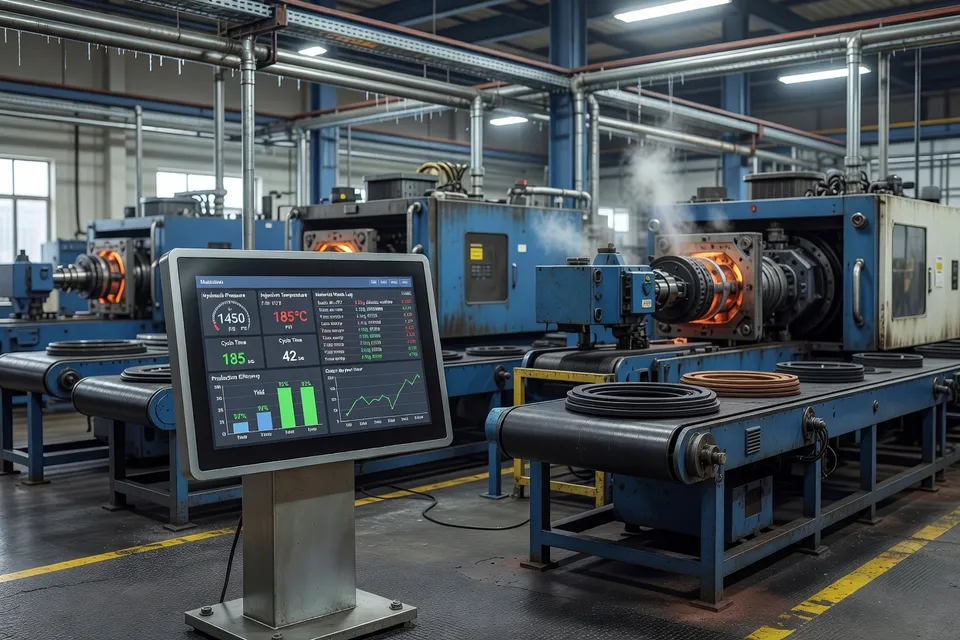
A separate Arkitekt AI case study describes a plastics processor that kept process data in the presses, QC data in one Excel file, and scrap and downtime in a third workbook. The company wanted one answer: when scrap rises, tell me why while the job is still running. The system that was built tied shot-level machine data to QC and scrap records, then surfaced alerts for scrap rate over threshold and cycle-time drift.
The operational lesson is consistent with the molding case work. If process data, quality checks, and scrap records do not line up, the plant ends up debating whose spreadsheet to trust instead of correcting the press. When those records are tied to the live job, the team can see whether the issue is in the fill stage, packing stage, cooling, drying, or a tool-specific pairing that should not be running together.
What processors can copy
For molders trying to reduce defects and scrap, the sources point to a simple playbook. Watch tolerance drift, not just final rejects. Compare actual machine and mold readings with set values. Confirm drying and temperature before changing the tool. For short shots, check mold temperature, injection speed, and holding conditions first, because those settings can restore fill without major hardware changes.
The plant-level payoff is less about a single rescue and more about repeatability. Once the process window is visible and the data is connected, a shop can catch the same defect earlier on the next job, rather than rediscovering it through scrap reports at the end of the shift.
Editorial Insights
- Why do molding defects often show up in the data before they become visible on the floor?
- Because most defects begin as process drift rather than sudden failures. When key parameters move toward the edge of the process window, parts can still be produced, but the risk of out-of-tolerance dimensions, underpacking, or other quality loss rises quickly.
- What is the business value of correcting a process before parts are rejected?
- The main value is avoiding compounded loss: scrap, rework, inspection burden, and downstream disruption. Early correction protects margin because a marginal run can often be stabilized with process adjustments instead of being written off as a failed lot.
- What does a stable process window really mean in injection molding?
- It means the combination of temperature, pressure, drying, fill speed, hold conditions, and mold condition is wide enough to absorb normal variation without pushing parts out of spec. Once that window narrows, even small shifts can trigger defects that would not appear in a better-controlled process.
- Why is linking machine data, quality checks, and scrap records so important?
- Because isolated records make it hard to tell whether scrap came from the press, the mold, the material, or a handling issue. When the data is connected at the shot or job level, trends become visible fast enough to support action while the job is still running.
- How does a data-driven approach change the way plants think about scrap reduction?
- It shifts scrap reduction from reactive cleanup to continuous process control. Instead of waiting for failed parts to pile up, teams can watch drift, identify recurring signatures, and correct the same fault earlier on future jobs.
- What wider operational lesson do these molding cases point to for the industry?
- They show that many quality gains come from discipline, not major capital spending. Better monitoring, tighter parameter control, and faster response to drift can improve repeatability, reduce waste, and make existing equipment perform closer to its true capability.
References
- 1.Gud Mould Industry Limited. (2026, July 15). Injection molding machine adjustment case study. Gud Mould Industry Limited.
- 2.McClendon, A. (2026, August 26). Case study: A plastics processor whose quality data lived in three spreadsheets. Arkitekt AI.
- 3.J-Mold. (2026, August 28). Analysis and countermeasures for short shots in injection molding – a case study of PC+ABS. J-Mold.
- 4.McClendon, A. (2026, August 26). Case study: A plastics processor whose quality data lived in three spreadsheets. Arkitekt AI.