


Bio-recycling steps out of the lab
For years, both bioplastics and textile-grade PET have been treated as outliers in mainstream recycling systems. In 2026, ReBioCycle and Carbios are beginning to change that narrative, pushing bio-recycling from research concept toward commercial pathway for converters, recyclers and brand owners.
ReBioCycle: closing the loop on bioplastics
The EU-funded ReBioCycle project is framed as a new European blueprint for circular bioplastics upcycling, with a four-year timeline from October 2024 to September 2028 and hubs in the Netherlands, Italy and Spain. Its core objective is straightforward but technically demanding: prove that leading biobased, biodegradable polymers such as PLA and PHA, along with Mater-Bi composites, can be sorted, recycled and reintroduced as equal- or higher-grade materials rather than contaminants in mixed waste streams.
ReBioCycle’s blueprint is built around three waste-processor-centric hubs, each dedicated to different technology families and readiness levels. In the Netherlands, a chemical-recycling hub is scaling TORWASH technology to TRL 6, targeting at least one cubic meter of clean monomer solution from 500 kilograms each of PLA and PHA.
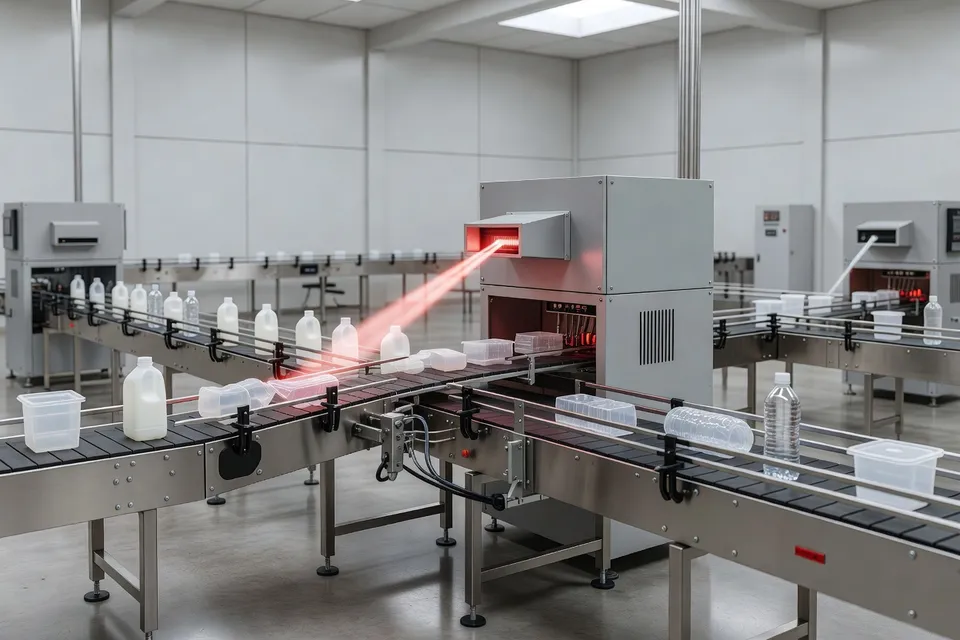
In Italy, a hub led by Novamont pushes chemical technology to TRL 7, working on 600 kilograms of mixed bioplastic composites including Mater-Bi and blending incoming PHA streams into new Mater-Bi formulations.
Spain’s hub adds enzymatic, microbial and mechanical routes. Partners there are bringing enzymatic recycling to TRL 6 with 50 kilograms of output in 200‑liter reactors and microbial, fermentation-based routes to TRL 7, aiming to produce around 100 kilograms of recycled PHA grades such as PHBV and PHBHx, plus an additional 20 kilograms of rPHBV. These streams are complemented by mechanical upgrades designed to recycle roughly 250 kilograms of bioplastics at TRL 7, all demonstrated in an operational sorting plant environment.
The consortium is not just chasing tonnage. Brand owners including ARAPAHA and Sulapac are involved to validate that recycled PLA, PHA and Mater-Bi composites can be converted into durable and multi-use packaging with industrial-grade specifications. Life cycle assessment and dissemination work by partners such as ARCHA and European Bioplastics are intended to translate technical results into policy and market signals, positioning biobased biodegradable plastics as legitimate feedstock in European recycling streams rather than a problem material.
A recent project update highlights the practical impact for packaging: ReBioCycle has demonstrated closed-loop recycling of PLA bioplastics from mixed plastic waste back to virgin-quality material, using existing sorting technology to separate PLA, chemically depolymerizing it to lactic acid, and rebuilding it into high-quality PLA with properties equivalent to virgin resin.
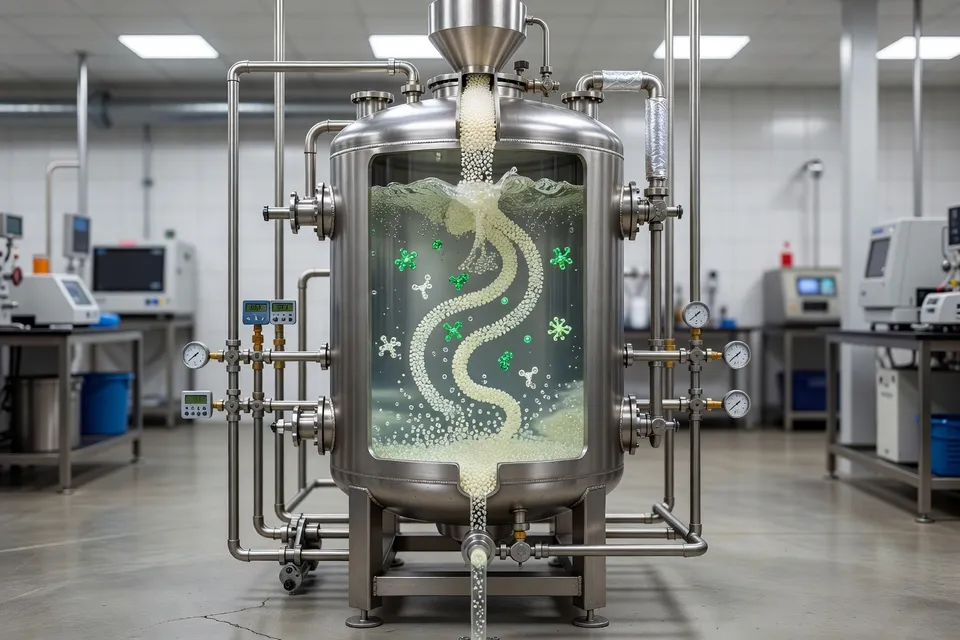
For processors, that proof-of-concept matters as much as the chemistry. It shows PLA can be handled inside mixed-plastics infrastructure without sacrificing quality, opening the door to dedicated PLA loops in regions where composting alone has dominated the end-of-life discussion.
"ReBioCycle will scale up and demonstrate biobased biodegradable plastics recycling technologies, thus demonstrating that end-of-life biobased biodegradable plastics can be used in the circular bioeconomy." - Prof. Kevin O’Connor, ReBioCycle Coordinator at University College Dublin said
The practical implications are clear on the exhibition floor. Converters working with PLA and PHA in rigid packaging, films or molded parts have long worried that bioplastics would complicate mechanical recycling streams. ReBioCycle’s hub-based model suggests a different scenario: near‑infrared sorting libraries for bioplastics, combined with chemical and biological upcycling, give recyclers a route to treat biobased materials as premium feedstock. That, in turn, could justify dedicated bioplastic fractions in material recovery facilities, especially where EU Packaging and Packaging Waste Regulation (PPWR) recyclability and recycled-content obligations from August 2026 make every additional ton of acceptable recyclate more valuable.
Carbios: fiber-to-fiber bio-recycling for PET textiles
While ReBioCycle targets bioplastics, Carbios is working at the other end of the value chain: PET-based fibers. The company has developed an enzymatic recycling process designed to take polyester textiles and convert them back into monomers, enabling fiber-to-fiber bio-recycling for garments and industrial fabrics where mechanical recycling often leads to downcycling or landfill.
According to a mid‑2026 update, Carbios is now moving from demonstration to commercialization for this textile-focused bio-recycling route, positioning its enzymatic depolymerization as a complementary stream to bottle‑grade PET recycling.
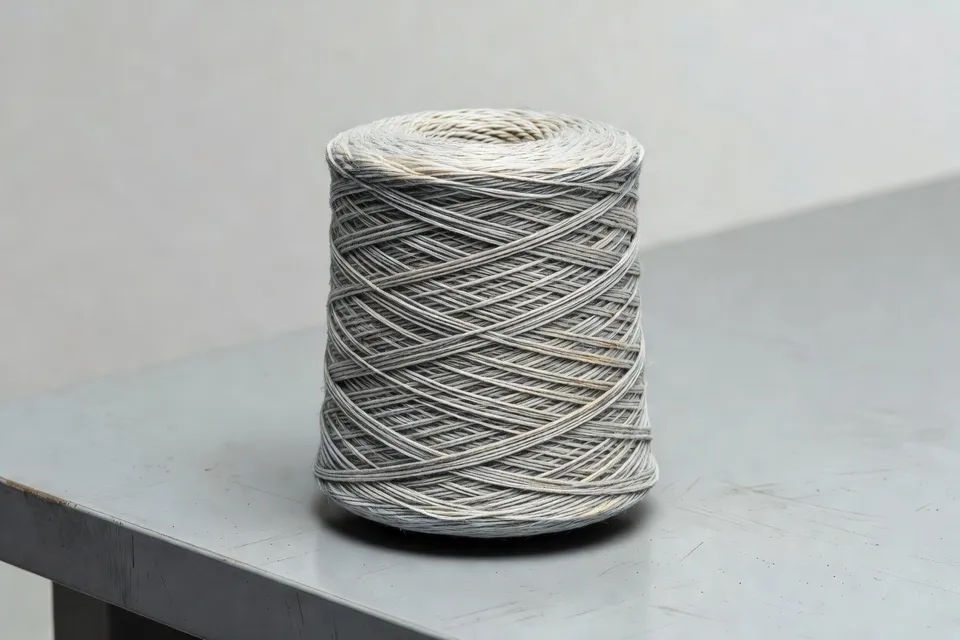
The process breaks PET chains in polyester fibers down into their original building blocks, which can be repolymerized into new fibers with performance comparable to virgin material.
For brands and converters, the fiber-to-fiber angle is decisive. Apparel and technical textile suppliers have struggled to meet recycled-content pledges using only bottle-derived rPET, especially as PPWR introduces binding recycled-content thresholds for plastic packaging categories and brand owners compete for limited high-quality feedstock. Carbios’ route theoretically adds a new supply lane: post‑consumer textiles, sorted and processed through enzymatic recycling, could supply PET monomers without relying on bottle streams.
In practical terms, this reshapes conversations in both textile and packaging halls. Yarn producers and fabric coaters see a pathway to decouple part of their recycled PET sourcing from bottle competitors, while film converters and thermoformers supplying brand owners into EU markets are watching closely for implications on price and availability. If textile-derived PET monomer becomes reliable at industrial scale, it could ease pressure on bottle-grade rPET pricing and broaden the pool of circular PET available for high-barrier packaging.
Commercial and policy pressure: why timing matters
The timing of both initiatives is not coincidental. EU PPWR, entering into application from August 2026, requires all packaging placed on the EU market to be recyclable by 2030 and introduces recycled-content thresholds for plastic formats, with ranges between 30% and 65% depending on category. At the same time, Extended Producer Responsibility schemes are spreading across European and North American jurisdictions, turning recyclability and recycled-content into compliance conditions rather than optional marketing claims.
Against that backdrop, bioplastics and textiles would remain marginal without credible recycling routes and clear performance data. ReBioCycle directly addresses recycler scepticism by showing that PLA, PHA and Mater-Bi composites can be separated, processed and returned as industrial-grade polymers. Carbios, by focusing on fiber-to-fiber PET, targets an area where conventional infrastructure struggles and where recycled-content mandates in apparel and soft signage are starting to mirror those in packaging.
For processors, several operational implications stand out:
- Specification discipline: ReBioCycle’s work with brand owners on industrial specifications means converters adopting recycled bioplastics will need tighter material characterization and process windows, but in return gain access to higher-value, certified circular grades.
- Sorting investments: The ReBioCycle hubs rely on near‑infrared and adapted sorting schemes to pull bioplastics out of mixed waste. Facilities that install similar systems can tap into emerging bioplastic streams instead of rejecting them as contamination.
- Contract structures: Carbios’ commercialization push will likely be underpinned by long-term offtake agreements for recycled PET monomers, echoing how major packaging groups are locking multi-year resin contracts under state and EU recycled-content rules.
What it means inside the plant
Walking the halls with processors in 2026, the mood around bio-recycling is shifting from curiosity to risk calculation. Injection molders running PLA for premium packaging are asking whether they can credibly claim closed-loop potential when bidding on new work. Film extruders supplying EU markets are weighing how biobased, chemically recycled grades fit into PPWR design-for-recycling guidance. Textile coaters eye Carbios’ fiber-to-fiber route as a possible hedge against volatile rPET pricing.
None of these routes are yet at full commercial scale, and both projects still sit inside structured EU innovation frameworks. But the direction of travel is clear: bioplastics and PET fibers are being pulled into the same circular economy architecture that is already reshaping rigid packaging and bottles. For processors, converters and recyclers, engaging early with ReBioCycle-style hubs and Carbios’ industrial partnerships looks less like a science project and more like groundwork for staying competitive under the next wave of recycled-content regulation.
Editorial Insights
- How does bio-recycling fundamentally change the way processors should think about bioplastics and PET fibers in their long-term material strategies?
- Bio-recycling shifts bioplastics and PET fibers from being tolerated outliers to planned feedstock streams with defined quality profiles and circular pathways. Instead of treating these materials as risk factors for contamination, processors can start to view them as contract-backed, specification-controlled inputs that support recycled-content compliance and differentiation in high-value applications. The practical implication is that material strategies need to incorporate dedicated sorting, depolymerization and requalification routes, rather than relying solely on conventional mechanical recycling or single-use end-of-life assumptions.
- What are the main operational challenges recyclers face when integrating bioplastics and textile-grade PET into existing sorting and processing lines?
- The core challenges are identification, segregation and consistent output quality. Near‑infrared systems and adapted sorting libraries must reliably distinguish biobased polymers and textile-rich streams from conventional packaging plastics, often in plants originally designed around bottles and rigid containers. Once separated, chemical and enzymatic routes demand tighter process control and more sophisticated analytical verification than classic grinding and washing. Recyclers that successfully manage these steps can unlock higher-value monomer and polymer outputs, but they need to invest in both hardware and competency to avoid mixed-grade, low-value recyclate.
- In what ways could emerging bio-recycling routes influence pricing and availability of recycled polymers for packaging and textiles?
- By opening additional supply lanes, bio-recycling can reduce the current dependence on a narrow set of waste streams and ease competition for high-quality recyclate. Textile-to-monomer routes, for example, create an alternative source of PET feedstock that can complement bottle-derived material, potentially stabilizing prices and improving availability for both films and fibers. Similarly, dedicated bioplastic loops convert what was previously treated as contamination into premium circular grades, expanding the pool of acceptable recyclate that meets performance and regulatory requirements. Over time, this diversification can make recycled content less exposed to single-stream volatility.
- How do tightening recyclability and recycled-content rules reshape the business case for investing in bio-recycling technologies?
- As recyclability and recycled-content shift from voluntary commitments to binding requirements, the value of every additional ton of compliant recyclate increases sharply. Investments in bio-recycling technologies become less about innovation signalling and more about securing future access to qualified feedstock under defined regulatory thresholds. Facilities that can demonstrate credible closed-loop pathways for bioplastics and textiles are better positioned to win supply contracts, negotiate long-term offtake agreements, and avoid penalties or market exclusion. In this environment, early adoption of bio-recycling is effectively a hedge against regulatory risk and feedstock scarcity.
- What ethical and reputational considerations arise as converters promote bio-based materials that now have plausible recycling routes?
- Once credible recycling pathways exist, simply marketing materials as “bio-based” or “biodegradable” without clarifying end‑of‑life options becomes harder to defend. Converters will be expected to design products that can realistically enter these recycling streams and to substantiate closed-loop claims with data, not aspirational language. Ethically, this means aligning material choices, packaging formats and contract structures with infrastructure that can actually recover and upgrade the polymers. Reputationally, companies that treat bio-recycling as integral to product design rather than an afterthought are more likely to be seen as serious actors in the circular economy.
- How might bio-recycling of packaging and textiles affect public expectations about the circular economy and waste systems?
- As packaging and textiles with demonstrable bio-recycling routes enter the market, public expectations are likely to move beyond simplistic recyclability claims toward questions about actual recovery performance. Consumers may increasingly assume that biobased and fiber products are not only technically recyclable, but supported by real infrastructure that keeps materials in circulation rather than shifting burden to landfills or incineration. This raises the bar for transparency around collection, sorting and conversion rates, and could pressure local waste systems to adapt more quickly, especially where current practices still treat these streams as residual waste.
References
- 1.ReBioCycle. (2026, September 1). ReBioCycle – A new European blueprint for circular bioplastics upcycling solutions. ReBioCycle.
- 2.Adsale Plastics Network. (2026, July 29). Carbios to commercialize fiber-to-fiber bio-recycling process. Adsale Plastics Network.
- 3.European Rubber Journal. (2026, August 19). EU-backed project targets food waste for bio-based rubber. European Rubber Journal.
- 4.Resource Recycling. (2026, August 31). EFS-plastics invests as EPR takes shape. Resource Recycling.
- 5.Continental. (2026, July 2). Wind and Sun for Tire Production in Korbach. Continental.
- 6.Resource Recycling. (2026, August 25). Building demand for recycled flexibles. Resource Recycling.