

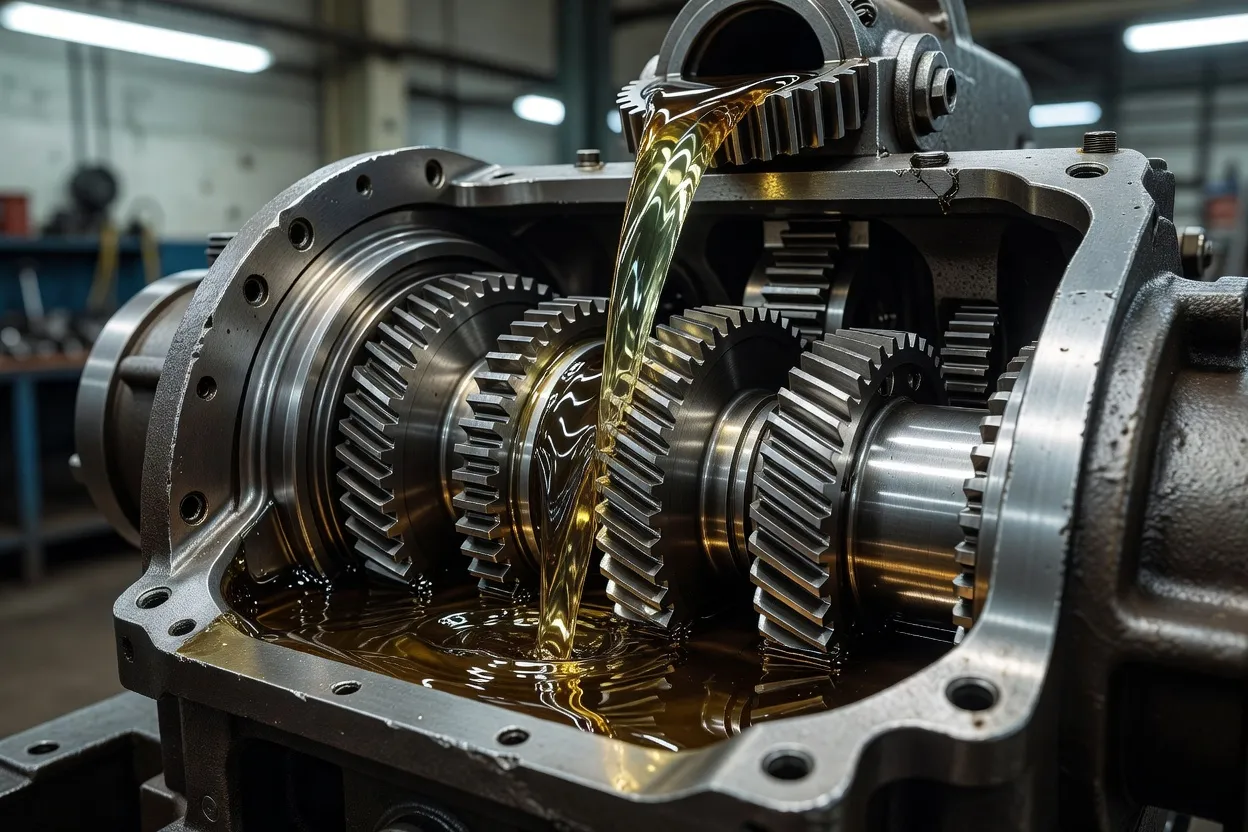
PVC’s waste problem meets lubricant market pressure
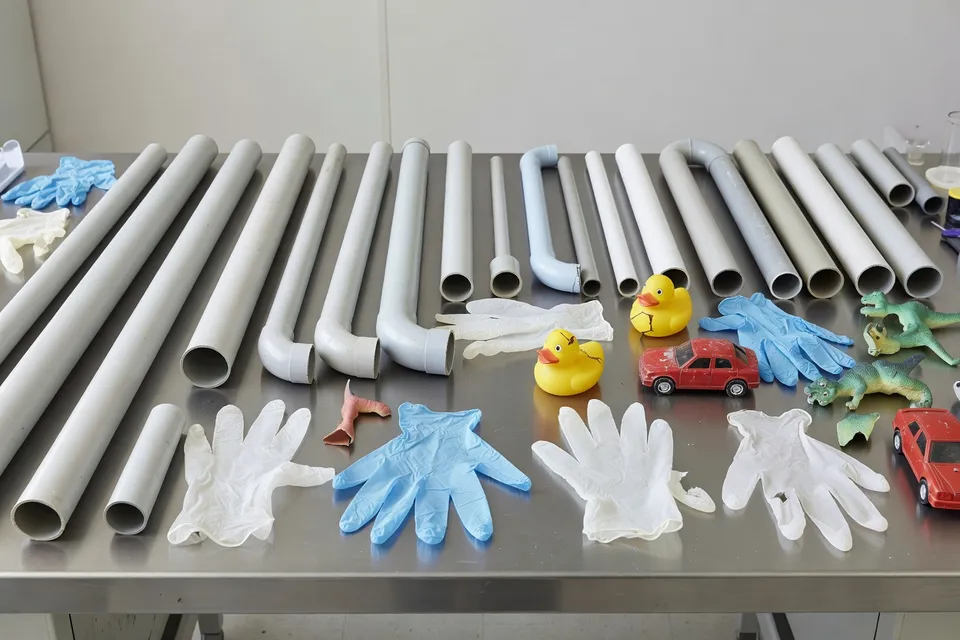
Polyvinyl chloride (PVC) is one of the world’s workhorse plastics, entrenched in pipes, window frames, cable insulation, flooring, gloves, toys and credit cards. Yet less than 1% of PVC is recycled globally, leaving millions of tonnes to accumulate in landfills and incinerators each year. At the same time, demand for premium synthetic base oils for engine and industrial lubricants continues to climb, with formulators chasing higher viscosity index, lower friction and better durability at elevated temperatures.
In August 2026, a multidisciplinary team led by Guoliang "Greg" Liu at Virginia Tech reported in Nature that those two challenges can be tackled together: PVC waste can be upcycled into vinyl-derived polyalphaolefin (vPAO) lubricants that match – and in some metrics exceed – the performance of commercial synthetic oils.
Inside the chemistry: from pipes to polyalphaolefin
PVC’s poor recyclability stems from its high chlorine content and complex additive packages. Conventional approaches that rely on melting and mechanical reprocessing struggle with degradation, hydrochloric acid release and contamination. Liu’s group reframed that chemistry as an opportunity rather than a liability.
The process begins with real-world PVC waste – powders derived from pipes, gloves, credit cards and toys – dissolved in a solvent. Aluminum trichloride (AlCl₃) is introduced as a Lewis acid catalyst alongside alpha-olefins, hydrocarbon molecules already central to conventional PAO manufacture. This mixture is then heated to about 70 °C (158 °F) for three hours, a temperature closer to a hot cup of coffee than to cracking furnaces.
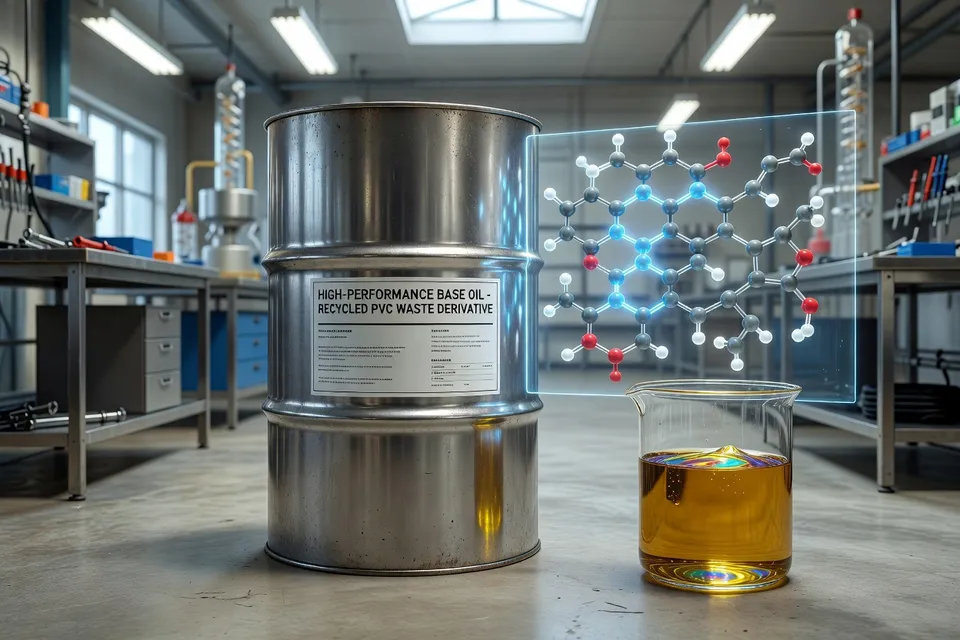
Under these mild conditions, the PVC undergoes three tightly linked reactions: dechlorination, alkylation and controlled chain scission. AlCl₃ strips chlorine atoms from the backbone, creating reactive sites. Alpha-olefins attach at these sites, grafting branches onto the emerging hydrocarbon chains. Simultaneously, the long PVC chains are cut into shorter segments tuned for lubricant rheology.
The result is a family of vinyl-derived polyalphaolefins whose molecular architecture resembles premium PAO base stocks. The team reports tunable molar mass and kinematic viscosities at 100 °C in the range of roughly 14.9–26.3 cSt, coefficients of friction around 0.08–0.15 and viscosity indices up to 130 – figures squarely in lubricant-grade territory.
"Number one, we have proved that it is feasible to use plastic waste to make high-performance lubricants. Number two, these lubricants are green, and they can meet the emerging needs for sustainability by the market." - Guoliang "Greg" Liu, professor of chemistry and chemical engineering at Virginia Tech said
Crucially, the chemistry supplements – rather than replaces – existing alpha-olefin feedstocks. Waste PVC provides a carbon-rich template for building branched PAO-like structures, while alpha-olefins continue to supply the branch fragments that define lubricant performance.
Performance and tribology: can PVC-derived oils compete?
To test whether this synthetic story translates into mechanical reality, the team partnered with tribologists at Texas A&M. External testing on steel sliding contacts showed that PVC-derived vPAO oils deliver wear and friction responses competitive with, and in some cases superior to, established commercial PAO lubricants.
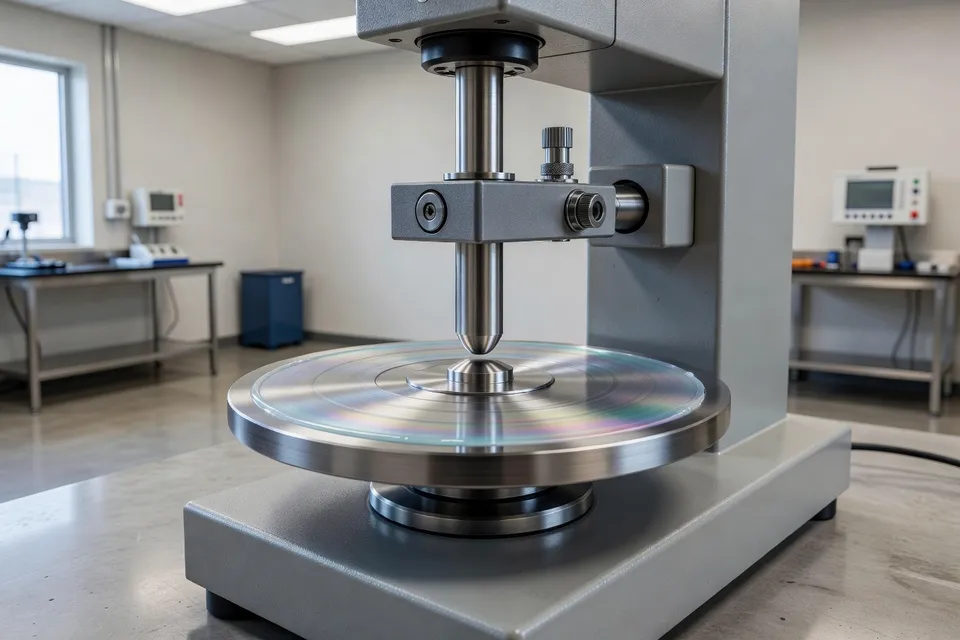
In the underlying Nature paper and supporting technical commentary, the lubricants’ tribological metrics align with what engine and industrial formulators expect from premium synthetic base oils: low friction coefficients across typical load and speed regimes, controlled wear volumes, and viscosity indices conducive to multi-grade formulations. Independent observers have noted that the branch length and branching density achievable by tuning where the PVC backbone splits are central to this performance, directly affecting viscosity-temperature behaviour and film formation.
For processors and lubricant blenders, the takeaway is clear: this is not a downcycled commodity fuel. It is a base oil candidate with properties engineered for use in applications ranging from automotive crankcases to hydraulics and industrial gearboxes, provided scale-up preserves the structure–property profile demonstrated in the lab.
Bench-scale today, plant design tomorrow
The route is currently validated at bench scale. The Virginia Tech, Texas A&M and Caltech collaboration has gone further than a typical lab curiosity by pairing the chemistry with techno-economic modelling and wear testing. Analyses cited by the team and independent coverage show that, at least on paper, a PVC-to-vPAO facility could be economically attractive, leveraging a low-cost, often negative-cost feedstock into a high-value lubricant stream.
A separate modelling effort referenced in public reporting examined a plant sized at tens of thousands of tons of annual lubricant output, with capital expenditure in the tens of millions of dollars and projected double-digit returns once fully ramped. While figures will vary by geography and integration level, the signal to industry is that this is not destined to remain a benchtop reaction; it has been evaluated against commercial constraints.
Liu has publicly indicated that a start-up route and licensing strategy are under consideration to move the technology out of academia. For converters and compounders in construction, pipe, profile and flexible PVC markets, that matters: future offtake agreements could turn a costly waste stream into a feedstock for a partner’s lubricant operation rather than a landfill invoice.
What it means for PVC converters and the lubricant supply chain
For PVC processors, the most immediate implication is strategic rather than operational. The process requires reasonably clean PVC streams, and its economics will depend on consistent material quality, manageable solvent and catalyst cycles, and a robust solution for handling removed chlorine – likely as recoverable hydrochloric acid or other commodity chemicals. That pushes the conversation toward segregated collection of PVC construction waste, end-of-life pipe and profile programs, and design-for-recycling practices that avoid exotic additive packages.
Construction, which accounts for the majority of PVC use and disposal, is an obvious starting point. A credible chemical bridge now exists between that sector’s disposal cost and its own lubricant purchasing budgets. In practical terms, a pipe manufacturer or window profile extruder could, in future, participate in regional PVC waste aggregation schemes feeding a lubricant plant, while buying vPAO-based oils for factory hydraulics, compressors and fleet maintenance.
For lubricant producers, PVC-derived vPAO is best viewed as feedstock diversification. It does not displace all conventional alpha-olefin routes; it expands the carbon pool with a waste-derived stream whose branch architecture can be tuned by reaction conditions and backbone cleavage patterns. That tunability could support niche viscosity grades or specialised formulations where friction and wear behaviour benefit from particular branching motifs.
At the regulatory and ESG level, the story is attractive but still conditional. PVC’s chlorine content and historical association with persistent additives make regulators understandably cautious. Any commercial deployment will be scrutinised for chlorine capture, emissions, solvent management and trace additive carryover into the lubricant product. Yet the prospect of converting a low-recycling thermoplastic into a high-value industrial fluid aligns with emerging policies that favour upcycling over simple recovery.
Key questions for scale-up
Three questions now sit at the centre of industry discussions:
- Feedstock logistics: Can construction and municipal streams deliver sufficiently clean, well-characterised PVC waste at the volumes needed for continuous operation?
- Process robustness: Will the dechlorination–alkylation–scission sequence hold up under real-world variability in formulations, fillers and plasticisers without costly pre-treatment?
- Product consistency: Can vPAO base oils derived from diverse PVC sources meet tight specifications on viscosity, volatility and additive compatibility across batches?
Highways Today and Chemical & Engineering News both frame the development as a credible bridge between a stubborn waste stream and the top end of the lubricant market – but emphasise that scale-up economics, chlorine management and quality assurance will determine whether that bridge is crossed.
For now, the chemistry has given PVC a very different narrative. Instead of ending its life as buried pipe or incinerated siding, the material can, at least in the lab, re-emerge as premium lubricant flowing through engines and gear trains. For an industry grappling with both plastic waste and the carbon footprint of petroleum-based oils, that is a loop worth watching.
Editorial Insights
- How could converting PVC waste into lubricant base oils reshape waste management strategies for plastics and rubber processors?
- Turning PVC waste into lubricant feedstock changes waste from a disposal liability into a potentially monetisable input stream. Processors are incentivised to segregate and characterise PVC more carefully, invest in collection and aggregation networks, and rethink end-of-life planning as part of an integrated materials loop. Over time, this can push plant design and product formulation toward cleaner, more traceable PVC streams that are compatible with chemical upcycling rather than landfill or incineration.
- What are the key environmental opportunities and risks associated with upcycling PVC into high-performance lubricants?
- Environmentally, the main opportunity lies in diverting a low-recycling thermoplastic away from landfills and incinerators and into long-lived, high-value industrial fluids. At the same time, any commercial deployment must tightly manage chlorine removal, solvent cycles and additive residues to avoid shifting impacts from solid waste to emissions and effluents. Robust monitoring, closed-loop processing and transparent reporting will be essential to demonstrate that the overall footprint improves rather than simply relocates environmental burdens.
- From a business strategy perspective, how might PVC-derived base oils influence competitiveness in the lubricant market?
- Using PVC as a carbon template introduces a low-cost or even negative-cost feedstock into a segment dominated by refined petrochemical streams. If scale-up confirms attractive returns, producers that secure reliable PVC supply and optimise the chemistry could gain both margin advantages and a differentiated sustainability story. This may spur new regional partnerships between converters and lubricant blenders, shift procurement criteria toward waste-integrated supply chains, and create niche product lines built around tunable branching architectures.
- What regulatory challenges are most likely to shape the commercial rollout of PVC-to-lubricant technologies?
- Regulators will focus on chlorine handling, potential by-products, solvent emissions and the fate of legacy additives migrating from PVC into process streams. To secure approvals, operators will need demonstrable capture of chlorine in benign or commodity forms, rigorous control of trace contaminants in finished lubricants, and integration with existing chemical and waste regulations. Clear verification protocols and third-party testing will be critical to building confidence that these plants close loops without introducing new health or environmental concerns.
- How does the possibility of turning end-of-life PVC into lubricants affect long-term design and material-choice decisions in the sector?
- Knowing that PVC can serve as a future lubricant feedstock encourages designers to prioritise formulations that are compatible with chemical upcycling—simpler additive packages, fewer problematic fillers and clearer material labelling. This may tilt some applications toward PVC grades that balance performance in use with recyclability in reactors, rather than focusing solely on initial cost or processing ease. Over years, such design choices could build predictable waste streams that support steady plant operation and more circular business models.
- What practical considerations should lubricant formulators weigh when evaluating PVC-derived base oils for real-world applications?
- Formulators will look beyond headline viscosity and friction metrics to assess batch consistency, volatility behaviour, oxidation stability and compatibility with existing additive chemistries. They will also need confidence that variability in PVC feedstock does not translate into unpredictable performance, especially in multi-grade and extended-drain systems. Early adoption is likely to focus on applications where controlled tribology and branching tunability offer clear advantages and where operators are willing to pilot new supply chains tied to waste-derived carbon.
References
- 1.Waste360. (2026, August 5). PVC plastic is turned into engine lubricant. Waste360.
- 2.Virginia Tech. (2026, August 29). Scientists turn one of the hardest plastics to recycle into high-performance engine lubricant. ScienceDaily.
- 3.Virginia Tech. (2026, August 5). Scientists turn one of the world’s most hated plastics into premium lubricant. Virginia Tech News.
- 4.Highways Today. (2026, August 5). Closing the loop on PVC: Construction waste as feedstock for premium synthetic oils. Highways Today.
- 5.Yahoo News. (2026, August 5). Scientists find way to convert PVC plastic into high-value synthetic oil. Yahoo News.
- 6.Nuwayo, E. M., Thompson, C., Civiello, A., DiMarco, A., Zhang, J., Lee, S., Sung, G., Das, T., Zhang, Y., Vu, C., Koshak, S., Matson, J. B., Erdemir, A., Goddard, W. A., Chen, X., & Liu, G. (2026, August 5). Upcycling of polyvinyl chloride into polyalphaolefin lubricants. PubMed.
- 7.Nawfal, M. (2026, September 4). Scientists turn the worst plastic on earth into engine oil [Post]. X.
- 8.Virginia Tech. (2026, August 5). Virginia Tech researchers develop plastic to engine oil conversion method [Post]. LinkedIn.