

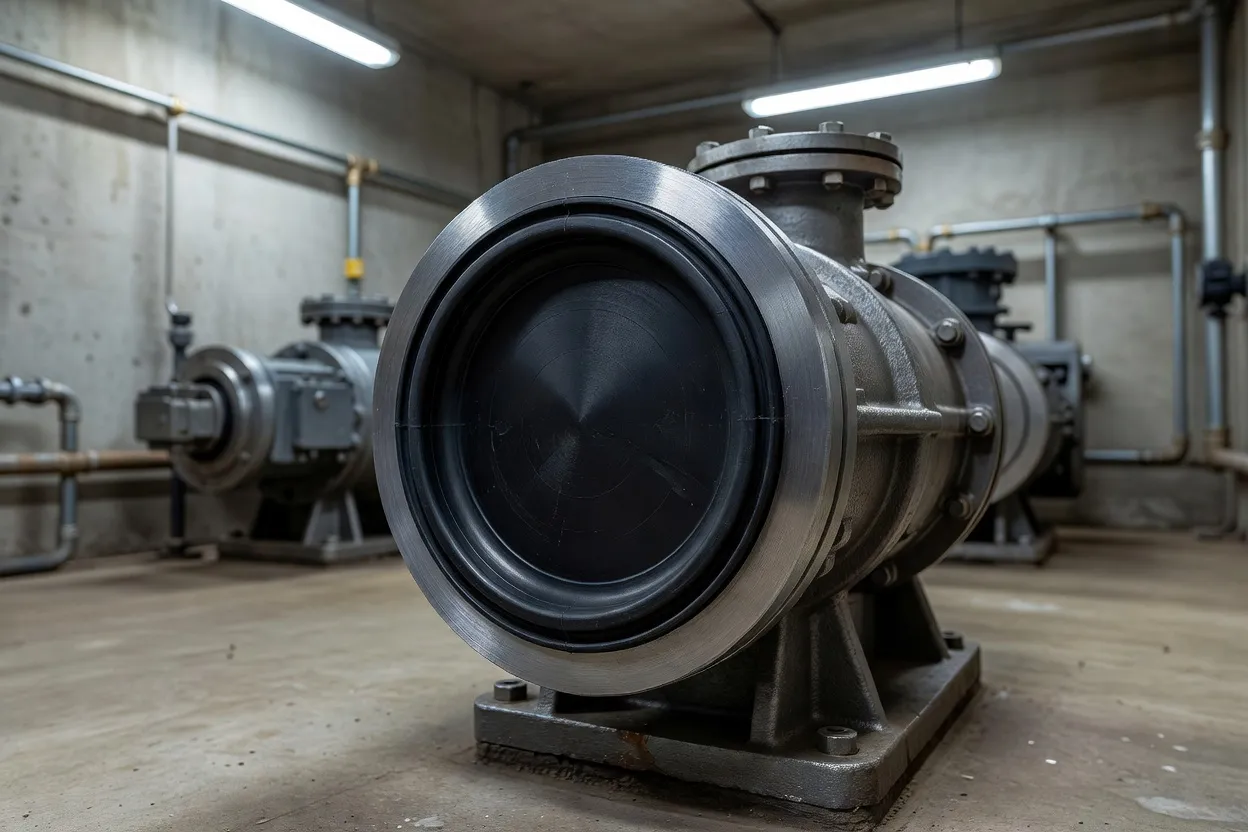
From one-off breakdown to repeatable root cause
Rubber components still fail in everyday service, but the way leading laboratories investigate those failures has changed markedly in the past few years. Instead of blaming “bad rubber,” specialist teams are tying seal damage back to handling, tooling and compounding decisions, and then feeding those findings into formal process assessments and material upgrades.
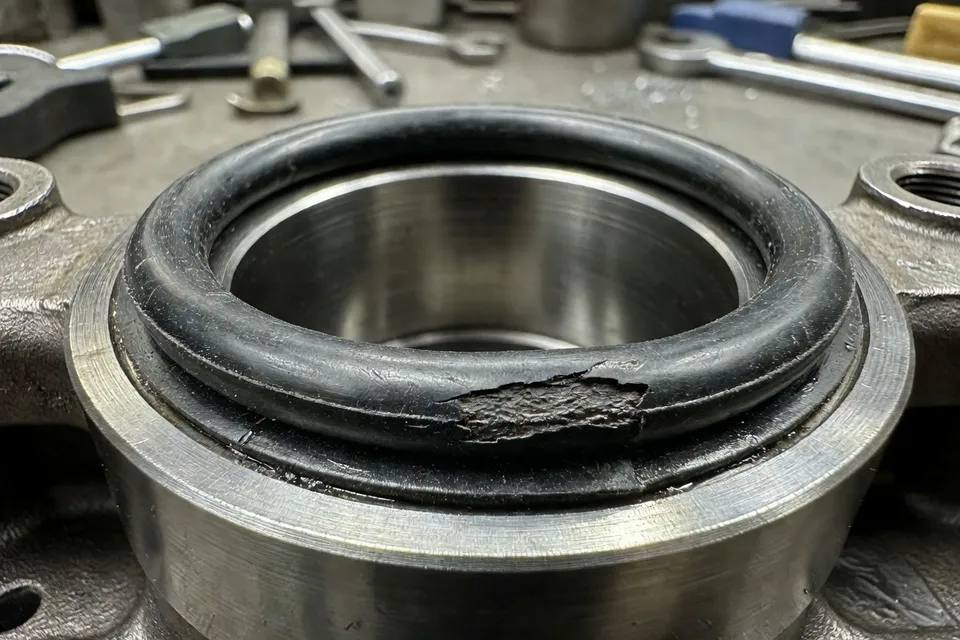
Smithers recently published an O-ring case study that walks through this modern approach. Their consultants start with basic problem framing – misapplication, abuse, lack of maintenance, manufacturing defect, design defect or end‑of‑life – then apply a scientific method that forces each hypothesis to be tested, not assumed. In one example, an automotive O‑ring showed a smooth tear that progressed into a rough fracture surface after service. The investigation linked that pattern to misalignment in the groove during installation, with the tear propagating under operating oil pressure over roughly 120 miles before final failure – a human‑error problem, not a materials one.
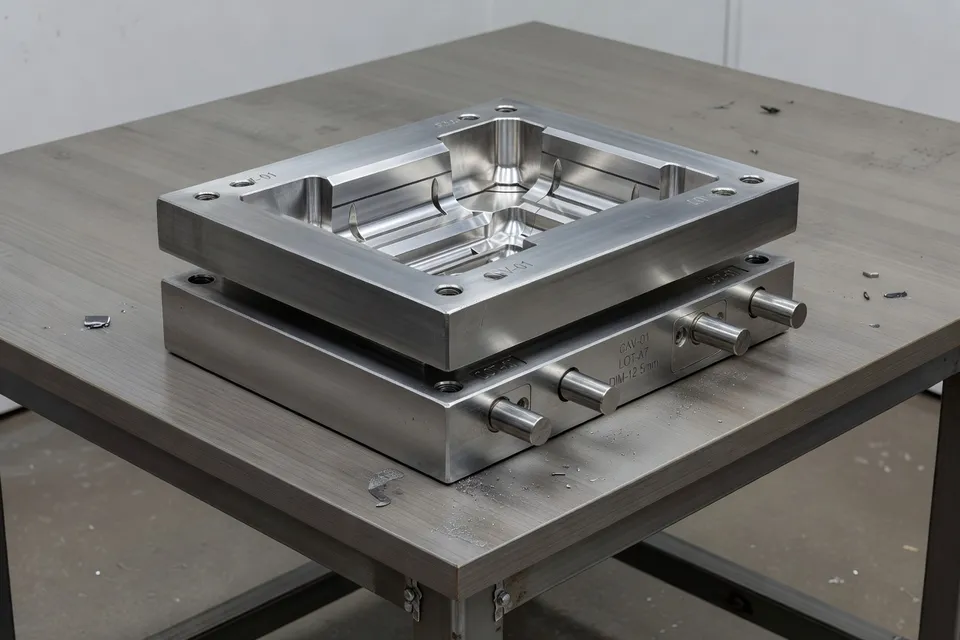
A second case in the same presentation highlights the value of examining tooling. An O‑ring held in quality control for dimensional issues was traced back to a two‑piece compression mold that had gone out of alignment. The misaligned mold halves produced different diameters in axial and radial directions, pushing the part outside its tolerance window and creating a manufacturing defect that would recur until the tooling was corrected.
What reliable seals demand from the lab
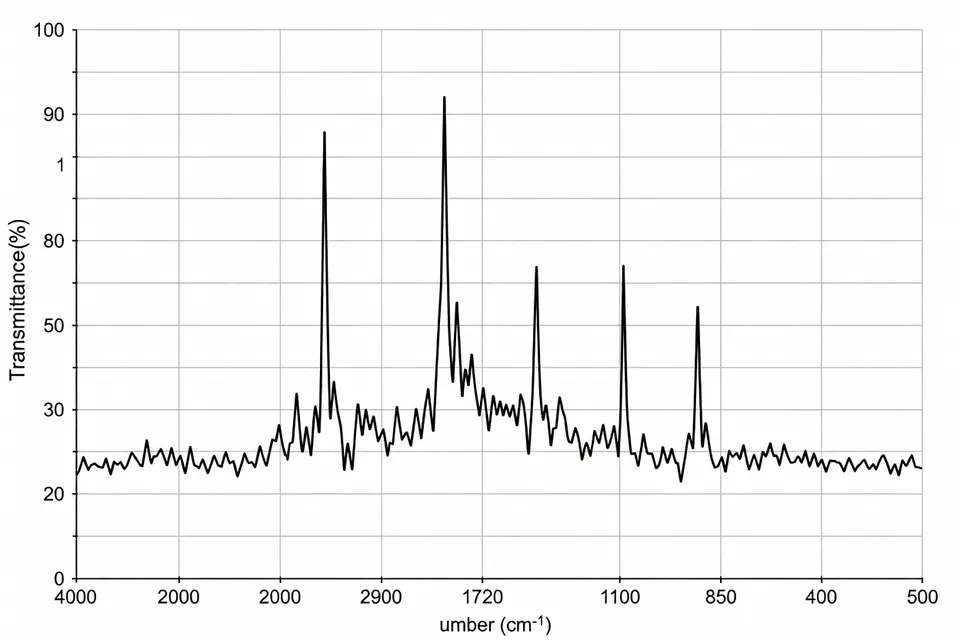
In parallel with visual inspection and dimensional checks, labs are increasingly using spectroscopic methods – such as FTIR – and density measurements to confirm what compound was actually supplied. One case study from an O‑ring failure in high‑pressure process gas service illustrates why that matters. Seals that had been in operation for about eight years at 139.3 bar(g) and 2–32 °C were returned with localized internal damage and swelling characteristic of rapid gas decompression (RGD). There was no extrusion, thermal degradation or chemical attack, narrowing the mechanism to mechanical gas effects rather than fluid incompatibility.
Customer documents suggested the parts were either HNBR or FPM. By comparing the measured densities – 1.291 and 1.293 g/cm³ – to typical values for FPM, the analysts ruled out the fluoroelastomer options and concluded the seals were more likely a standard nitrile or a non‑RGD‑resistant HNBR. That distinction matters for reliability: the recommendation was to shift to an RGD‑resistant HNBR grade and a more appropriate profile, which was subsequently manufactured and demonstrated successful performance in service.
For processors, these examples make two practical points.
-
First, failure analysis is only useful if it feeds back into specification control. If a drawing allows multiple compounds without regard for RGD resistance, plant staff have no way to prevent similar failures.
-
Second, evidence‑based upgrades stick. When a customer sees that a particular hardness and polymer family avoided RGD damage under the same pressure and temperature, they are more willing to write that into their standards.
Turning case findings into process discipline: CQI‑23
The automotive sector has begun to formalize these lessons through structured molding assessments. The latest CQI‑23 Molding System Assessment, 3rd Edition, released in September 2026, gives molders a common checklist for injection, blow molding, vacuum forming, compression molding, resin transfer molding and extrusion operations. It is designed to sit alongside IATF 16949, helping organizations show they can consistently make molded parts that meet customer and regulatory requirements.
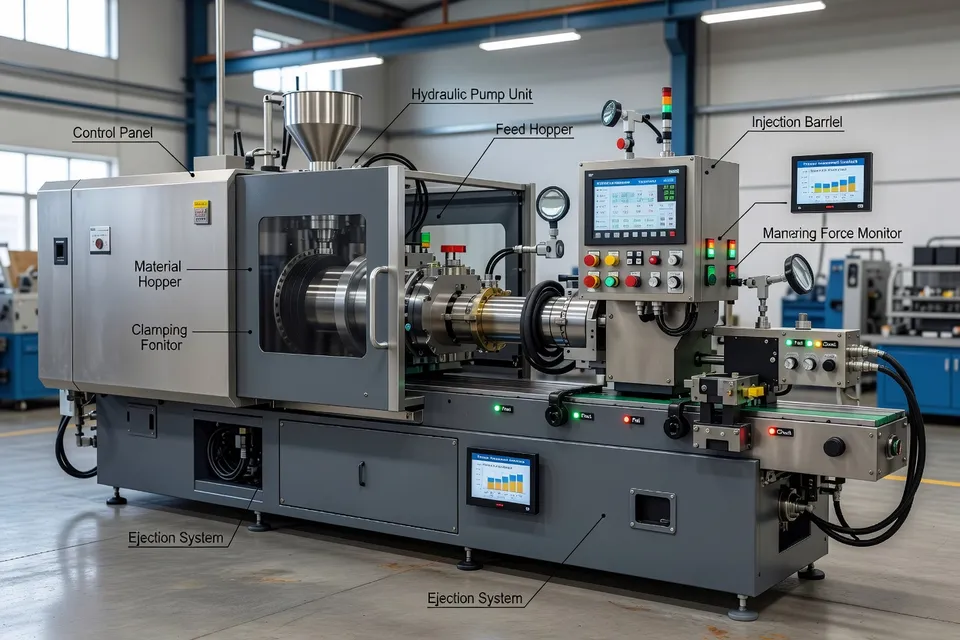
CQI‑23’s process tables do not mention O‑rings explicitly, but they go straight at the root causes uncovered in seal failure investigations. The assessment requires documented start‑up and restart procedures, defined reaction plans when process requirements are not met, annual internal audits and retention of process control and testing records for at least three years. It also pushes plants to identify process risks systematically, strengthen preventive maintenance and control measuring and test equipment.
For rubber processors making safety‑critical seals, adopting CQI‑23 is one way to ensure that the corrective actions coming out of a failure analysis do not fade once the immediate incident is closed. If an investigation identifies mold misalignment as the root cause, CQI‑23 can drive that into the standard start‑up checklist, tooling verification and job audit requirements, making it harder for the same error to recur quietly.
Additives as reliability tools, not just throughput aids
Failure analysis often ends with a recommendation to change the compound, but switching polymer families or hardness is only part of the story. Rubber processing additives are being used more deliberately to control mixing variability, filler dispersion and cure behavior – all contributors to long‑term reliability.
Struktol’s portfolio shows how these products are being framed for both performance and consistency. A recent European Rubber Journal technology focus piece highlighted Struktol FM 126, a processing additive aimed at faster filler incorporation and enhanced dispersion of carbon black, silica and other mineral fillers. By lowering compound viscosity and improving flow, FM 126 lets compounders reduce mixing time, consolidate mixing stages and increase throughput while keeping mechanical and dynamic properties within target ranges. From a reliability standpoint, the important point is more uniform compound properties in a single pass.
Another Struktol additive, EF 44A, is a blend of fatty acid derivatives – predominantly zinc soaps – designed for natural and synthetic rubber compounds such as NR, SBR and EPDM. It provides both internal and external lubrication, supports smoother extrusion and better mold filling, and improves filler dispersion, especially with mineral fillers. EF 44A also acts as a cure activator, allowing formulators to cut back on separate stearic acid additions and simplify recipes. When batch‑to‑batch cure state is more consistent, fatigue life and compression set are easier to control.
"By promoting faster filler incorporation and enhanced dispersion of carbon black, silica, and other mineral fillers, the additive supports superior dispersion in a single pass and more uniform compound properties." - Mayu Si, director of technology‑rubber/sales at Struktol Company of America said
In silica‑filled elastomers, Struktol ZB 49 and HT‑series aids are being promoted specifically to address rolling resistance and hysteresis, but the same mechanisms – improved cure state, reduced Payne effect and better dispersion – also cut the risk of localized hot spots and crack initiation. ZB 47, developed for high natural rubber compounds, is described in technical literature as improving dispersion, reducing incorporation time and enhancing heat‑aged properties, with particular value in demanding curing environments. Those characteristics line up directly with the failure patterns seen in long‑life seals exposed to high temperature and dynamic load.
What processors can copy on Monday
For plant teams, the value of these developments lies in practical steps rather than slogans. The Smithers case examples and industry case studies suggest a workable sequence:
-
Make failure analysis routine, not exceptional. When a seal or molded part fails in service, treat it as a sample for structured investigation, not scrap. Capture operating pressure, temperature and media, and send representative parts to a lab that can combine visual, dimensional and material analysis.
-
Tie lab findings back to your process sheets. If the root cause points to misalignment in a two‑piece mold, update the mold set‑up checklist and preventive maintenance plan. If the failure is due to RGD in high‑pressure gas, update the material specification and approved compound list for that duty.
-
Use CQI‑23 or similar frameworks to lock changes in. Map your molding lines to the CQI‑23 process tables and use its annual job audits and record‑keeping rules to ensure that corrective actions from one incident are visible to future assessors.
-
Review processing additives with reliability in mind. Where mixing variation and filler dispersion are recurring issues, evaluate additives like FM 126, EF 44A, ZB 47 and ZB 49 in controlled trials. Monitor both throughput and key seal properties – compression set, tear resistance, dynamic fatigue – before rolling changes into production.
-
Document what you learn. Several CQI‑23 guidance documents stress maintaining records of best practices and specifications so that lessons do not leave with a single engineer. That same discipline makes future failure investigations faster and more conclusive.
Across rubber and sealing operations, the message is quietly consistent: reliability improves when failure analysis is treated as part of the process, not as an after‑the‑fact forensic exercise. Plants that connect lab evidence to standards like CQI‑23 and to smarter use of processing additives are finding that once‑mysterious O‑ring failures turn into solvable, preventable problems.
Editorial Insights
- Why is it important for rubber processors to treat failure analysis as a routine activity rather than an occasional troubleshooting exercise?
- When failure analysis is embedded as a routine practice, plants build a cumulative understanding of how design, compounding, tooling and installation interact in real service conditions. That turns each breakdown into structured data that can feed specifications, maintenance plans and training, rather than a one-off fix. Over time, this discipline reduces repeat failures, stabilizes process capability, and supports more credible reliability claims to customers and regulators.
- How does tighter control of material specifications contribute to both reliability and cost management in rubber sealing applications?
- Clear, enforceable material specifications prevent unsuitable compounds from being used in demanding duties, cutting the risk of premature failures, unplanned downtime and warranty exposure. At the same time, specifying performance attributes—such as resistance to decompression or fatigue—rather than broad material families helps avoid over-engineering and allows competitive sourcing within a defined reliability envelope. This balance of fit-for-purpose performance and controlled variability is central to long-term cost and risk management.
- In what ways can structured molding assessments improve the safety performance of rubber components used in critical systems?
- Structured molding assessments translate lessons from individual failures into standardized routines: start-up checks, documented reaction plans, regular audits and long-term record keeping. This forces plants to address systemic risks like mold misalignment, inconsistent cure and uncontrolled rework before they manifest in the field. For safety-critical components, such discipline reduces silent process drift, makes near-misses visible, and strengthens the traceability needed when demonstrating compliance to external stakeholders.
- How can processing additives be leveraged as tools for reliability rather than just for throughput gains?
- Processing additives that improve filler dispersion, mixing consistency and cure activation directly influence properties such as compression set, fatigue resistance and heat aging. When plants validate these additives in controlled trials and link them to tighter batch-to-batch variation, they move beyond chasing cycle time and use chemistry to stabilize performance. This approach makes it easier to design compounds that meet demanding service profiles without sacrificing productivity.
- What are the broader ethical implications of neglecting systematic failure analysis in rubber and sealing operations?
- When organizations treat failures as isolated incidents, they risk allowing avoidable defects to propagate into applications where loss of containment, environmental releases or safety incidents can occur. Ethically, there is an obligation to learn from each breakdown and institutionalize those lessons through standards, training and process controls. Doing so respects the trust placed in critical components and aligns day-to-day production decisions with long-term societal expectations around safety and environmental stewardship.
- How does rigorous failure analysis in rubber components intersect with broader sustainability goals?
- Reliable rubber parts extend service life, reduce scrap and minimize emergency interventions, all of which lower resource use and indirect emissions across the value chain. By pinpointing root causes—whether material choice, processing variation or installation errors—failure analysis supports targeted improvements that avoid blanket over-specification and unnecessary material consumption. In the long run, this combination of durability and precision reinforces circularity efforts and more responsible use of elastomeric materials.
References
- 1.Smithers. (2025, September). Rubber failure case study: O-ring analysis with FTIR. Smithers.
- 2.Springer. (2026). Article with DOI 10.1007/s12289-026-02087-7. Springer.
- 3.European Rubber Journal. (2026, September 10). Technology focus: Struktol to spotlight advanced processing additive. European Rubber Journal.
- 4.Pengde. Case study: Customized polyurethane no crush wheel for corrugated board line. Pengde.
- 5.CQI Support. (2026). CQI-23:2026 – Molding System Assessment, 3rd Edition. CQI Support.
- 6.European Rubber Journal. (2026, September 15). Latest news. European Rubber Journal.
- 7.PlasticPortal.eu. (2026, September 15). PlasticPortal.eu – portal for the plastics and rubber industry. PlasticPortal.eu.
- 8.AMI Magazines. (2026, January 5). Compounding World. AMI Magazines.