

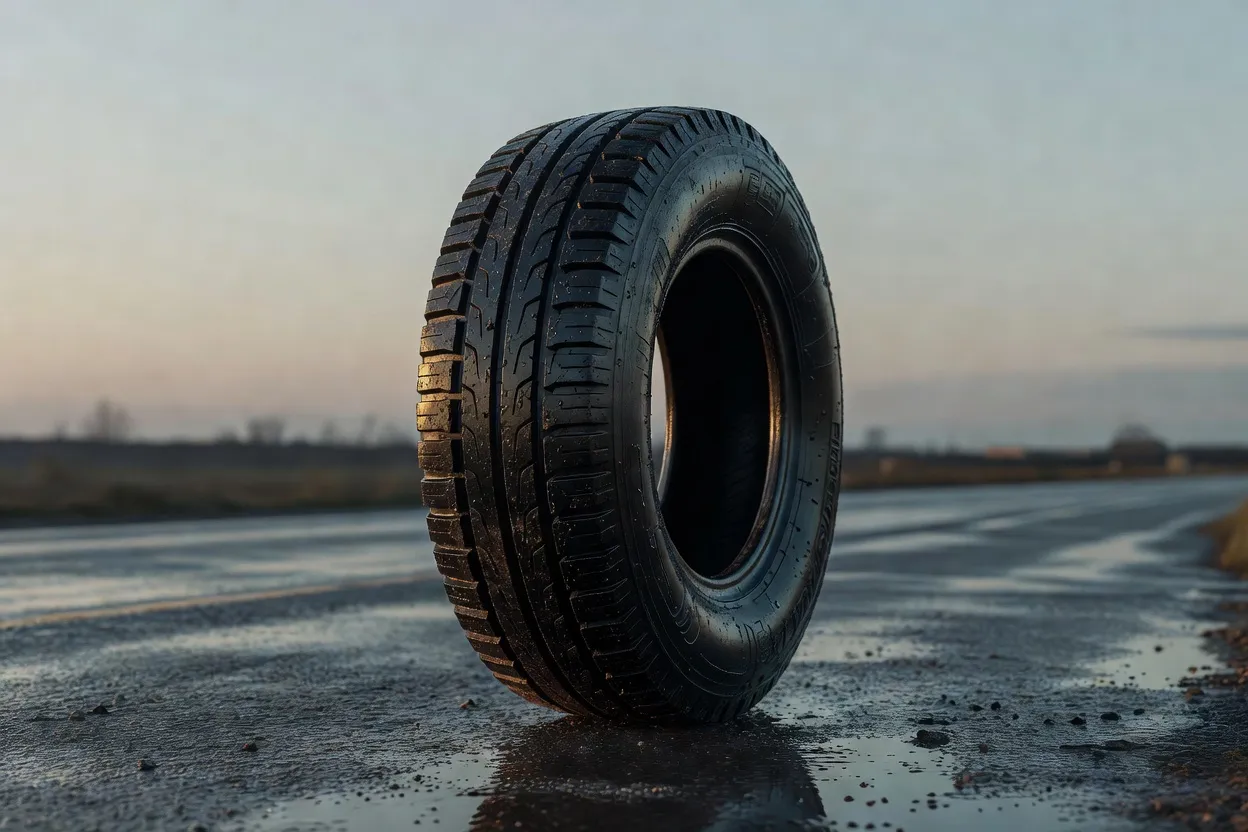
Elastomers step into the circular spotlight at GPS 2026
Walk the aisles of the Global Polymer Summit (GPS 2026) in Louisville this September and one theme cuts through the usual buzz around compounds, mixers and molding: elastomers are being re‑positioned as active drivers of circularity rather than inevitable end‑of‑life problems.
Hosted at the Kentucky International Convention Center from September 28–30, 2026, the event brings together the former International Elastomer Conference (IEC) and International Tire Exposition & Conference (ITEC) into a single platform for the global rubber, elastomer, tire and polymer community. Organizers describe GPS as a destination for manufacturers, suppliers, technology providers and researchers who want to see and debate the latest developments across these markets.
From conference merger to systems thinking
The decision to merge IEC and ITEC into GPS 2026 is more than a branding exercise. By pulling tire, elastomer and broader polymer discussions under one roof, the summit encourages systems‑level thinking about circularity that spans materials science, compounding, product design, collection, and recovery.
Technical programming promoted by Rubber Division, ACS for the 2026 summit includes topics such as environmental risk associated with PFAS, 6PPD and tire wear particles, advancements in tire materials and compounding, and EV mobility and next‑generation tire performance. Those themes underscore how sustainability questions now run in parallel with performance and safety, particularly as electric vehicles put new demands on rubber and tire formulations.
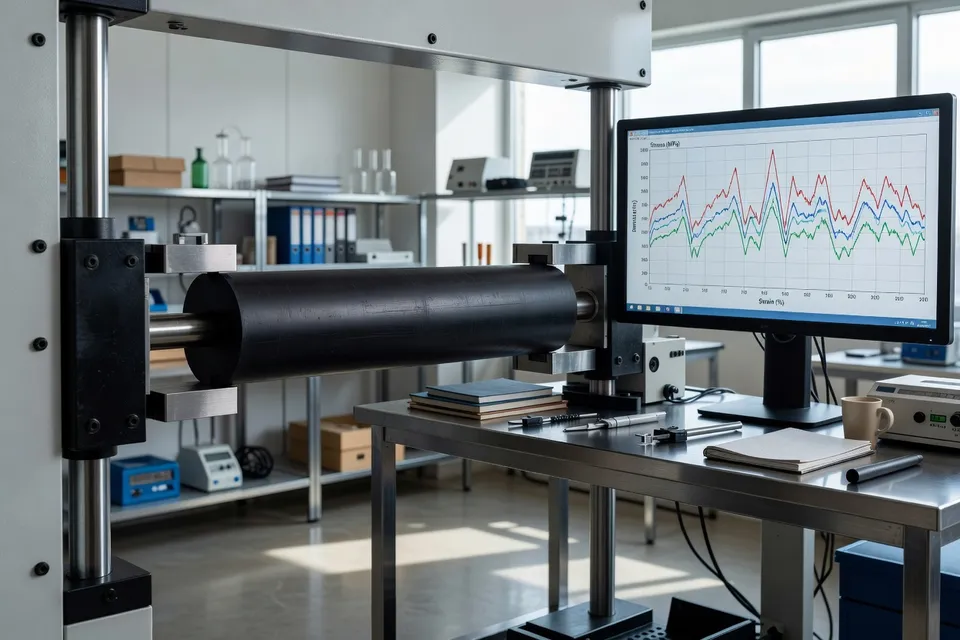
Sessions on mechanics, thermodynamics and glass transition of polymers and rubber extend that lens, linking fundamental behavior of elastomeric materials with their long‑term durability, recyclability and suitability for high‑stress applications.
Circularity moves onto the expo floor
One of the structural changes highlighted for GPS 2026 is the relocation of technical, business and industry sessions directly onto the expo floor. With a single registration granting access to all theater and technical programming, attendees will move seamlessly between commercial booths and deep‑dive sustainability discussions.
This shift matters for circularity. Processors, compounders and brand owners can listen to a talk on environmental risk or recovered materials and immediately challenge suppliers on formulation choices, additive packages or end‑of‑life pathways. Exhibitors like RDAbbott, NovationSi, ChemPoint and ALTTRAN are using their presence in Louisville to do exactly that, positioning technical support and supply chain agility as enablers of more circular product strategies.
RDAbbott, for example, is framing part of its summit participation around Customer Ease of Doing Business (CEDB), an approach aimed at giving real‑time insight into customer health rather than static satisfaction scores. While not a sustainability metric on its face, the message resonates with processors trying to coordinate new circular supply chains where material availability, qualification timelines and regulatory expectations can change rapidly.
Recovered carbon black links tire recycling to elastomer design
Nowhere is the circular conversation more concrete than in the dedicated Recovered Carbon Black (rCB) Symposium scheduled on the expo floor during GPS 2026. Running on Tuesday and Wednesday of the summit, the symposium is chaired by industry consultant Dave Abdallah and brings together players from tire recycling, carbon black, rubber, polymers, advanced materials and sustainability.
Klean Industries has confirmed that its CEO, Jesse Klinkhamer, will be a featured speaker and panelist at the rCB Symposium, reflecting the growing importance of tire pyrolysis technologies in closing material loops for elastomer‑based products. The program is set to cover technical and commercial progress in converting end‑of‑life tires into recovered carbon black and tire pyrolysis oil (TPO), with a strong emphasis on real adoption in rubber compounds, plastics, inks, coatings and construction materials.
"Recovered carbon black is no longer just a lab curiosity; it’s being seriously evaluated in mainstream rubber compounds and plastics." - Jesse Klinkhamer, CEO at Klean Industries said
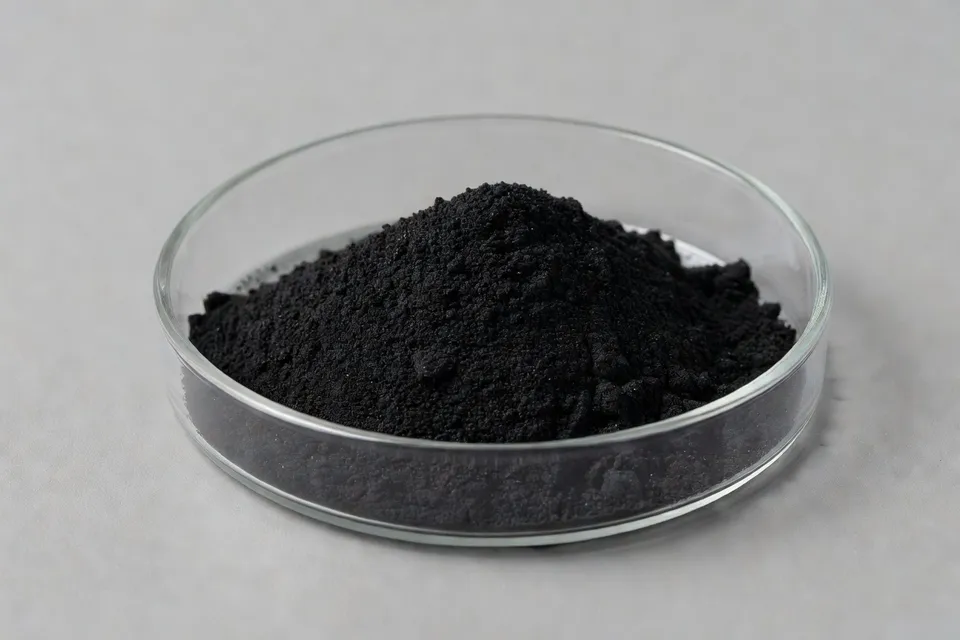
For compounders and tire makers, the implications are direct. If rCB can meet consistency, dispersion and performance requirements, it offers a way to reduce reliance on virgin carbon black while cutting waste. The focus on TPO commercialization is equally pragmatic: unless pyrolysis oil can be reliably refined, certified and placed into high‑value markets, the economics of tire‑to‑materials plants will struggle to scale.
Distributors and mixers reposition for circular demand
ChemPoint’s announcement around GPS 2026 frames the summit as an opportunity to discuss supply chain resilience alongside advanced elastomer applications. The distributor is emphasizing its ability to connect manufacturers, compounders and formulators to high‑performance polymers, additives and specialty materials while using technology‑enabled logistics to respond to volatile demand.
That positioning dovetails with the circular narrative. As processors experiment with new fillers like rCB, redesign formulations to address PFAS concerns, or tune compounds for EV tire wear and noise, they need distributors who can manage complex inventories and support iterative qualification. ChemPoint is explicitly inviting attendees to schedule dedicated meetings in Louisville to discuss tailored material solutions and technical challenges.
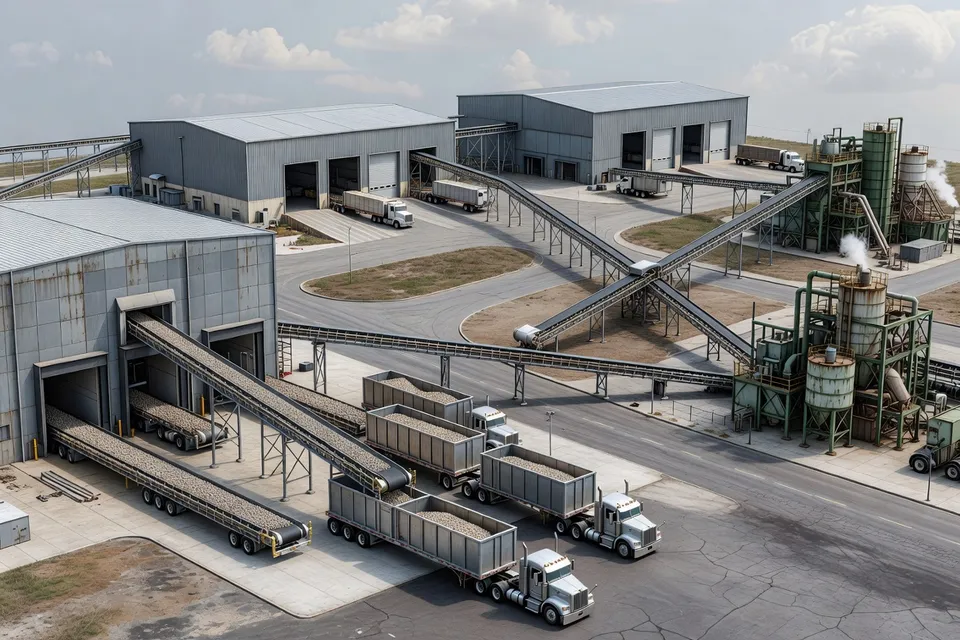
ALTTRAN, meanwhile, is using its booth presence to highlight custom rubber mixing, compound development, testing and troubleshooting. For an industry grappling with sustainability claims that must survive both lab scrutiny and real‑world service, the ability to quickly refine formulations and validate performance becomes a core piece of circularity.
What it means for processors and brand owners
For processors, the 2026 Global Polymer Summit is shaping up less as a traditional trade show and more as a working forum on how elastomer systems will function in a circular economy. Several operational implications stand out:
- Material portfolios will shift as environmental topics like PFAS, 6PPD transformation products and tire wear particulates move from regulatory dossiers into mainstream technical talks. Compounders will need alternative stabilizer, antioxidant and filler strategies that preserve performance.
- Design and testing loops will tighten, with labs and custom mixers like ALTTRAN expected to help manufacturers iterate faster on EV‑ready and recyclable compounds.
- Supply chains will be judged on resilience, as distributors such as ChemPoint position themselves as partners in managing the risks associated with new materials, from rCB to next‑generation additives.
- Customer metrics will broaden, with approaches like RDAbbott’s CEDB hinting at a future where relationship health includes the ability to co‑develop sustainable solutions.
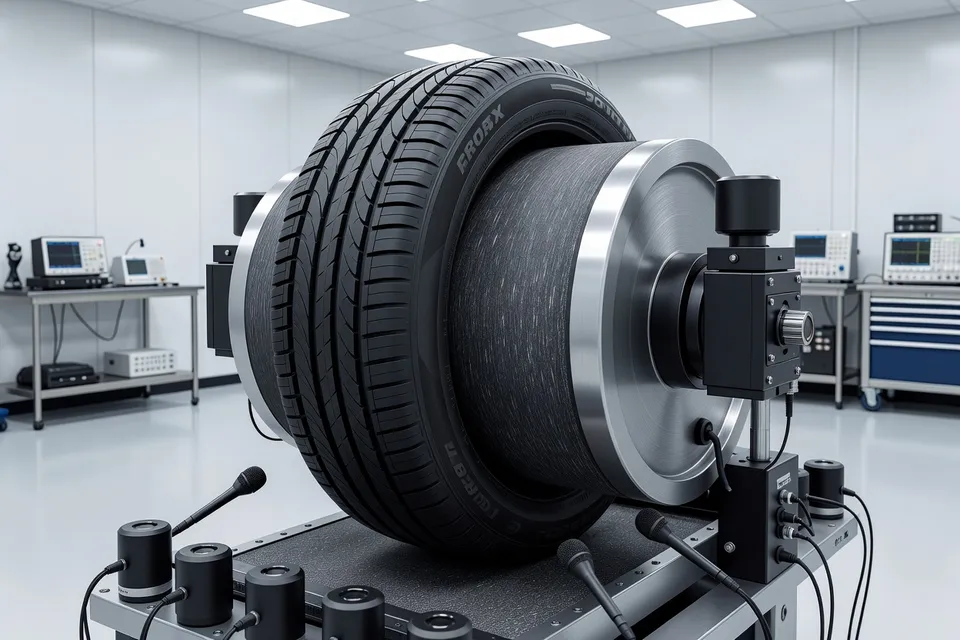
For brand owners in tires, automotive, construction and industrial rubber goods, GPS 2026 offers a concentrated view of who is actually investing in circular technologies versus who is simply adjusting messaging. The presence of a formal rCB symposium, the merger of elastomer and tire communities, and the decision to put technical content on the expo floor all push toward transparency.
As the Louisville summit approaches, one thing is clear: elastomers are moving from the margins of sustainability conversations to their center. Circularity for polymers will not be solved by a single breakthrough material; it will be built through the kind of cross‑value‑chain dialogue and practical experimentation that GPS 2026 is explicitly designed to host.
Editorial Insights
- How is the concept of circularity changing the way elastomer systems are approached across the value chain?
- Circularity is pushing elastomers to be treated as integrated systems rather than isolated materials, linking formulation, design, use-phase performance and end-of-life pathways in a single loop. This means compounders, designers, recyclers and distributors must collaborate earlier and more frequently, with recyclability, recovery options and regulatory risk now built into baseline specifications rather than added later as compliance checks.
- What are the main technical and commercial hurdles to using recovered fillers and oils in elastomer formulations at scale?
- The key hurdles are consistency, dispersion and robust performance data that can satisfy both safety and durability requirements while competing on cost. Recovered fillers and oils must demonstrate reliable quality, compatible processing behavior and certification pathways into high-value applications; without that, plants that convert end-of-life products into secondary materials struggle to reach economically viable scale.
- How do emerging environmental concerns around additives and wear particles reshape innovation priorities in rubber and polymer compounds?
- Heightened scrutiny of additives and wear particulates is forcing innovation to treat environmental risk as a co-equal design parameter alongside performance. Development teams are shifting toward alternative stabilizers, antioxidants and filler packages, while also rethinking compound architectures to reduce emissions and transformation products, which in turn drives demand for more sophisticated testing and lifecycle assessment.
- Why are logistics and distribution capabilities becoming strategic levers for circular elastomer business models?
- Circular strategies often introduce new materials, variable qualities and rapidly evolving regulatory constraints, which makes agile inventory management and responsive logistics critical. Distributors that can integrate technical support with digital visibility on supply, demand and qualification status enable processors to trial alternative compounds and recovered inputs without destabilizing production schedules or customer commitments.
- How does the growing focus on electric mobility influence circular design choices for elastomer components?
- Electric mobility increases torque, alters load profiles and heightens expectations for noise and energy efficiency, all of which put new stresses on elastomer components. To remain circular, compounds must deliver higher wear resistance and thermal stability while still being compatible with existing or emerging recovery technologies, driving demand for formulations that balance advanced performance with traceability and recyclability.
- In a more circular elastomer market, how are measures of customer relationship health likely to evolve?
- Customer relationship health is shifting from static satisfaction metrics toward dynamic assessments of collaboration, responsiveness and joint problem-solving on sustainability goals. Suppliers that can co-develop new compounds, navigate regulatory changes and maintain reliable supply of novel materials will increasingly be judged by their ability to support customers through iterative, long-term circular transitions rather than one-off transactions.
References
- 1.Zeppelin Systems. (2025, June 24). Global Polymer Summit 2026. Zeppelin Systems.
- 2.Rubber Division, ACS. (2026, May 26). 2026 Global Polymer Summit. Rubber Division, ACS.
- 3.European Rubber Journal. (2026, September 10). Technology focus: Struktol to spotlight advanced processing additive. European Rubber Journal.
- 4.RDAbbott. (2026, June 4). Global Polymer Summit 2026 (September 28 – 30). RDAbbott.
- 5.Klean Industries. (2026, July 1). Klean CEO to speak at 2026 Global Polymer Summit recovered carbon black symposium. Klean Industries.
- 6.Rubber Division, ACS. (2026, January 28). GPS call for abstracts. Rubber Division, ACS.
- 7.Rubber World. (2026, April 3). Registration and housing are now open for GPS 2026. Rubber World.
- 8.Cabot Corporation. Global Polymer Summit 2026. Cabot Corporation.
- 9.ChemPoint. (2026, August 31). The Global Polymer Summit 2026. ChemPoint.
- 10.ALTTRAN. (2025, August 7). Meet ALTTRAN at Global Polymer Summit 2026 in Louisville. ALTTRAN.