


Europe’s price reset is being driven by weak demand
European polymer and recyclate markets are finishing the summer with little sign of the stronger September rebound that many sellers had hoped for. Price reports published in mid-September point to reductions across standard thermoplastics and continued pressure on recyclate, with buyers still resistant to restocking and suppliers forced to concede on pricing in several grades.
Standard thermoplastics are losing momentum
Plastics Information Europe (PIE, a European market intelligence publisher focused on plastics pricing and industry news) said its September view for standard thermoplastics showed reductions for all materials, with demand increasing more moderately than hoped. Its earlier August assessment for polyethylene indicated weak demand, small reductions and rollovers, and it expected little price movement in September.
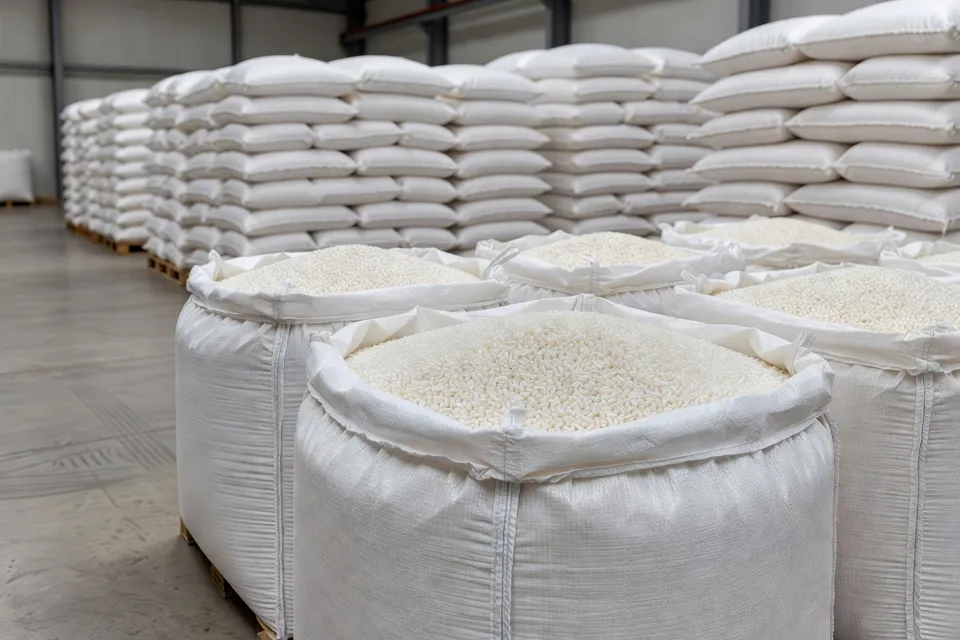
That pattern matches the broader market commentary from Polymerupdate, which reported that European PVC prices softened across both spot and contract markets as weakness persisted through the week. The same update noted that the September ethylene contract settled lower than August, underscoring how feedstock movements are still feeding into polymer negotiations even when demand is too soft to support producer ambitions.
PlasticPortal’s market note was even more explicit about the buying side. It said demand was weaker than expected during the last holiday week, despite expectations of price increases in September, and added that some polymer manufacturers had already reverted to July price levels to meet August sales targets. The same report said converters were still purchasing cautiously, with subdued European consumption and rising imports of commodity PE and PP film, woven and nonwoven materials from Turkey, the Middle East and India weighing on the market.
Recyclate is not getting the seasonal lift
The recyclate segment shows the same imbalance, only more sharply. PIE’s September report on standard recyclate said price discounts dominate, imports are contributing to lush supply and demand remains below normal levels. Its engineering recyclate report described rollovers and small price reductions, again blaming weaker-than-hoped demand after the holidays.
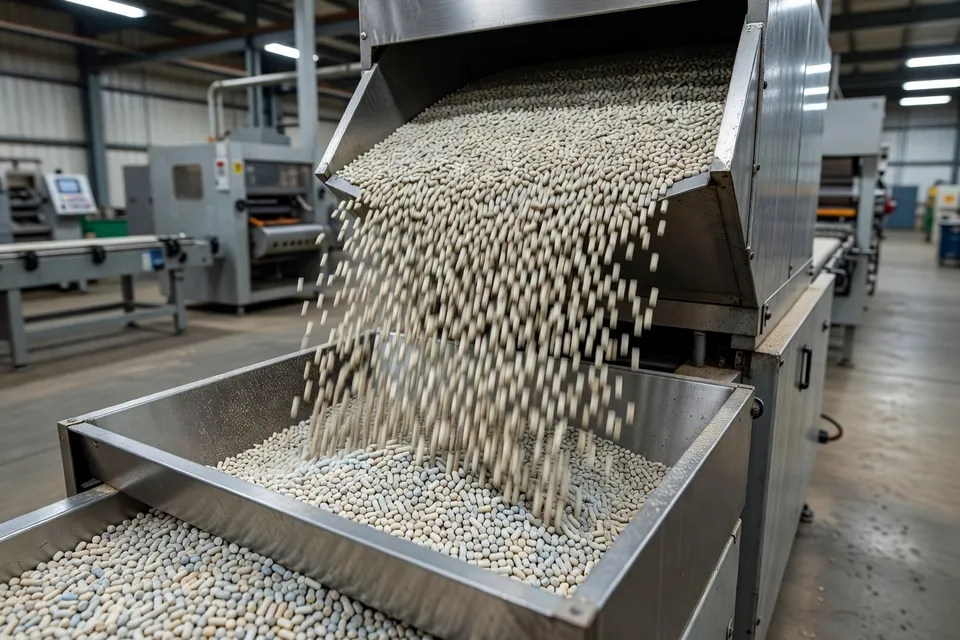
Epignosis Insights (a market research and brand intelligence consultancy publishing monthly recycled-plastics pricing trackers) added a wider structural reading. In its Europe Circular Plastics Price Tracker, the firm said the region’s plastics recycling industry is undergoing its deepest capacity contraction on record even as the EU Packaging and Packaging Waste Regulation has entered into force. The report said all four major recycled polymer families — rPET, rHDPE, rLDPE and rPP — ended June 2026 under downward price pressure, while binding recycled-content mandates still guarantee demand for compliant material through 2030.
The tracker also showed how uneven the recycled market remains. It said recycled PET held the highest values, with colourless flakes at €1,331–1,341 per tonne and bottle-grade pellets at €1,718–1,728 per tonne, both DDP Northwest Europe. Recycled HDPE ranged from €1,111–1,121 per tonne for grey pellets to €1,705–1,715 per tonne for natural pellets, while recycled LDPE traded lower at €803–859 per tonne across grades. Recycled PP black pellets fell 3.3% month on month to €960–970 per tonne as buyers held back purchases ahead of the summer shutdown period.
Europe recycled polymer prices, June 2026
| Material | Price (€/t) |
|---|---|
| rPET colourless flakes | 1336 €/t |
| rPET bottle-grade pellets | 1723 €/t |
| rHDPE grey pellets | 1116 €/t |
| rHDPE natural pellets | 1710 €/t |
| rLDPE | 831 €/t |
| rPP black pellets | 965 €/t |
Supply is still outrunning demand
The common thread across these market signals is supply pressure meeting a hesitant downstream sector. PIE’s recyclate notes describe import flows adding to available material at a time when demand is still below normal levels. Epignosis Insights reached a similar conclusion from a different angle, arguing that the market is caught between a regulatory floor that has yet to fully bite and a commodity market still absorbing oversupply.
For processors, that means the usual September recovery has not translated into broad-margin relief. Converters facing softer end-user orders can wait longer before covering needs, which reduces sellers’ pricing power and makes it harder for recyclers to lift offers even when compliance-driven demand is present. For producers of standard polymers, the result is a market where feedstock trends still matter, but the pass-through to finished resin is being constrained by weak order books and persistent import competition.
What this means for buyers and sellers
The pricing pattern matters because it narrows the room for strategic maneuvering in the autumn procurement cycle. Buyers are benefiting from a market in which sellers are trying to hold the line, but few grades appear to have enough momentum for a sustained rebound without a clearer demand recovery.

At the same time, recyclate sellers face a different challenge from virgin resin producers. Regulation is creating long-term demand certainty for compliant material, but near-term pricing remains exposed to imports, uneven collection flows and the slow pace of downstream uptake. That combination is especially difficult for recyclers with higher operating costs, because it compresses margins even when the policy backdrop is more supportive than the immediate market tone.
The latest reports therefore point to a Europe plastics market that is still being priced by caution rather than confidence. Standard thermoplastics are rolling lower or sideways, recyclate is under ongoing pressure, and the hoped-for September reset has not yet produced the stronger pricing environment many suppliers had been waiting for.
Editorial Insights
- How does the current imbalance between polymer supply and demand change the way processors should plan their autumn procurement?
- With supply still outrunning demand and buyers delaying orders, processors can afford shorter planning horizons and more tactical buying, but that also increases exposure to sudden shifts in feedstock or regulatory sentiment. A more effective approach is to lock in volumes for core grades on flexible terms while using spot purchasing only for incremental needs, balancing price opportunities against the risk of a rapid demand uptick. This mix helps protect margins without assuming that today’s weak order books will persist through the entire season.
- What are the longer-term sustainability risks if recyclate prices remain under pressure while regulatory demand requirements increase?
- Persistently weak recyclate pricing against rising compliance requirements can erode the economics of collection, sorting and reprocessing, leading to capacity closures just when higher recycled content is needed. If that gap widens, converters may struggle to secure high-quality material domestically and rely more on imports, which complicates traceability and undermines local circularity goals. A stable, cost-reflective price environment for recyclate is therefore critical to keep infrastructure investment aligned with tightening regulatory targets.
- How might prolonged price pressure on standard thermoplastics and recyclate reshape competitive dynamics in Europe’s plastics market?
- Extended margin compression favours players with strong cost positions, diversified feedstock access and the ability to switch between virgin and recycled streams without disrupting downstream customers. Smaller or less efficient producers, particularly in recycling, may be forced to consolidate or exit, accelerating a shift toward fewer but more integrated suppliers. For converters, this environment encourages closer strategic partnerships with key material providers, as supply stability and specification flexibility become just as important as headline price.
- What regulatory adjustments could help align market signals with the intent of recycled-content mandates in a weak demand environment?
- When mandates guarantee future demand but near-term prices remain depressed, regulators can use clearer timelines, interim targets and compliance mechanisms to reduce uncertainty for investors in recycling capacity. Complementary measures such as public procurement criteria, eco-modulation of fees, or incentives for design-for-recycling can stimulate earlier downstream uptake rather than relying solely on end-date obligations. This combination tightens the link between policy ambition and actual purchasing behaviour in the value chain.
- What ethical considerations arise when recyclers with higher operating costs struggle in a market that still depends on their output to meet circularity goals?
- There is a tension between the drive for lowest-cost material and the need to sustain infrastructure that delivers environmental benefits but operates with structurally higher costs. If these recyclers are priced out, society risks losing local capabilities that support waste reduction, quality assurance and employment, even while nominal recycled-content targets are met via cheaper imports. A more balanced view of value—incorporating environmental and social contributions alongside price—helps ensure that market outcomes do not undermine long-term circularity commitments.
- How could the current cautious pricing environment affect innovation and product development in plastics and rubber applications?
- When margins are squeezed and demand is hesitant, budgets for new formulations, advanced compounds and processing upgrades are often the first to be delayed, slowing the introduction of more sustainable or higher-performance solutions. However, pressure can also push companies to prioritize innovations that directly improve efficiency—such as better material utilization or recyclability—which deliver faster payback. The net impact will depend on whether firms treat this period as purely defensive or as an opportunity to reposition portfolios for the next demand cycle.
References
- 1.Plastics Information Europe. (2026, September 21). Polymer prices. Plastics Information Europe.
- 2.Plastics Information Europe. (2026, September 18). Price data. Plastics Information Europe.
- 3.Polymerupdate. (2026, September 17). European polyvinyl chloride (PVC) prices fall amid weak ... Polymerupdate.
- 4.PlasticPortal. Polymer prices. PlasticPortal.
- 5.PlasticPortal. Polymer prices: demand remains weak despite expectations of a September price increase. PlasticPortal.
- 6.PlasticPortal. Polymer prices: polymer manufacturers are preparing to raise prices in September but demand remains weak for now. PlasticPortal.
- 7.Epignosis Insights. Europe circular plastics price tracker. Epignosis Insights.
- 8.Plastinfo. Mm 005 en (2026.08.16-31). Plastinfo.
- 9.Plastics Information Europe. Prices. Plastics Information Europe.
- 10.Plastics Information Europe. Engineering thermoplastic materials. Plastics Information Europe.