


The European Commission opened an anti-dumping investigation in September 2026 into suspension PVC-S imports from China, South Korea, Taiwan and Mexico. Plastics industry reporting identified the investigation as a response to a reported 100% increase in imports over the preceding 12 months, while Ineos welcomed the action and called for faster trade-defense decisions.
The case gives European PVC buyers and producers a defined regulatory event, but it does not yet establish dumping margins, injury findings or provisional duties. The Commission’s investigation is therefore a process under way, not a closed trade remedy. The immediate question for processors is whether the inquiry changes offers, delivery routes or purchasing decisions before the European Union issues a finding.
The investigated material and origin set
The investigation covers suspension PVC-S from four origins:
| Item | Reported position |
|---|---|
| Product | Suspension PVC-S |
| Origins named | China, South Korea, Taiwan and Mexico |
| Market | European Union |
| Trigger reported | Imports increased 100% over 12 months |
| Status in September 2026 | Anti-dumping investigation opened |
The four-origin scope matters because it separates the European action from a general restriction on all PVC imports. The available reporting does not establish that every PVC grade, every exporter or every European destination is covered. Buyers handling suspension grades will need to match customs classifications, supplier origins and contract language to the investigation’s product definition.

The reported import increase supplies the time comparison behind the case, but the available material does not provide the underlying tonnage, import value, reference period or country-by-country split. That limits any ranking of the four origins. A percentage change alone cannot show which country contributed most to the increase or how much material entered the European market.
Ineos links the case to wider trade pressure
Ineos welcomed the European action and said it was filing 20 trade-defense complaints covering other polymers and chemicals. The company said that total was twice the number reported in November 2025. Steve Dossett, chief executive of Ineos Inovyn, called for measures to move faster than the market distortions they are intended to address.
That statement establishes a producer position, not a finding by the European Commission. It also broadens the commercial context without proving that the additional complaints concern the same PVC origins, product definition or period. The PVC investigation remains the measurable event in this packet; the wider complaint count shows the company’s claimed trade-defense workload.
For European resin suppliers, the distinction affects how the case should be read. An investigation can alter negotiations through the expectation of possible duties, but the source material does not report provisional measures, final duties or a change in delivered PVC prices. No closed commercial loop is established between the Commission’s action and a buyer’s acceptance or refusal of a specific offer.
Imported supply meets a weak demand base
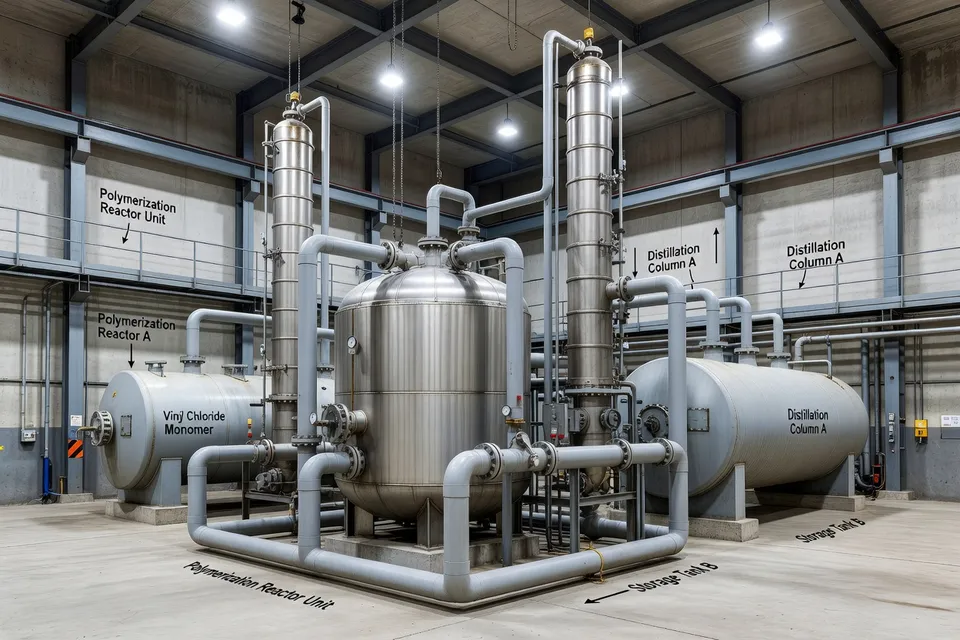
A separate April 2026 market update described European PVC as under structural pressure if construction failed to recover. It also referred to geopolitical risks and shifts in import flows. That context places the September investigation against a market in which supply routes and end-use demand were already unsettled.
The April update does not provide a common tonnage or price series that can be combined with the September import-growth figure. It cannot show whether the reported increase came from displaced domestic production, weak European demand, lower-priced imports, changes in inventory or a combination of those factors. Those questions remain open until the Commission or trade statistics provide the underlying series.
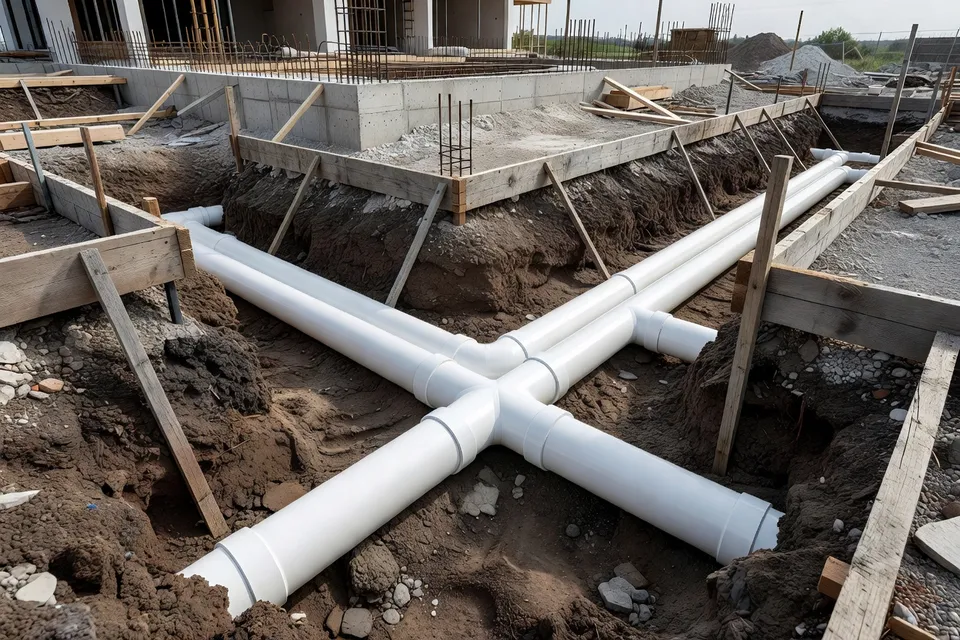
The construction constraint is material for converters. Anti-dumping action can affect the landed cost or availability of imported suspension PVC, while weak construction demand can limit a converter’s ability to pass through any increase. The packet does not report a European PVC contract price for September 2026, so it cannot support a claim that the investigation had already lifted prices.
Global resin prices do not set the European PVC benchmark
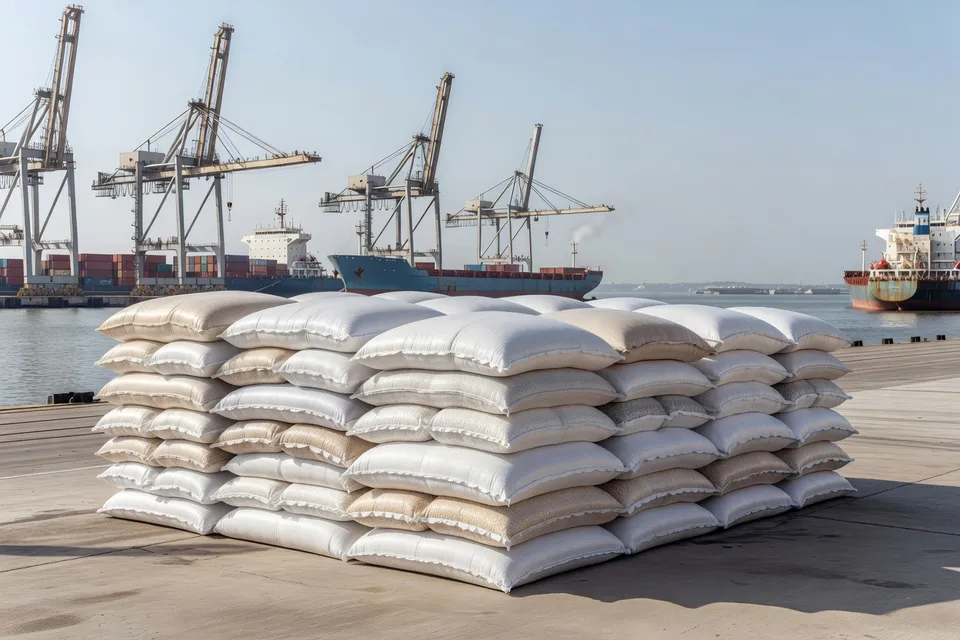
Plastics Technology reported in May 2026 that prices for all volume commodity resins had moved higher amid shipping disruptions in the Middle East, with further increases projected at that time. The report described a particularly tight spot market and said exports had absorbed available pellet supply.
Those observations are global and are not a European PVC price benchmark. They do not identify suspension PVC imports from the four origins named in the European investigation, nor do they measure the effect of the September Commission action. The information is relevant as foreign supply-chain context, but it cannot replace an EU PVC series.
An earlier Plastics Technology report dated March 2026 described prices for PE, PP, PS, PVC and PET as flat or higher. The source packet does not provide the figures needed to compare that March description with the September European investigation on the same unit, geography and product definition. The two reports therefore indicate broader resin-market volatility rather than a measured PVC response in Europe.
What processors can verify next
European processors will need three separate checks before treating the investigation as a purchasing event:
- Whether their suspension PVC grade falls within the Commission’s product scope.
- Whether an offered cargo originates in China, South Korea, Taiwan or Mexico.
- Whether a contract assigns responsibility for any provisional or definitive duty introduced during the delivery period.
The available sources do not report a duty rate, a provisional measure date, a hearing outcome or a final injury determination. They also do not disclose the import tonnage behind the reported 100% increase. Those missing fields prevent a calculation of exposure by origin, supplier or converter segment.
For producers, the next useful evidence is not another broad resin forecast. It is the Commission’s published case documentation: the product definition, investigation period, complainant information, injury analysis and any provisional-measure timetable. For buyers, customs data and supplier declarations will determine whether an apparently cheaper offer remains comparable after origin and trade-defense risk are assigned.
The September 2026 investigation changes the procedural status of four-origin suspension PVC imports, but it does not yet close the commercial question. The next checkable event is the Commission’s next case publication or measure affecting China, South Korea, Taiwan and Mexico.
Editorial Insights
- How can a buyer determine whether a PVC offer is actually covered by the investigation?
- Ask for the exact product description, customs classification and country of origin before comparing the offer. The case concerns defined suspension PVC imports from China, South Korea, Taiwan and Mexico; it does not automatically cover every PVC grade, exporter or destination. Do not rely on a trader’s statement that material is “Asian” or that the grade matches a familiar code. File the supplier declaration, origin evidence and classification against the purchase order, because a low-priced offer can become non-comparable if its scope or origin is unclear.
- Should processors reject imported PVC offers before provisional duties are announced?
- No. An investigation is not a duty notice, and the article reports no provisional measure, duty rate or price increase. Keep the offer under review, but require the contract to state who carries any provisional or definitive duty introduced during the delivery period. The usual failure is treating a possible trade remedy as an immediate landed-cost fact, then either paying too much for replacement resin or discovering that a supposedly cheap cargo has an unresolved customs exposure.
- What contract language matters most while the PVC case is open?
- Check the duty, origin and delivery-risk clauses line by line. The contract should identify the liable party for any trade-defense charge, define the relevant customs event, and specify whether the price can be adjusted or the shipment cancelled if the measure changes before clearance. A freight reduction does not remove resin-line exposure: a cargo can look cheaper on a delivered quote while the duty responsibility remains ambiguous. Procurement, logistics and legal owners need the same written interpretation before release.
- Can the reported 100% import increase show which origin presents the greatest purchasing risk?
- No. A percentage increase alone cannot rank China, South Korea, Taiwan or Mexico. First obtain the underlying tonnage, value, reference period and country split, then compare those figures with the supplier’s declared origin and your own receipts. Otherwise, a buyer may build a country-specific sourcing decision on a headline number that combines very different volumes, inventory movements or route changes. The investigation creates a case scope, not an exposure calculation.
- What evidence should suppliers and processors monitor next?
- Assign one owner to the Commission’s case file and record each publication against the product definition, investigation period, injury analysis, participation deadlines and any provisional-measure timetable. Processors should pair that record with customs entries, supplier origin declarations and open contract quantities. Do not substitute global resin forecasts or broad freight commentary for an EU PVC benchmark; those sources may explain supply-chain pressure but cannot prove that this investigation changed a specific European offer. The failure mode is having market commentary ready while the purchase file lacks the documents needed to price or defend the cargo.
References
- 1.European Rubber Journal. (2026, October 1). ERJ Business Briefing - 2026. European Rubber Journal.
- 2.Plastics Information Europe. All articles. Plastics Information Europe.
- 3.Plastics Information Europe. All articles. Plastics Information Europe.
- 4.Plastics Information Europe. All articles. Plastics Information Europe.
- 5.eChem International. Plastic and rubber market. eChem International.
- 6.PRWeb. ResinSmart says resin buyers still have leverage in September. PRWeb.
- 7.Plastics Technology. May 2026 price trajectory for all resins shifts sharply upward. Plastics Technology.
- 8.Plastics Technology. March 2026 prices up for PE, PP, PS, PVC; PET flat. Plastics Technology.