


Borouge International has used its first months as a combined company to change its leadership and put capital behind a wider polyolefin portfolio. The group was formed in March through the combination of Borouge Plc, Borealis and NOVA Chemicals. Since then, it has appointed a chief financial officer and chief commercial officer, announced new recycling investments in Europe and continued capacity work in cable materials.
That is a restructuring program, not yet a completed operating result. The company has identified more than $500 million of EBITDA synergies, with approximately 75% targeted for realization within three years. The statement is a company target. It does not establish how much has already been captured, or which business units will deliver it first.
The new management structure
Borouge International (Borouge Group International AG, the polyolefins group formed through the combination of Borouge Plc, Borealis and NOVA Chemicals) appointed Patrick Jany as chief financial officer effective 1 May. Jany joined after serving as executive vice president and CFO of A.P. Moller–Maersk. Daniel Turnheim remained interim CFO until the appointment took effect.
The owners had already named Roger Kearns as chief executive officer, Dr. Stefan Doboczky as chief commercial officer and Dr. Hasan Karam as chief operating officer. The appointments assign ownership of finance, commercial execution and operations while the three legacy businesses are brought under one governance structure.
Borouge International also appointed Roland Janssen as chief commercial officer in September. The company's public newsroom therefore records a leadership structure that has continued to develop after the original executive announcement. The commercial brief is clear: connect the inherited businesses to one customer platform. The execution question is less tidy. No source figure identifies the revenue, volume or margin contribution delivered by that change in the reported period.
The second-quarter disclosure gives the first hard operating boundary. Adjusted EBITDA margin was 33.0%. Higher selling prices helped, but lower volumes and higher distribution costs, particularly in the Middle East and Asia, offset part of that benefit. Plants in North America and Europe ran at high utilization, while UAE production was reduced to 60% in the quarter after asset damage from a 5 April incident. Full asset availability was restored by the end of June.
The UAE repair is a closed event. The regional supply risk is not. The company said recovery in utilization rates would depend on the level of free maritime traffic through the Strait of Hormuz. That condition matters more to a buyer than the new titles do. A customer can recognize a new management chart; it still needs unrestricted material flow.
The portfolio being assembled
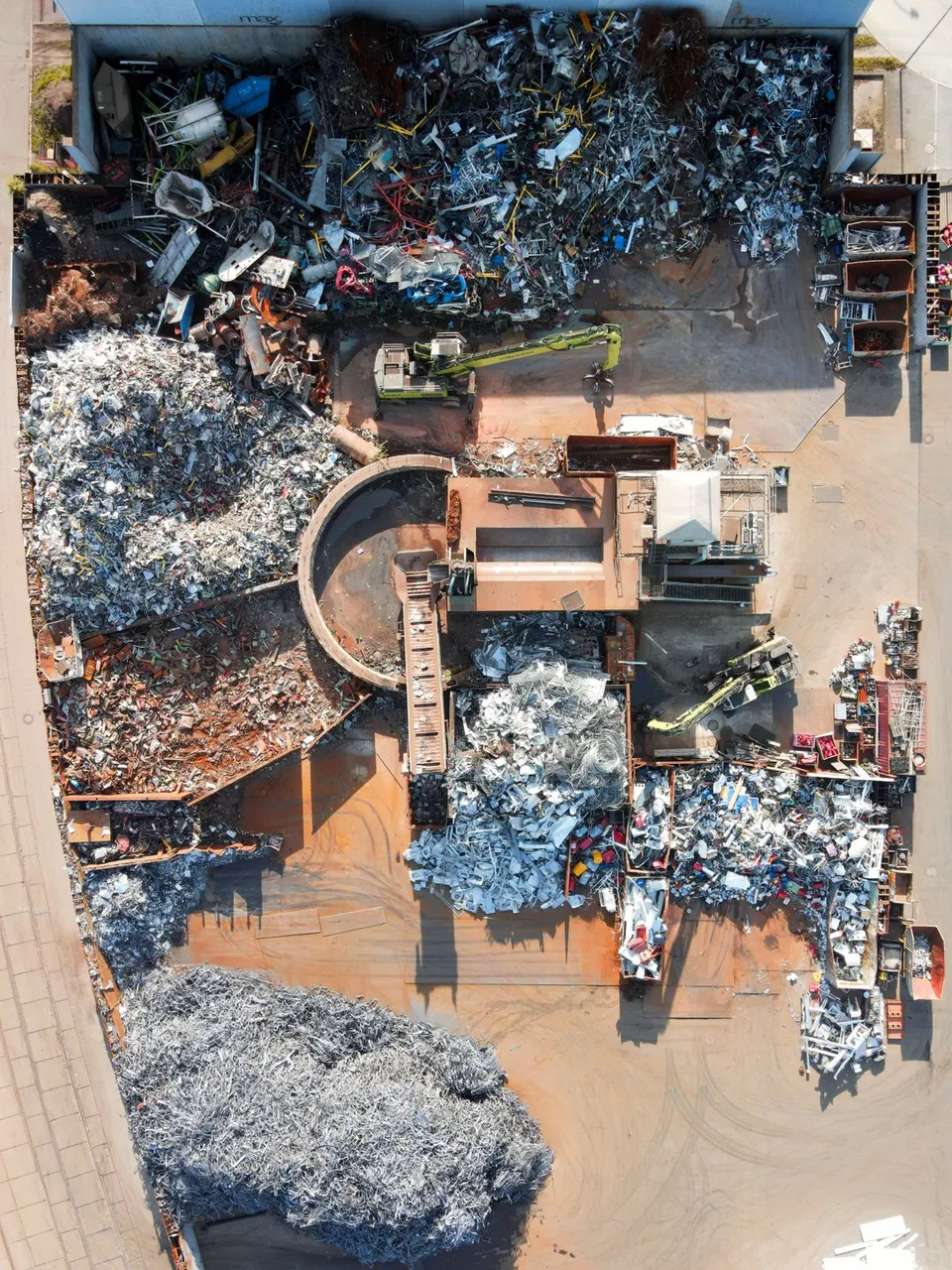
The restructuring is moving beyond governance. Borouge International announced investments to expand European mechanical recycling capacity at sites in Niedergebra, Germany, and Wildon, Austria. The newsroom did not provide a capacity figure for those projects in the available material. The investment confirms the direction of the portfolio but not the tonnes that processors can yet contract.
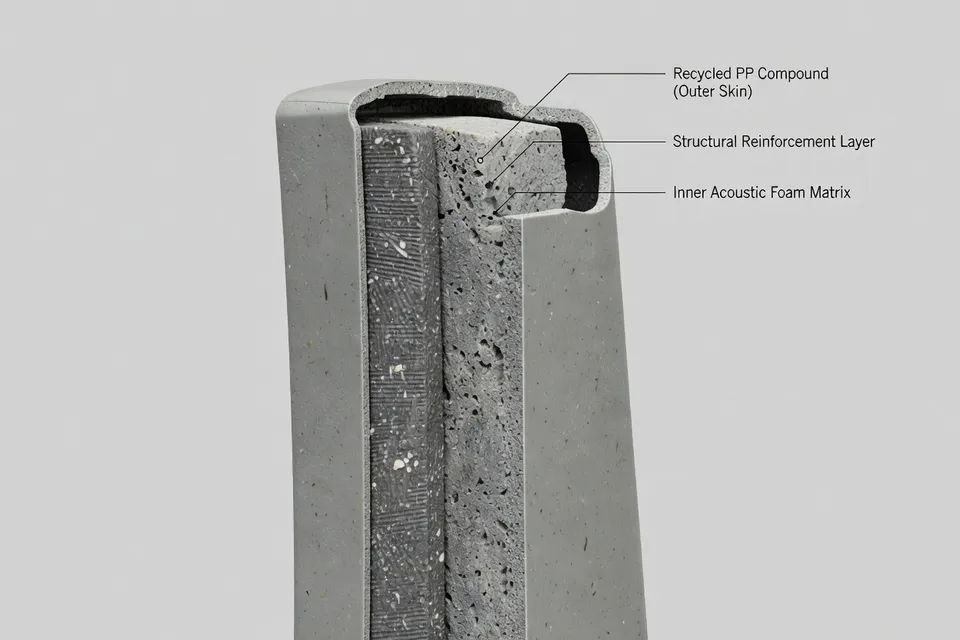
The company has also placed recycled polypropylene into the mobility offer. Borcycle GE2331SY was launched as a high-performance recycled PP compound for structural automotive components. The announcement describes the grade and its intended application. It does not provide a plant trial result, customer qualification schedule or vehicle-program volume. Automotive buyers will treat that gap as material. A product launch is not the same as an approved part.
Cable materials offer a firmer capacity marker. Borouge International said its second XLPE plant under the Borouge 4 project in Ruwais, UAE, had been commissioned earlier in 2026, adding 100,000 tonnes a year. It is also progressing plans for a semiconductive compound facility in Cheonan, South Korea, while construction has begun at its Stenungsund, Sweden, site to increase XLPE production for power-cable insulation.
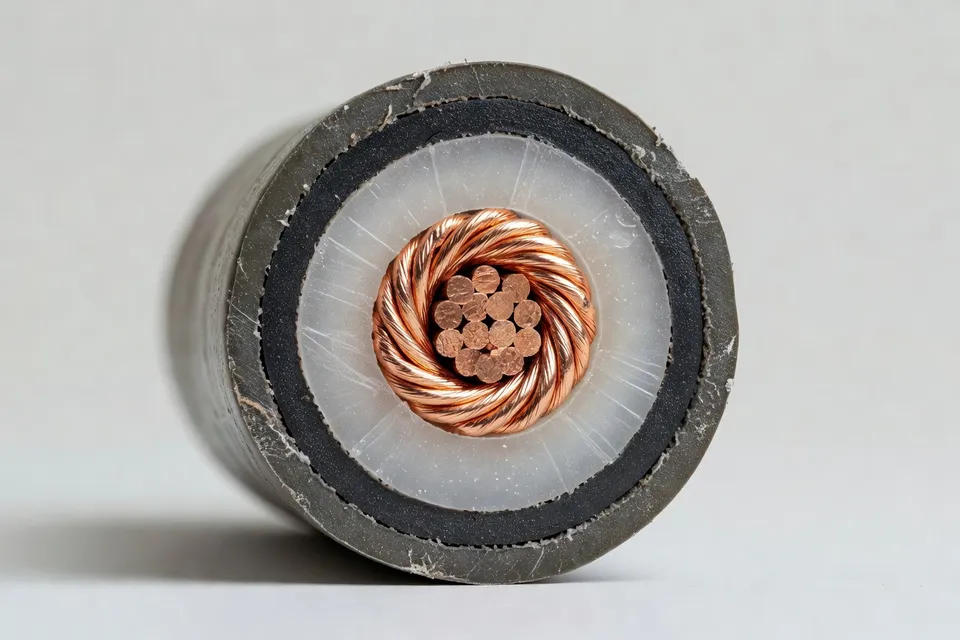
The projects divide into different evidence classes. Ruwais has a commissioned plant and a stated annual addition. Cheonan remains a planned facility in the disclosed material. Stenungsund has construction under way, but no added capacity figure is given. Those distinctions should survive into any customer forecast.
| Cable-materials asset | Status | Capacity or timing disclosed |
|---|---|---|
| Borouge 4 XLPE plant, Ruwais, UAE | Second plant commissioned | 100,000 tonnes/year added |
| Semiconductive compound facility, Cheonan, South Korea | Plans progressing | Not disclosed |
| XLPE expansion, Stenungsund, Sweden | Construction begun | Not disclosed |
Ruwais is the only row with both an operating action and a stated tonne figure. The other two assets support a forward portfolio claim, not a current supply guarantee.
The financial check
Borouge International reported that price benchmarks increased by an average of 50% in the second quarter compared with the first quarter of 2026. The company attributed the rise to a global polyolefin shortage linked to regional developments in the Middle East. Its adjusted EBITDA margin reached 33.0%, even as volumes declined and distribution costs rose.
Those figures are useful but narrow. They describe a quarter in which market pricing helped the combined group. They do not isolate synergy savings from price effects, nor do they show whether the enlarged portfolio has improved the underlying cost position. The company expects seasonally lower pricing in the second half of 2026. It also warned that margins may reduce if average selling prices fall faster than input and logistics costs.
For converters and compounders, the operational issue is therefore not whether Borouge International has broadened its product list. It has. The issue is whether the new structure can protect availability while the group integrates its businesses, restores dependable UAE utilization and expands recycling and cable capacity in separate geographies.
The company's own numbers leave that test open. A 33.0% adjusted EBITDA margin is a reported result. More than $500 million of identified synergies is a target. The 100,000-tonne Ruwais addition is a commissioned asset. Cheonan and Stenungsund are still project steps. Treating those four items as one completed restructuring would overstate the filing.
Borouge International's next named financial checkpoint is its third-quarter 2026 results, but the supplied material does not disclose the publication date. Until then, the next measurable proof is not another appointment. It is whether the integrated group converts its new management structure into stable volumes, captured synergies and contracted output from the assets it says are expanding.
Editorial Insights
- How should a buyer treat the announced EBITDA synergies when reviewing a supply or pricing proposal?
- Ask for the bridge from the reported result to the synergy target, separating procurement, logistics, overhead, and commercial effects from price-driven margin gains. Do not price in the full target as an achieved saving: the disclosure identifies more than $500 million and a planned realization schedule, but it does not show captured savings by business unit. The usual failure is treating a strong quarter during a shortage as proof that integration has permanently lowered the supplier’s cost base.
- What evidence is needed before the new cable-material capacity can support a committed volume forecast?
- Separate the commissioned Ruwais addition from the projects still in planning or construction, then request a written allocation, ramp profile, qualification status, and delivery point for the grade. The 100,000-tonne annual addition is an operating capacity marker; it is not automatically available to every customer or every cable application. A forecast can fail when a buyer converts nameplate capacity into contracted supply without checking ramp-up losses, product approval, maritime access, and regional logistics.
- Can a recycled PP compound launch be approved for a structural automotive part on the product announcement alone?
- No. Require the grade specification, recycled-content definition, contaminant controls, lot-to-lot data, mechanical and aging results, processing window, and the customer’s part-validation plan before treating it as an approved source. A launched compound can demonstrate portfolio intent without proving performance in a molded component or vehicle program. The common miss is matching nominal properties on a datasheet while overlooking odor, appearance, weld-line strength, dimensional drift, or supply consistency from the recycling stream.
- Which logistics condition still needs to be written into a resin supply agreement after the UAE asset has returned to full availability?
- Put the route, load port, alternate port, transit time, allocation rule, and notification trigger into the agreement rather than relying on restored plant utilization. Full asset availability closes the repair issue; it does not remove exposure to restricted maritime traffic or higher distribution costs. The usual mistake is checking plant status while leaving the freight lane undefined, so the resin line still stops when vessels are delayed or the supplier reallocates material by region.
- How should procurement distinguish a genuine cost improvement from a quarter lifted by polyolefin price benchmarks?
- Reconcile the offer against a feedstock-linked resin index, freight basis, currency, surcharge mechanism, and the supplier’s volume and service assumptions. A reported 33.0% adjusted EBITDA margin shows quarter performance, not the underlying cost of every grade or the savings passed through to customers. Refuse a permanent price concession justified only by a temporary margin number: when selling prices fall faster than input and logistics costs, the supplier may defend margin through allocation, lead-time changes, or reduced flexibility.
References
- 1.European Rubber Journal. (2026, September 23). ERJ Appointments Tracker - 2026. European Rubber Journal.
- 2.European Rubber Journal. (2026, October 8). ERJ Business Briefing - 2026. European Rubber Journal.
- 3.Zilla Capital. (2026, October 8). MMT: Saudi Arabia expects a wider 2026 deficit of 4.9% of GDP, narrowing to 3.6% in 2027. Zilla Capital.
- 4.Plastech. Plastics. Plastech.
- 5.chemeurope.com. Plastics news. chemeurope.com.
- 6.plasticker. Special topics. plasticker.
- 7.Borouge International. News and insights. Borouge International.
- 8.Plastics Information Europe. News. Plastics Information Europe.