


Heavy rainfall in Thailand, unseasonal winds across producing regions, haze in Indonesia and congestion at Côte d'Ivoire's ports are tightening natural-rubber logistics in October. The physical problem is narrower than the price headline: growers are losing tapping days, latex collection is becoming less reliable, and shipments can wait even when material exists at origin.
Malaysia's Standard Malaysian Rubber 20 (SMR 20) reached 1,061 sen per kilogramme on Oct. 9, the highest level since May 9, 2012. Bulk latex stood at 769 sen per kg the same day. A day earlier, SMR 20 had closed at 1,051.5 sen per kg while bulk latex rose to 767 sen per kg. The move confirms a tighter regional balance, but it does not by itself prove a universal shortage for every grade or destination.
Thai plantations
Thailand carries the clearest physical damage in the available reporting. Floods and heavy rainfall in the east damaged around 22,636 hectares of rubber plantations and affected 7,679 growers. Tapping activity was disrupted, reducing the flow of cup lump and latex into collection channels.
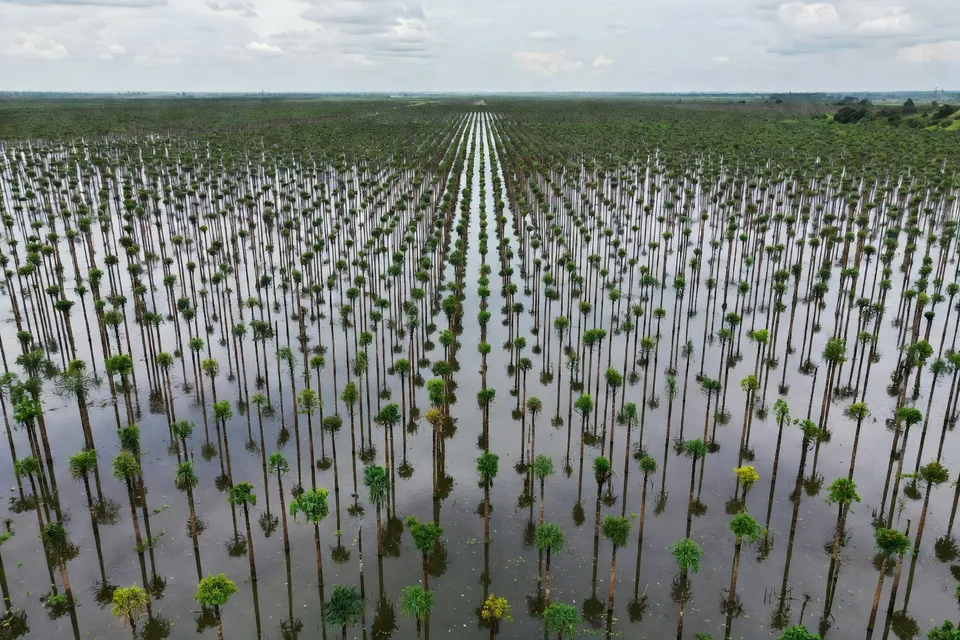
That distinction matters to processors. A dealer described shortages of raw material and shipment delays across major producing regions, but the reported plantation damage is specific to eastern Thailand. It supports a regional procurement problem, not a blanket statement that every Thai-origin contract is unavailable. Buyers still need confirmation by province, grade and collection week.
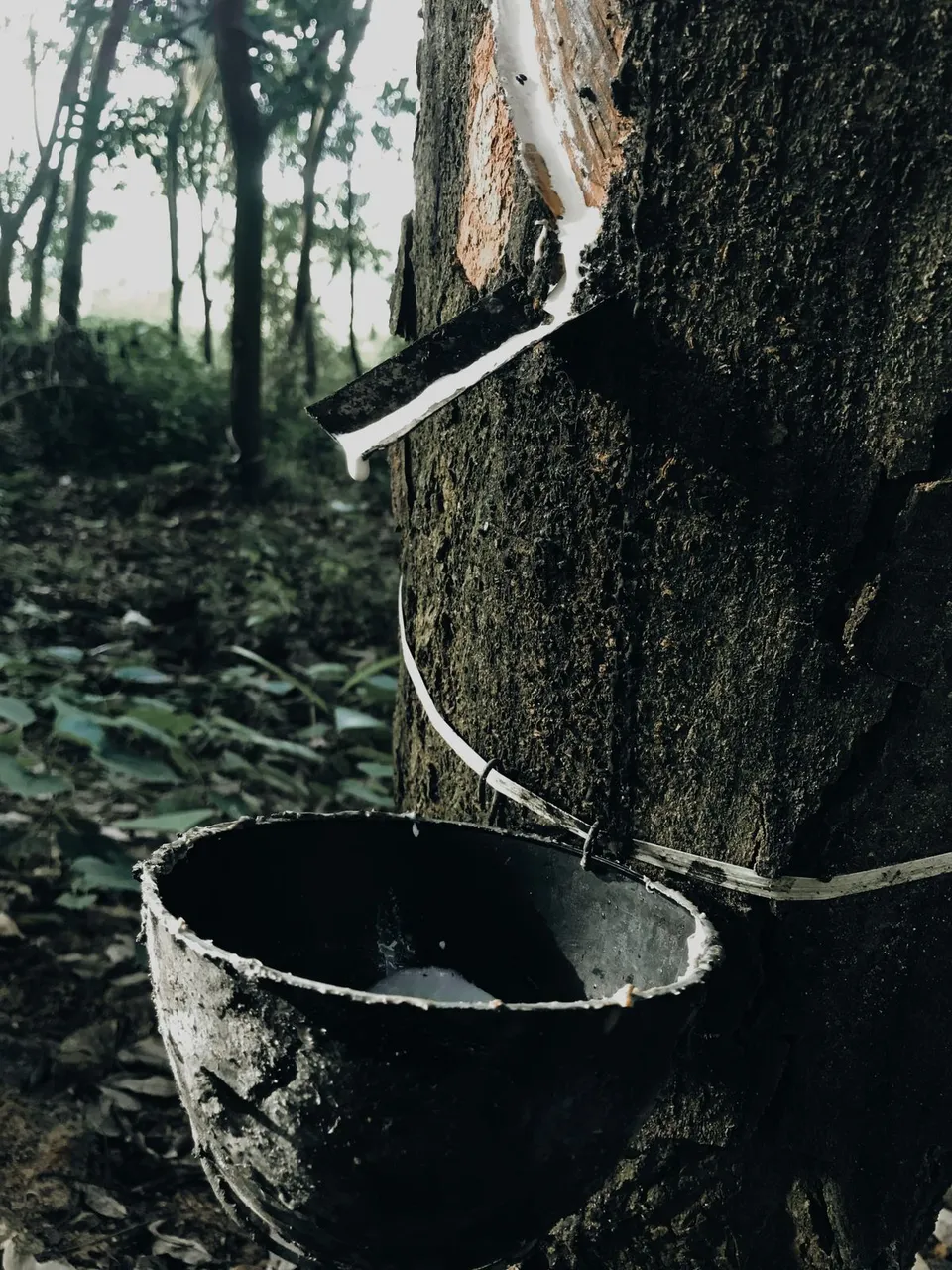
Unseasonal strong winds and rainfall also curtailed the supply of bulk and dry rubber ahead of the monsoon season. In practical terms, weather is taking away operating hours rather than closing a named production plant. That can create uneven truck arrivals, smaller lots and less dependable loading schedules without producing a formal force majeure.
The price sequence below uses Malaysian reference values reported for October 2026. The two materials did not move identically, which is another reason not to treat the market as one undifferentiated shortage.
Malaysian SMR 20 and Bulk Latex Prices, October 2026
| Date | SMR 20 (sen/kg) | Bulk latex (sen/kg) |
|---|---|---|
| Oct. 1 | 1038.5 sen/kg | 746 sen/kg |
| Oct. 7 | 1056 sen/kg | 764 sen/kg |
| Oct. 9 | 1061 sen/kg | 769 sen/kg |
| Reporting point | SMR 20 (sen/kg) | Bulk latex (sen/kg) |
|---|---|---|
| Oct. 1 close | 1,038.5 | 746 |
| Oct. 7 close | 1,056 | 764 |
| Oct. 9 close | 1,061 | 769 |
SMR 20 gained 22.5 sen per kg between Oct. 1 and Oct. 9, while bulk latex gained 23 sen per kg over the same Malaysian reference period. The figures show a firmer market; they do not provide a shipment lead time.
Collection and port routes
The logistics constraint extends beyond Thai fields. Haze in Indonesia was cited as affecting supply, while port congestion in Côte d'Ivoire caused shipment delays. Those events belong to different producing and exporting routes, so they should not be collapsed into one regional transit estimate.
For a converter, the immediate question is not whether the headline price is high. It is whether the nominated supplier can confirm a loading date, origin, specification and replacement volume. The notices identify shipment delays in Côte d'Ivoire, but they do not name a revised sailing, queue duration or alternative port. No universal lead time can be assigned from that information.
The same limit applies to Indonesian material. Haze is reported as a supply disturbance, but no plant outage, port closure or quantified production loss is established. A buyer can treat Indonesian availability as exposed and ask for confirmation; a buyer cannot treat every Indonesian cargo as late.
Latex and dry rubber
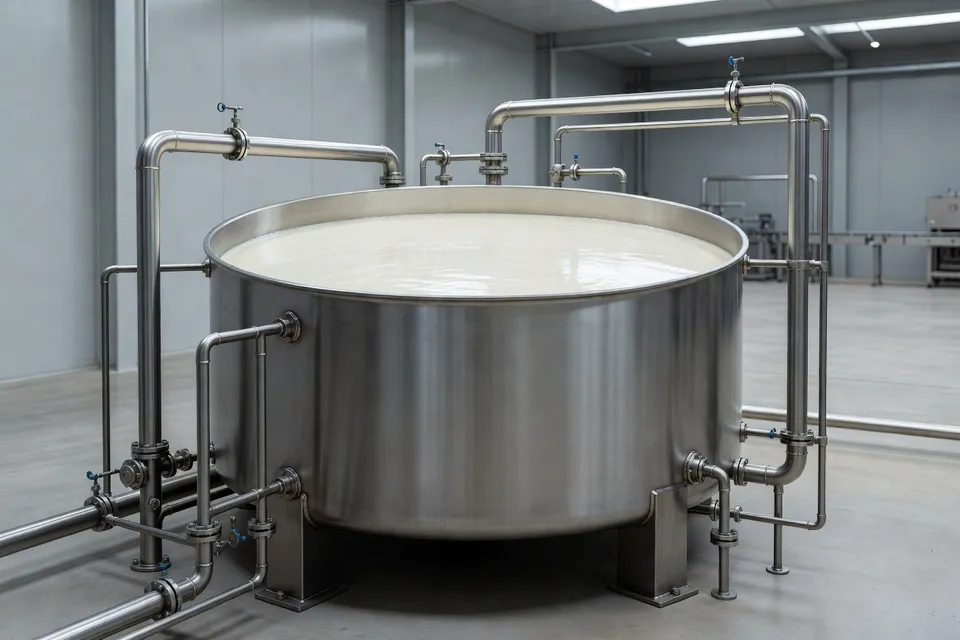
Latex appears particularly exposed because collection depends on daily tapping and short transport intervals. Bulk latex rose from 746 sen per kg on Oct. 1 to 769 sen per kg on Oct. 9. The market commentary also linked a shortage of bulk latex with speculative buying, which can amplify procurement pressure before a physical deficit is measured.
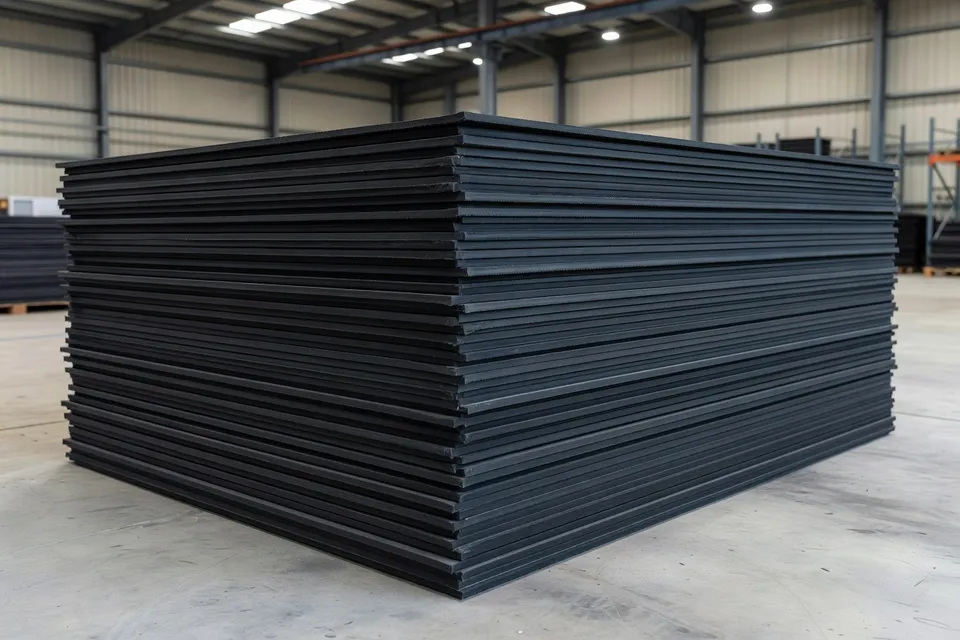
Dry rubber has a different handling chain. The October commentary said strong winds and rainfall curtailed both bulk and dry rubber, but it did not provide a named producer, plant-rate reduction or grade-specific allocation. Rubber processors should therefore separate a weather-related collection interruption from a confirmed dry-rubber allocation. The first calls for tighter delivery checks; the second would require a supplier notice.
MARGMA expected the market to remain mixed and range-bound in the following week, citing China, US inflation expectations and supply-chain disruptions. That view conflicts with the more bullish expectation that prices would trend higher because of supply constraints. The divergence is useful: physical availability is tightening, but demand and financial-market signals can still cap or reverse prices.
What buyers can confirm
The strongest operational fact is the Thai plantation damage figure, followed by the Oct. 9 Malaysian benchmark. Neither establishes a standard lead time. Suppliers have not set a general allocation in the notices, and no producer has announced a plant restart window.
A buyer placing October or early-November orders should ask for four items in writing: the origin of the lot, the last tapping or collection date, the confirmed loading date and the quantity that can be replaced if weather interrupts the nominated route. For Côte d'Ivoire cargoes, the missing item is a revised sailing or port plan. For Thai material, it is a delivery commitment tied to the affected producing area rather than a regional assurance.
The price rise also needs discipline. SMR 20 at 1,061 sen per kg is evidence of a firmer Malaysian reference market and a multi-year high. It is not evidence that every rubber grade is short, and it is not a substitute for a supplier's allocation notice. A force majeure, if later declared by a named producer, would change that assessment; the October reports do not record one.
The next dated signal is the market's expected trading direction for the week after Oct. 10, when supply constraints ahead of the monsoon season were expected to support Malaysian rubber. No restart window for the affected plantations or delayed Côte d'Ivoire shipments has been given.
Editorial Insights
- Does the SMR 20 price prove that every natural-rubber order is at risk?
- No. Use the benchmark as evidence of a firmer reference market, not as a substitute for a supplier allocation notice. Ask for the nominated lot’s origin, grade, confirmed loading date and replaceable quantity; a second source may match the grade but still fail to cover the same loading week or destination. The reported movement in SMR 20 and bulk latex supports tighter conditions, but it does not establish a universal shortage or lead time.
- What should a buyer require before accepting a Thai-origin delivery commitment?
- Ask the supplier to tie the commitment to the producing area, collection week, specification and confirmed loading date. A regional assurance is too broad when rainfall has disrupted tapping unevenly across eastern Thailand. Require the last tapping or collection date and the quantity that can be replaced if weather interrupts the route. The usual failure is accepting a country-level promise, then discovering that the nominated collection channel cannot produce the contracted lot.
- How should latex availability be checked differently from dry-rubber availability?
- Check daily collection and short-haul movement for bulk latex, because tapping interruptions can affect arrivals quickly. For dry rubber, request confirmation of the specific grade, plant allocation and loading plan rather than inferring a shortage from raw-material reports. The article identifies pressure on both materials but does not establish a grade-specific dry-rubber allocation. A buyer who treats the two handling chains as interchangeable can secure a price and still miss the required physical form.
- What documents are still missing when a Côte d’Ivoire shipment is reported as delayed?
- Require a revised sailing date, port plan, queue status and confirmed quantity before changing the production schedule. A notice that cargo is delayed establishes a logistics problem, but it does not establish how long the delay will last or whether an alternative port is available. Do not turn that report into a universal transit estimate; congestion can delay one route while another remains usable.
- How much protection does extra natural-rubber inventory provide during weather disruption?
- Inventory protects only the coverage window it actually represents. Compare on-hand stock and confirmed inbound volume with the consumption plan, then separate bulk latex from dry rubber and check shelf-life or handling limits where applicable. Higher prices can trigger premature buying, while freight disruption can leave material waiting at origin rather than moving into stock. Extra coverage is therefore useful only when the lot, loading date and replacement plan are documented.
References
- 1.BERNAMA. (2026, October 9). Rubber market ends higher. BERNAMA.
- 2.BERNAMA. (2026, October 1). Rubber market ends higher on supply concerns. BERNAMA.
- 3.BERNAMA. Rubber market ends higher. BERNAMA.
- 4.Business Recorder. Rubber market update. Business Recorder.
- 5.Trading Economics. Rubber market news. Trading Economics.
- 6.Trading Economics. Rubber market news. Trading Economics.
- 7.Japan Exchange Group. The weekly rubber futures report. Japan Exchange Group.
- 8.Rubber World. Natural rubber prices at multi-year highs. Rubber World.