


North American polyethylene and polypropylene did not settle September 2026 on the same logic. Polyethylene suppliers pursued higher numbers against tighter domestic availability and higher ethylene costs, while polypropylene followed propylene lower. The result was a split market: PE pricing was an attempted increase with uneven implementation, whereas PP carried a measurable reduction.
The usable number for buyers is the PP settlement. September polypropylene prices fell 4 cents per pound, in step with propylene monomer. The change was reported by PCW's David Barry, Spartan Polymers' Scott Newell, TPE's Michael Greenberg and RTi's Paul Pavlov. That is a contract-linked movement, not a broker indication, and its basis is clear: the resin change tracked the monomer change.
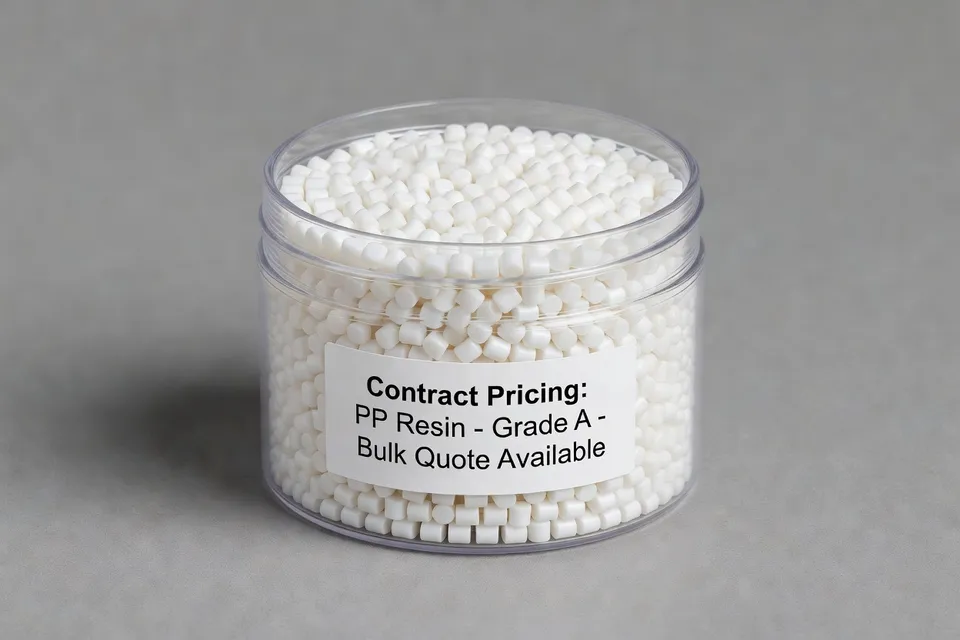
Polyethylene is less clean. Suppliers had carried a 5-cent-per-pound increase into September, but the market did not broadly validate it. ExxonMobil reduced its proposed increase to 3 cents per pound, and the available market view was that implementation was unlikely. Spot PE commodity grades were reported flat at September's end. A buyer should therefore separate the posted nomination from the invoice settlement. They are not the same number.
The September numbers
The comparable North American contract movements reported for the September 2026 period are limited to the following figures:
| Resin | September 2026 movement | Basis |
|---|---|---|
| Polyethylene | Flat to unsettled; 3¢/lb increase nominated | Ethylene cost and domestic supply |
| Polypropylene | Down 4¢/lb | Propylene monomer |
PP is the only row with a clear implemented direction. PE's 3-cent-per-pound figure belongs to a supplier nomination, not a confirmed market settlement. Treating both as completed increases or decreases would blur the contract record.
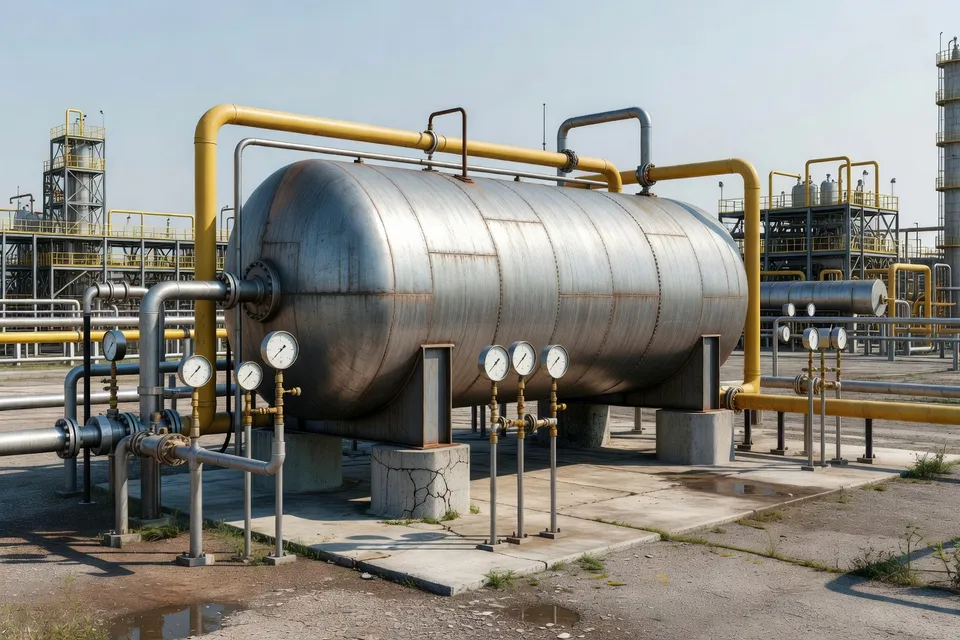
Polypropylene followed propylene
Polypropylene's September decline was feedstock-led. The resin did not need a separate demand explanation when the reported movement tracked propylene monomer directly. The 4-cent-per-pound reduction also followed a prior period in which PP had moved down with the same cost reference. For a compounder buying on a formula, the open question is not whether PP weakened; it is how quickly the lower monomer basis reaches the particular grade, producer and contract formula.
The reported material does not establish one uniform number for every PP grade. It gives the commodity-resin movement. A buyer should not extend that figure automatically to specialty copolymers, reinforced compounds or imports. Regional basis, freight and grade premiums remain unpriced in the September comparison.
The US PP indication must also stay separate from the European material shown in the same reference set. European PP and European HDPE are different regional observations. Neither can be used to reset a North American contract. That distinction matters more when the North American market is already splitting between a formula-linked PP decline and an unconfirmed PE increase.
Polyethylene met the supply argument
PE's upward case rested on tighter supply, good domestic demand and higher ethylene monomer prices after outages at three major producers. Those factors support a seller's attempt to raise price, but they do not prove that the proposed increase cleared the market. The September evidence supports pressure, not a clean settlement.

That is the point buyers should carry into negotiations. A supplier nomination can establish the ask. It cannot establish the transaction unless the market records implementation. The reported flat spot PE market at the end of September cuts against a blanket claim that all PE grades advanced by 3 cents per pound.
The same separation applies to the feedstock spread. Higher ethylene costs can narrow or erase a converter's margin if resin moves less than monomer. But the available figures do not quantify that margin. No conversion-cost index, processor margin, or grade-specific ethylene-to-PE spread is established here. The article can call PE feedstock-pressured; it cannot call the move margin-led.
What remains unpriced
The September record leaves three items open. First, PE implementation by grade and account is unresolved. Second, the North American PE spot market was described as flat, but that does not supply a single contract number for every producer. Third, the PP reduction is clear at the commodity level, but the pass-through to individual grades and formulas is not specified.

Demand also should not be overstated. The PE material ties the upward attempt to good domestic demand, while the PP material ties the reduction to propylene. Those are different explanations for different resins. There is no basis here for describing the split as a broad converter-margin event or for assigning a capacity story to either settlement.
For buyers, the practical ranking is straightforward: PP has the firmer September signal because the 4-cent-per-pound decline is linked to the propylene contract. PE has the weaker price claim because the 3-cent-per-pound move was a nomination that met resistance from flat spot pricing. The market is feedstock-led in PP and feedstock-plus-supply pressured in PE, but PE implementation remains unproven.
The next contract month is October. PE suppliers had pushed the proposed increase into that month, while PP was exposed to the next propylene movement. Until those numbers are settled, a PE nomination should remain an ask and the September PP reduction should remain the cleaner benchmark.
Editorial Insights
- How should a buyer record the September PE increase in the contract file?
- Do not enter the 3¢/lb nomination as a settled increase. File the supplier notice separately from the invoice test, then compare actual September invoices by grade, account and effective date. The usual mistake is allowing a posted nomination to reset the purchase forecast before commercial implementation is documented; flat spot indications make that shortcut especially risky.
- Can a compounder apply the 4¢/lb PP reduction to every polypropylene grade?
- No. Apply the reduction first to the commodity PP basis named in the contract, then verify grade premiums, regional freight, import exposure and the formula’s pass-through timing. A specialty copolymer or reinforced grade may not move by the same amount, and treating the commodity settlement as a universal delivered price can create a false savings assumption.
- What evidence is strong enough to support a PE price challenge?
- Ask for the applicable grade basis, effective date, supply justification and invoice evidence from comparable transactions. Higher ethylene cost and tighter domestic availability support the supplier’s argument, but they do not prove that the proposed increase cleared the market. The failure mode is debating only the nomination: a buyer may win a verbal concession while leaving the original number embedded in the next invoice or in a different account formula.
- What should be checked before using September PP as the October purchasing benchmark?
- Track the next propylene settlement and map it to each contract formula before extending the September benchmark. The September PP reduction is a cleaner reference because it followed the monomer movement, but the timing of pass-through can differ by producer and grade. Do not confuse a clear commodity direction with a guaranteed October delivered cost.
- Does higher ethylene cost prove that PE processors lost margin in September?
- It does not. Measure the contract resin change against the relevant ethylene basis, conversion cost and product-grade economics before calling the move margin-led. The article establishes feedstock pressure, not a quantified processor margin loss; assuming the gap without those records can turn a legitimate cost review into an unsupported surcharge claim.
References
- 1.Plastics News. PN polyethylene prices rise in September 2026. Plastics News.
- 2.Plastics News. PN PP 9-26FE. Plastics News.
- 3.Plastics Technology. (2026, September 8). Prices of PE, PP heading up; PS, PVC moving down. Plastics Technology.
- 4.Trading Economics. (2026, October 11). Polyethylene. Trading Economics.
- 5.Trading Economics. (2026, October 12). Polypropylene. Trading Economics.
- 6.Polymerupdate. Polypropylene prices in the USA. Polymerupdate.
- 7.Polymerupdate. Polypropylene prices in Europe. Polymerupdate.
- 8.Polymerupdate. HDPE prices in Europe. Polymerupdate.