


Covestro NV (Covestro, a chemicals producer with polycarbonate and polyurethane-related operations) plans to reorganize polycarbonate production at its Antwerp site, moving the facility away from standard grades and toward specialty materials. The proposal would consolidate four operating polycarbonate lines into one and discontinue local production of bisphenol-A (BPA), the precursor used in polycarbonate production. The company began the formal information and consultation process with employee representatives on 15 October 2026, so the operating change is proposed rather than final.
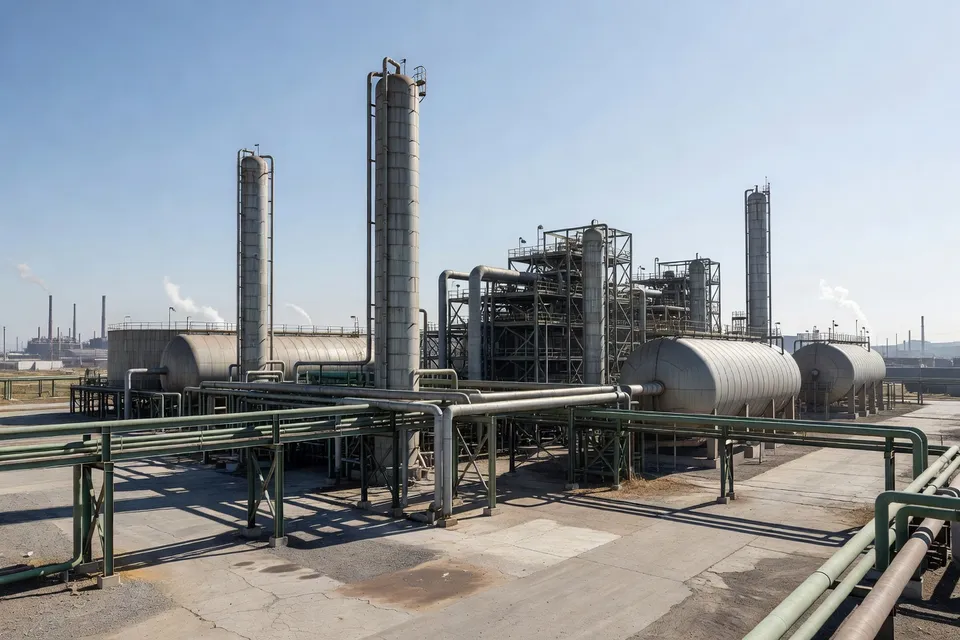
The decision is a capacity and portfolio reset, not a broad Antwerp shutdown. The remaining polycarbonate line would focus on higher-value grades, including heat-resistant APEC, while the site's aniline investment, polyether lines and technology centre are intended to continue. Covestro has not disclosed the nameplate capacity that would remain after the reorganization. That omission matters: the direction is clear, but the retained output cannot yet be used as a supply forecast.
The four-line base
S&P Global reported that Antwerp's current polycarbonate nameplate capacity is 240,000 metric tons per year and that all four lines were operational when Covestro announced the plan. The same reporting put estimated Antwerp BPA capacity at about 245,000 metric tons per year, while Covestro declined to disclose the amount that would remain after the change. The comparable operating figures are therefore the current polycarbonate base and the proposed line count, not a calculated future tonnage.
| Antwerp polycarbonate configuration | Current | Proposed |
|---|---|---|
| Operating lines | 4 | 1 |
| Nameplate capacity | 240,000 metric tons/year | Not disclosed |
The line count shows the scale of the retreat from commodity production. It does not establish that Antwerp will lose three-quarters of its saleable tonnage, because the retained line may carry a different product mix and its capacity has not been published. Treating the change as a precise 75% volume cut would therefore overstate what the announcement proves.
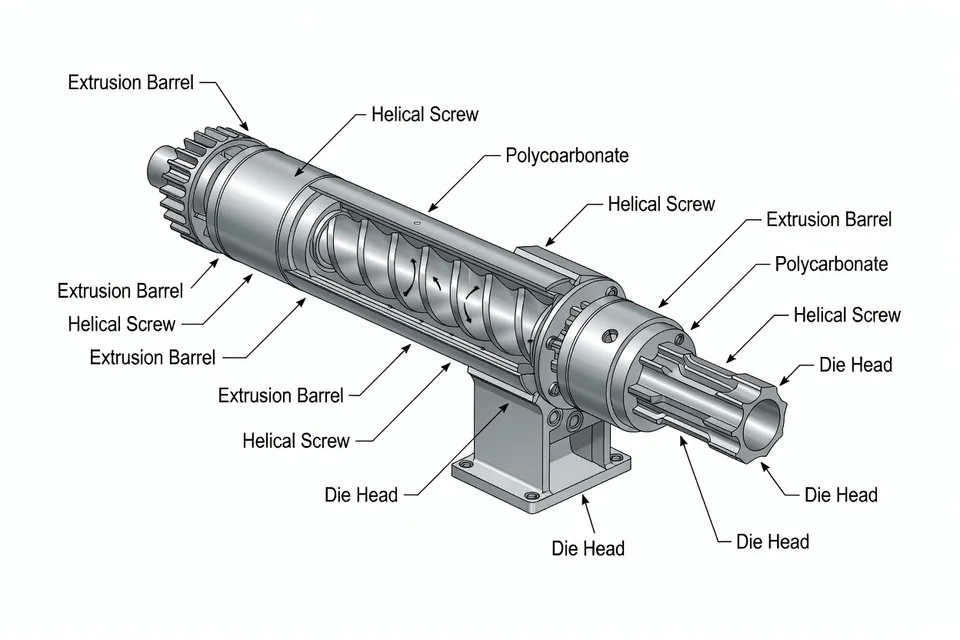
Covestro attributes the pressure to structural overcapacity in standard polycarbonate. The company says global capacity has expanded by around 30% since 2021, with much of the addition in Asia, while utilization has fallen and is expected to remain low for the foreseeable future. Local reporting also put the capacity increase at more than 30% since 2020. The differing base years describe the same direction, but neither figure is a measurement of European demand or Antwerp's future utilization.
The retained line
The remaining line is intended to make Antwerp a narrower European supply point for specialty polycarbonate rather than a full-range commodity producer. APEC, identified as a heat-resistant grade, is the clearest product marker in the plan. Its retention gives Covestro a basis for serving applications that require performance beyond standard polycarbonate, while the company can source feedstock for the line through its global network or from external suppliers if local BPA production ends.

That feedstock change separates the specialty strategy from the old integrated model. Antwerp would no longer need to carry local BPA production as part of the proposed setup, but the remaining polycarbonate operation would still depend on reliable precursor supply. Until Covestro identifies the sourcing route and the retained line's capacity, the plan demonstrates portfolio intent more strongly than secured regional volume.
The Antwerp technology centre is also outside the announced scope. Its role in global polycarbonate process technology preserves technical capability at the site even as production becomes smaller. The planned aniline unit is likewise continuing, and the polyether lines are unaffected by the proposal. These activities keep Antwerp connected to Covestro's European manufacturing network, but they should not be counted as replacement polycarbonate capacity.
The employment measure
Covestro says up to 260 employees in production and support functions could be affected out of about 970 at the site. Belgian reporting described the broader reduction as 309 positions at a workforce of 976, with the difference potentially reflecting retirements, voluntary departures or other non-dismissal routes. The company has not completed consultation, and no final decision will be taken before that process ends.
The workforce number is consequently a measure of the proposed restructuring, not a finalized headcount outcome. Local reports identify 2027 as the intended timetable for implementing the savings. Covestro's own statement says the measures are intended to strengthen the site's long-term competitiveness, while management has linked the Antwerp polycarbonate operation to continuing losses since 2022. One local report said those losses reached several tens of millions of euros in 2025; that figure indicates the burden cited for the business but does not establish the profitability of the future specialty line.
"Commodity production in Europe is increasingly difficult to operate competitively, while we continue to see attractive opportunities in high-value specialty materials," - Thorsten Dreier, chief technology officer at Covestro, said.
The quote sets the decision's boundary. Covestro is not claiming that all European polycarbonate production is being abandoned; it is refusing to carry the same commodity exposure at Antwerp. The commercial test will be whether the single line can support specialty economics after local BPA integration ends.
The next checkpoint
For processors and European buyers, the next useful disclosure is not another broad statement about overcapacity. It is the consultation outcome, followed by the retained line's capacity, grade slate and feedstock arrangement. Those details will determine whether Antwerp remains a meaningful specialty supplier or becomes a smaller qualification and strategic-production site supported by Covestro's global network.
The plan currently supports one firm conclusion: Covestro is withdrawing Antwerp from most standard polycarbonate production while preserving a specialty position. It does not yet support a future tonnage estimate. The next named milestone is the completion of the employee information and consultation process, with the proposed reduction scheduled for gradual implementation in 2027.
Editorial Insights
- Can buyers treat the proposed one-line Antwerp setup as a 75% reduction in polycarbonate supply?
- No. Use the four-to-one line change as evidence of a major retreat from standard production, not as a volume forecast. The retained line may run a different, higher-value mix, and its nameplate capacity has not been disclosed. Do not revise coverage days, qualify an alternate source, or promise customers a tonnage reduction until Covestro confirms the retained capacity, grade slate, and allocation rules.
- What must be verified before a specialty polycarbonate program is treated as a secure European supply route?
- Ask for the retained line’s capacity, approved grades, production window, and precursor sourcing arrangement. Ending local BPA production does not remove the need for reliable BPA supply; it changes the dependency from site integration to inbound network execution. The usual failure is to qualify the resin grade and ignore the feedstock route, leaving a technically approved material exposed to allocation, transport, or supplier-change risk.
- How should procurement separate specialty-grade continuity from the Antwerp site’s other activities?
- File polycarbonate supply, technology support, aniline output, and polyether production as separate planning lines. Continued activity in the technology centre or other units does not replace polycarbonate capacity and should not be counted in a resin supply model. A buyer who treats the broader site as unchanged can miss the narrower grade slate and discover too late that a standard grade has moved to another source.
- Which document should trigger a supply-risk review: the restructuring proposal or the consultation outcome?
- Use the proposal to open the review, but wait for the consultation outcome and formal implementation details before changing the approved-source record. The decisive documents are the final operating scope, retained capacity, grade list, and feedstock plan. Treating a proposed workforce measure as a completed shutdown creates the opposite problem: unnecessary dequalification, premature buying, and an inaccurate customer notice.
- What is the commercial test for moving Antwerp from commodity polycarbonate to specialty grades?
- Measure whether the remaining line can sustain qualified specialty output at a margin that covers its operating and externally sourced precursor costs. Do not infer success from the product label alone: heat resistance may support a better price, but qualification time, narrower demand, changeover losses, and feedstock logistics still determine the economics. The failure mode is to call the strategy successful because one premium grade remains listed while the line lacks enough validated demand or dependable operating time.
References
- 1.Covestro NV. (2026, October 15). Covestro NV intends to reorganize polycarbonate production at Antwerp site. Covestro Press.
- 2.Plasteurope.com. (2026, October 15). COVESTRO: Producer plans to cut Antwerp PC capacity by 75% amid global oversupply. Plasteurope.com.
- 3.VRT NWS. (2026, October 15). Chemicals giant Covestro to axe 309 jobs in the Port of Antwerp. VRT NWS.
- 4.Belga News Agency. Chemical company Covestro to cut 260 jobs at its Antwerp site. Belga News Agency.
- 5.Handelsblatt. Covestro cuts plastics production in Antwerp. Handelsblatt.
- 6.S&P Global Commodity Insights. Chemicals. S&P Global Commodity Insights.
- 7.ICIS. Bisphenol A. ICIS.
- 8.Gazet van Antwerpen. Covestro plans to cut 309 jobs in Antwerp port. Gazet van Antwerpen.