

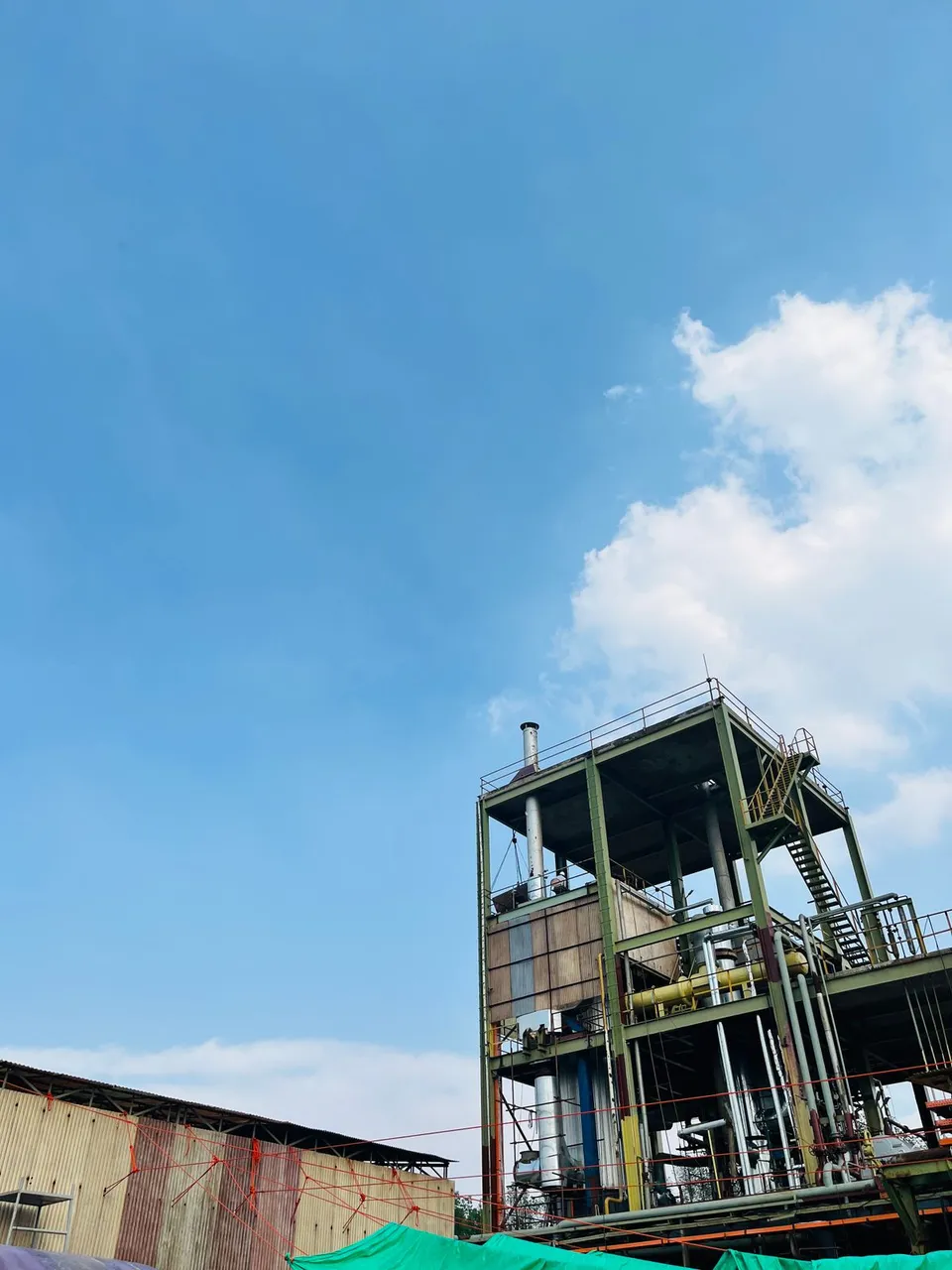
Plastipak Packaging has opened a €25 million PET Material Center in Verbania, Italy, for pakPET Single Pellet Solution, a PET resin that incorporates 30% post-consumer recycled content without asking a converter to meter separate virgin and recycled streams. That is the material change. The constraint is not the availability of recycled PET; it is getting the required fraction through an existing packaging operation without losing consistency, approval status or line discipline.
Plastipak (Plastipak Packaging, a packaging and recycling company) positions pakPET as a ready-to-use resin for food and beverage containers, home and personal-care packaging, pharmaceutical packaging and thermoformed products. Commercial availability was scheduled for August 2026, with production based at Verbania. The announced center gives the product a named manufacturing location, but it does not turn a compatibility claim into a demonstrated result on a customer's preform or bottle line.
The pellet replaces the blending step
The incumbent practice is straightforward: a converter or preform producer handles virgin PET and recycled PET as separate inputs, then controls the blend before processing. That arrangement gives the processor responsibility for the ratio, feeding behavior and qualification record. It also leaves more room for variation between lots and more material handling at the plant.
PakPET moves the 30% recycled-content requirement into one pellet. Plastipak says the formulation combines virgin PET performance with built-in recycled content and is intended as a drop-in option for established PET operations. The practical promise is narrower than a new process technology: the equipment remains, while the incoming resin specification changes.
That distinction matters to quality assurance. A single feedstock can simplify dosing and qualification, but “drop-in” does not establish identical intrinsic viscosity, color, drying behavior, acetaldehyde performance, cycle time or bottle-wall distribution for every package design. Those are the checks a converter would still need before signing off a resin change. The available product description identifies the processing route and application range; it does not report a production trial with line speed, scrap rate or mechanical results.
The product's central specification is 30% post-consumer recycled PET. The comparison below separates the declared single-pellet composition from Plastipak's broader recycled-resin position in Europe.
| Material or operation | Recycled-content figure | Location or scope | Timing |
|---|---|---|---|
| pakPET Single Pellet Solution | 30% | Verbania, Italy | Commercial availability scheduled August 2026 |
| Plastipak resin in Europe | 30% | Europe | Company product information updated October 2026 |
The figures align on percentage, but they are not the same evidence unit. PakPET is a named product made at Verbania; the European figure describes Plastipak's resin position more broadly. A processor should not treat the second figure as a line-performance benchmark for the first.
Food contact is a gate, not a plant result
PakPET is described as approved for food contact in applicable packaging applications. That removes one major barrier for food and beverage converters, but the wording leaves the approval attached to the relevant application and conditions. It does not mean that every bottle, closure, tray or thermoformed package can be transferred without its own compliance review.
Traceability is the stronger operational feature. Plastipak says the post-consumer feedstock is certified under EN 15343, the European standard associated with recycling traceability and recycled-content assessment. That gives a brand owner a documented basis for substantiating the recycled fraction. It also gives the converter a material record that is cleaner than an undocumented blend assembled from separate streams.
The constraint remains specification control. Traceability can establish where the recycled input came from and how its content is assessed; it cannot by itself prove that a preform meets a customer's color, IV, top-load, burst, drop-test or shelf-life requirements. Those tests remain part of the qualification package.
Verbania is the test of the claim
The new center matters because Plastipak is not presenting pakPET only as a laboratory blend. Verbania already manufactures virgin PET resin and has a pilot PET resin line for smaller batches and material development. The company also operates five recycling centers globally and reports recycling more than 425 million pounds of post-consumer material annually. Those assets support supply and formulation control, but they still do not document a customer's commercial run with pakPET.
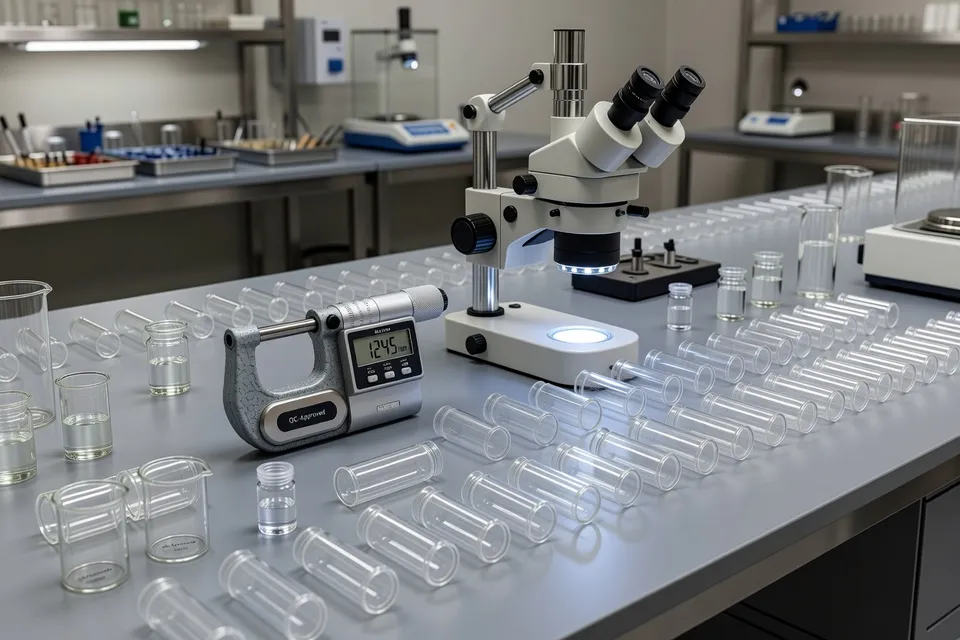
For the first reader—the processor—the next useful evidence is not another sustainability claim. It is a controlled comparison against the incumbent resin on the same equipment, package and geography. The trial should record drying conditions, melt behavior, cycle time, IV retention, color, scrap, throughput and the finished package's required performance. Without that set, “consistent packaging performance” remains a supplier claim rather than a released production specification.
The single-pellet format does solve a real plant problem: it removes the need to blend separate virgin and recycled PET streams at the converter. It may shorten qualification work and reduce handling, particularly where the buyer needs a declared recycled-content percentage with traceable feedstock. But the deciding constraint is still the package specification. A resin earns its place only when the finished container holds the same line and performance limits as the incumbent.
Plastipak has therefore made a credible material offer, not an industry-wide switch. The 30% number is clear, the Verbania production location is named, and the food-contact and EN 15343 claims give buyers a route into compliance. What remains unproven is the part that QA will refuse to waive: measured performance on the customer's actual PET process and package. Until that evidence is published, pakPET is a qualified replacement candidate—not yet a demonstrated universal drop-in.
Editorial Insights
- Before calling a single-pellet PET resin a drop-in, what checks does a converter need?
- Run it through the current dryer, injection system and tooling first. Match drying behavior, IV retention, color, melt flow, cycle time, preform weights and final package performance against the existing resin. Supplier claims of unchanged equipment mean nothing—clean feeding can still alter wall thickness or burst strength. Collect data over multiple lots to catch any drift.
- Does a stated 30 % recycled-content figure remove the need for incoming checks?
- No. Keep the supplier certificate, recycled-content declaration and traceability record, then test the lot against the released PET specification. The 30 % figure supports claims but says nothing about IV, color, moisture, acetaldehyde or package performance.
- What does food-contact approval still leave the converter to handle?
- Confirm the approval scope and conditions match the intended package, process and market, then run the normal compliance review. Resin approval does not clear every bottle, closure, tray or pharma use; migration, shelf-life and customer documents remain the converter’s responsibility.
- Where does the single-pellet format actually cut operating cost?
- Drop the separate-stream dosing step only after the new resin passes the same qualification gates as the current blend. One feedstock reduces handling and blend-ratio errors, but it does not automatically cut scrap or shorten approval if drying, color or preform behavior changes.
- Which production data should support commercial release on a PET line?
- Record the same equipment settings and package measurements for both resins: dryer conditions, melt temperature, cycle time, throughput, IV before and after, color, scrap, weight distribution and mechanical results. Assign one owner for the trial record. Release only after data cover representative lots and normal variation.
References
- 1.Plastipak. Plastipak opens PET material center in Verbania, Italy. Plastipak.
- 2.Plastics Today. Plastipak opens PET material center in Italy. Plastics Today.
- 3.Eco Plastics in Packaging. Plastipak launches single-pellet PET resin with recycled content. Eco Plastics in Packaging.
- 4.in-food. Plastipak launches PakPET recycled PET resin. in-food.
- 5.Packaging Europe. Plastipak aims to increase recycled content with single-pellet PET resin. Packaging Europe.
- 6.Polymerupdate. Plastipak launches PakPET recycled PET resin. Polymerupdate.
- 7.Adsale CPRJ. Plastipak launches PakPET recycled PET resin. Adsale CPRJ.
- 8.Food and Drink Technology. Single-pellet resin provides a faster route to higher recycled content. Food and Drink Technology.