

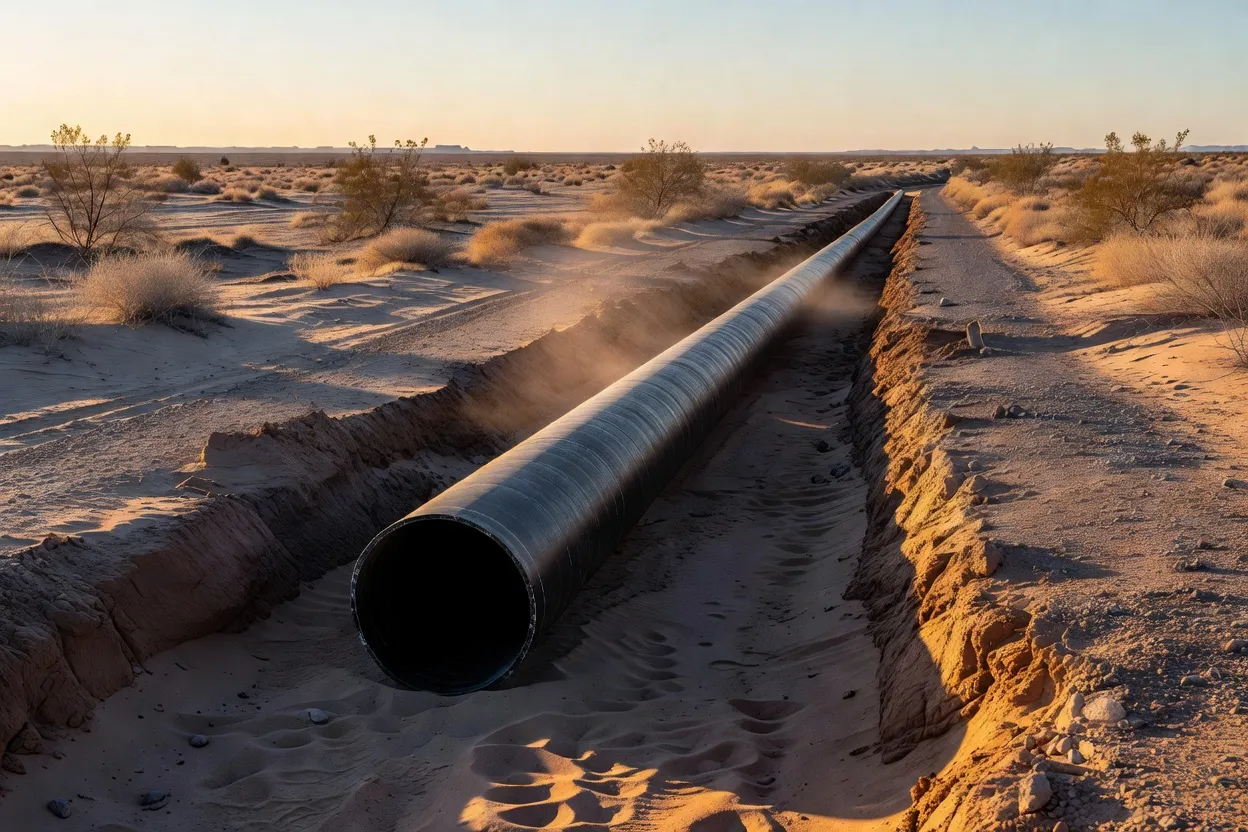
"Hormuz shipping restrictions have taken nearly 20% of global ethylene capacity offline and disrupted up to 40% of Asia's naphtha supply since late February, tightening polyethylene availability without yet removing Gulf producers from the order book. The Middle East supplied more than 40% of global polyethylene exports in 2025, so the disruption reaches beyond freight: it touches feedstock, cracker operations, cargo scheduling and the replacement cost faced by converters.
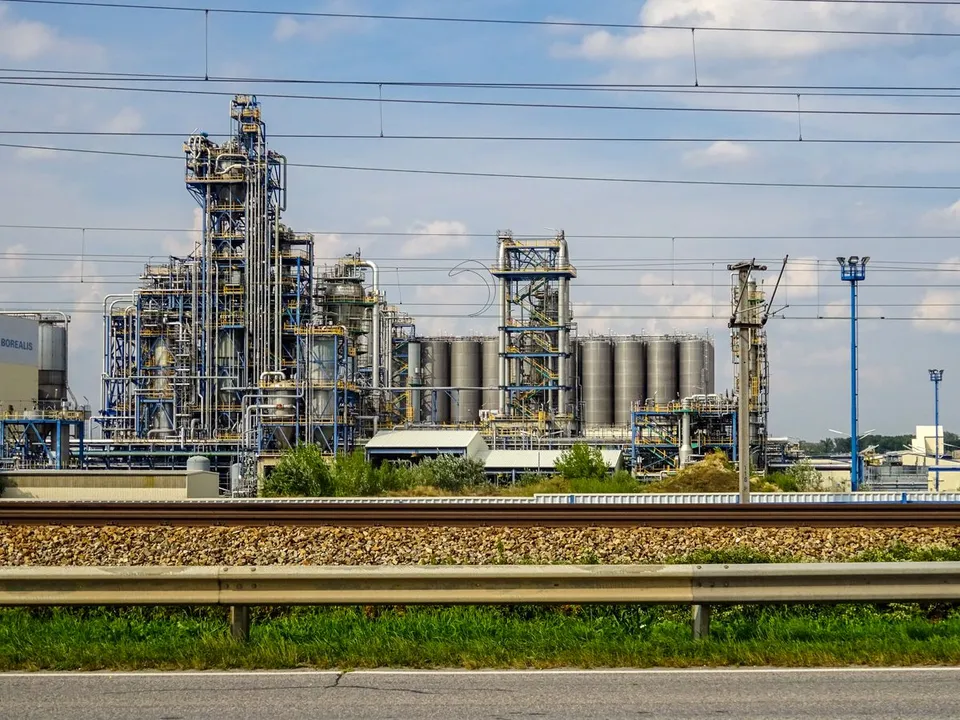
The first fact to keep straight is what the disruption proves. It proves that Gulf material is harder to move predictably. It does not prove that every Gulf plant is down, nor that buyers have permanently switched origins. ECHEMI reported that some domestic and regional suppliers had captured roughly 20% of demand, up from almost negligible levels before the conflict. That is a substitution signal, not a completed reshoring story.
Gulf polyethylene still owns the cost argument
Saudi Arabia, the United Arab Emirates and Qatar remain among the lowest-cost polyethylene production bases because their producers have access to competitively priced hydrocarbon feedstocks and large integrated complexes. That advantage is now being tested by route risk rather than erased by it.
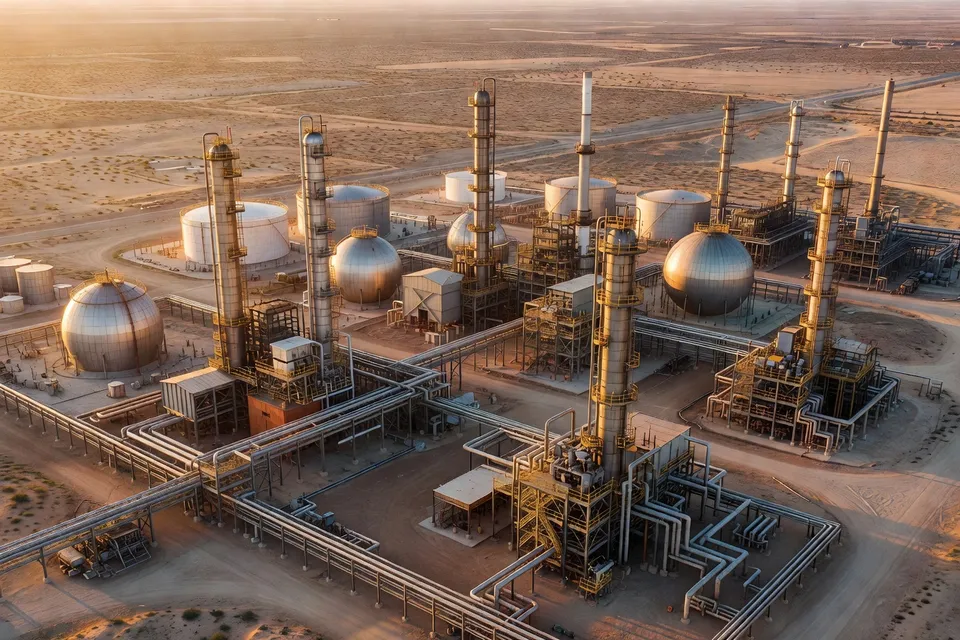
BASF said the disruption strengthened the case for supply-chain diversification while maintaining that Middle Eastern scale and cost advantages would continue to support the region's global position. That is the practical split for buyers: a second source may protect a line from a missed vessel, but it may not match the Gulf offer on delivered cost once the route normalizes.
Polyethylene prices have nevertheless moved sharply. Dow CFO Jeff Tate said in July that PE prices had risen more than 40% since late February. The figure is a company executive's market statement, not a universal benchmark for every grade or geography. It supports a tighter pricing environment, but it cannot establish that every buyer is paying the same increase.
| Measure | Reported figure | Period or reference |
|---|---|---|
| Global ethylene capacity offline | Nearly 20% | Hormuz disruption, October 2026 |
| Asia naphtha supply affected | Up to 40% | Hormuz disruption, October 2026 |
| Middle East share of global PE exports | More than 40% | 2025 |
| Regional and domestic suppliers' captured demand | Roughly 20% | Since the conflict began |
| Reported PE price increase | More than 40% | Since late February, statement in July |
Key polyethylene supply disruption metrics, October 2026
| Metric | Key metrics (%) |
|---|---|
| Global ethylene capacity offline | 20 % |
| Asia naphtha supply affected | 40 % |
| Middle East share of global PE exports | 40 % |
| Regional and domestic suppliers captured demand | 20 % |
| Reported PE price increase | 40 % |
The table separates operating exposure from commercial response. The largest number is not automatically the best buying signal: a capacity percentage describes potential supply loss, while the 20% demand figure describes substitution already observed.
Freight is the constraint buyers can see
The route problem is easier to verify than the final allocation. Cargoes leaving the Gulf have faced restrictions and uncertainty around Hormuz, while wider logistics disruptions have reduced confidence in arrival dates. Buyers can therefore remain loyal to a Gulf producer and still split an order, bring forward a shipment or qualify a regional alternative.
That behavior matters for procurement. A converter buying film, pipe or injection grades cannot treat a nominally available Gulf allocation as equivalent to material at the plant gate. The question is whether the producer has a confirmed cargo, a route that can be insured and a delivery window that fits production. None of those conditions follows automatically from a producer's continued operation.
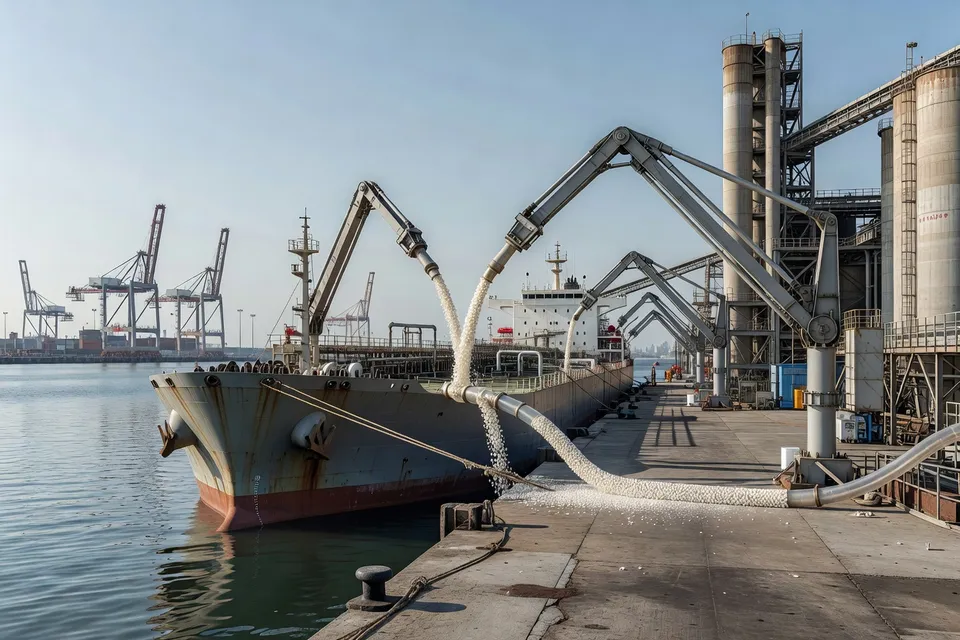
North American and European producers have increased ethylene cracker operating rates to meet additional demand, according to the reported market coverage. That creates an alternative supply response, but it does not replace Gulf polyethylene one-for-one. Grade qualification, freight, customer approvals and regional balance still control how much of that material can actually reach an exposed buyer.
For a purchasing team, the sensible action is narrow rather than dramatic: keep the Gulf supplier qualified, but stop treating one Gulf route as the whole supply plan. A second origin should be tested against the same grade, certification, processing window and delivered-cost basis. Otherwise the “alternative” exists only on a spreadsheet.
Europe is firmer, but not a clean shortage gauge
European PP and PE sellers pursued October increases after both monomer contracts rose by €80/ton. Initial offers included three-digit increases, although broader acceptance remained unclear because many buyers had sufficient stocks and some sellers were willing to negotiate to generate sales or reduce inventories.
That European evidence belongs beside the Hormuz story, not inside it as proof of a single global price movement. Europe has its own production issues, shipment delays, turnarounds and closed order books. Those conditions tightened LDPE and MDPE availability and gave PE stronger upward momentum, while subdued demand limited the certainty of full hike implementation.
The distinction matters to a buyer in another region. A European seller's October target may reveal replacement-cost pressure, but it does not set an Asian contract level. Likewise, a Gulf cargo problem does not by itself establish that every European grade is short. Procurement teams should separate a producer's opening increase from a concluded transaction and separate a delayed vessel from a force majeure.
What the notices still do not establish
The available evidence does not establish a universal Gulf PE allocation, a fixed Hormuz transit time or a plant-by-plant restart schedule. It also does not show that the 20% regional substitution figure applies equally to HDPE, LDPE and LLDPE, or that every buyer can replace Gulf material without qualification work.
That leaves the immediate risk in the delivery promise. A producer can retain its cost edge and most of its customers while losing reliability on individual sailings. Buyers should ask for grade-specific availability, named loading ports, cargo status, route confirmation and the next allocation review before counting the volume as secure.
The next decision point is therefore operational, not rhetorical: whether Gulf suppliers can restore predictable sailings through the affected route. No restart window is on the notice. Until one is named, Gulf polyethylene remains commercially attractive but logistically conditional."
Editorial Insights
- What evidence is enough to count a Gulf polyethylene shipment as secure?
- Ask for the grade-specific allocation, named loading port, cargo status, route confirmation and next allocation review before counting the volume against production demand. A producer remaining operational does not make a shipment plant-deliverable; the usual failure is treating a nominal allocation as secure while the vessel, insurance or arrival window remains unconfirmed.
- When does a second polyethylene origin become a real supply safeguard rather than a spreadsheet alternative?
- Run the alternate grade through the same processing window, certification review, customer approval and delivered-cost comparison used for the incumbent material. A matching melt-flow value alone is not enough: comonomer response, density, additives and conversion behavior can still change scrap or cycle performance, and freight savings may disappear once the Gulf route normalizes.
- How should procurement separate a genuine polyethylene price increase from a replacement-cost warning?
- File the producer offer, concluded transaction, grade, delivery basis and region separately. An opening increase or executive market statement can show pressure without proving that every buyer paid the same amount; the common mistake is applying a European target or a broad reported rise directly to an Asian contract without checking the actual grade and freight basis.
- Should buyers carry extra Gulf polyethylene inventory while sailings remain unreliable?
- No—not without checking shelf life, additive stability, warehouse capacity and the coverage days the line can actually consume. Extra stock can protect a missed vessel, but it can also outlast the material’s approved storage window or tie up cash in the wrong grade, especially when demand is soft and a replacement source is already being qualified.
- What must be qualified before North American or European polyethylene can replace a Gulf grade?
- Confirm the exact grade family, density, melt-flow range, additive package, compliance documents, customer approval and delivered cost, then run production trials against dimensional, sealing, impact or mechanical requirements relevant to the finished part. Higher cracker operating rates create potential supply, not automatic interchangeability; the failure mode is buying available resin first and discovering later that approval work, freight or line performance blocks its use.
References
- 1.ECHEMI.com. (2026, October 16). Hormuz disruptions affect nearly 20% of global ethylene capacity as polyethylene supply tightens. ECHEMI.com.
- 2.Hydrocarbon Processing. (2026, October 17). Gulf cost edge keeps chemical buyers hooked despite Hormuz risks. Hydrocarbon Processing.
- 3.energynews.pro. (2026, October 17). Polyethylene buyers would stay loyal to Gulf suppliers despite Hormuz disruptions. energynews.pro.
- 4.OilPrice.com. Middle East chemicals keep their cost edge despite Hormuz crisis. OilPrice.com.
- 5.ChemOrbis. European PP/PE sellers pursue October hikes amid subdued demand. ChemOrbis.
- 6.Saudi Press Agency. Saudi Press Agency.
- 7.The Daily Star. Plastics sector at risk as supply chains falter. The Daily Star.
- 8.Breakthrough Group. The Middle East is triggering a widespread force majeure in. Breakthrough Group.
