


Chinese butadiene and synthetic rubber markets entered the final week of October with a clear split between cost support and buyer resistance. Crude oil and earlier feedstock tightness lifted rubber prices after the holiday, but restarting cracking units and additional imports loosened butadiene availability. The result was not a supply emergency. It was a high-priced market losing transaction support.
Butadiene in China fell from CNY 13,840/ton at the beginning of October to CNY 13,266.67/ton by mid-month, a 4.14% decline. A later assessment put the material at CNY 13,266/ton on October 22, down 2.09% from CNY 13,550/ton at the start of the month. The different starting points reflect separate market assessments, but both show the same direction: elevated values did not hold when downstream buyers refused to build stock.
Butadiene availability
The physical supply signal improved as Chinese cracking units resumed operation and imported volumes increased. East China port inventory reached 28,200 tons by October 22. That is the number procurement teams should watch more closely than the earlier crude-led rally. Higher inventory and restored production reduce the case for assuming that a firm offer means a shortage.
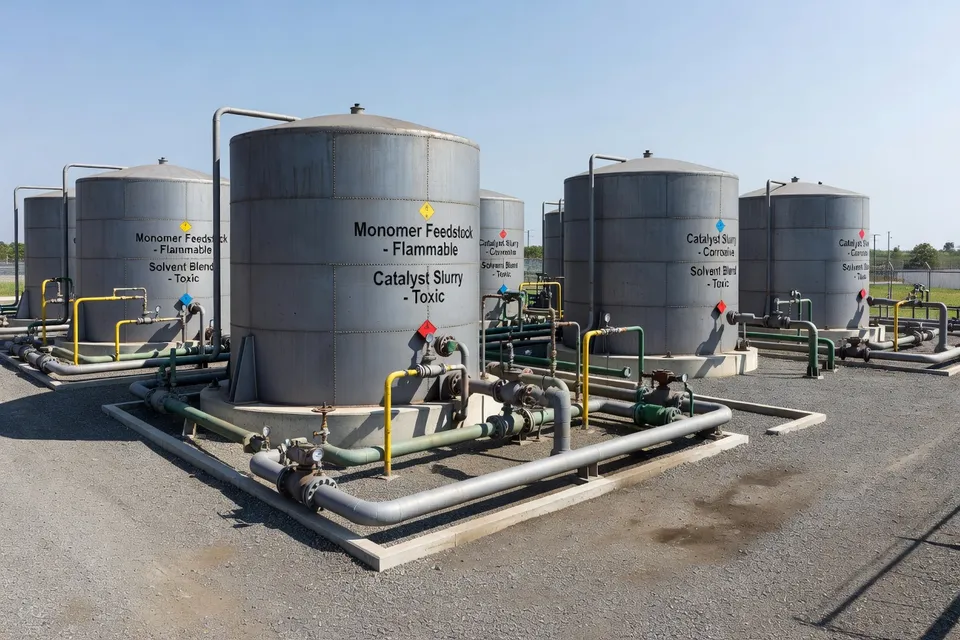
Several Chinese plants were also scheduled for maintenance during October. Qixiang, Haopu New Materials, and some rare-earth polybutadiene units were identified for shutdowns or reduced rates. Those outages supported individual grades and locations, but they did not erase the broader improvement in feedstock availability. The market still had maintenance on one side and restarts on the other.
The near-term operating picture therefore remains mixed rather than constrained. Butadiene supply was expected to increase slightly, while downstream industries were forecast to continue buying mainly for immediate requirements. No sailing disruption, force majeure, or region-wide allocation was identified in the available notices. Buyers should not turn plant maintenance into a blanket Asian shortage call.
The comparable China October butadiene assessments show why timing matters:
| Assessment date | Price | Change from stated October opening |
|---|---|---|
| Mid-October | CNY 13,266.67/ton | -4.14% from CNY 13,840/ton |
| October 21 | CNY 13,233/ton | -2.34% from CNY 13,550/ton |
| October 22 | CNY 13,266/ton | -2.09% from CNY 13,550/ton |
The late-month readings cluster near CNY 13,233-13,266/ton, not near the early-month highs. That favors short purchase windows over speculative inventory accumulation.
Polybutadiene rubber
Polybutadiene rubber retained more support than its feedstock, but the support was fragile. East China polybutadiene rubber was assessed at CNY 16,350/ton on October 22, up 0.80% from CNY 16,220/ton at the beginning of the month after reaching a high of CNY 16,900/ton. The rise in the monthly starting-to-ending comparison hides the path: buyers first accepted higher offers, then pushed back as butadiene supply relaxed.
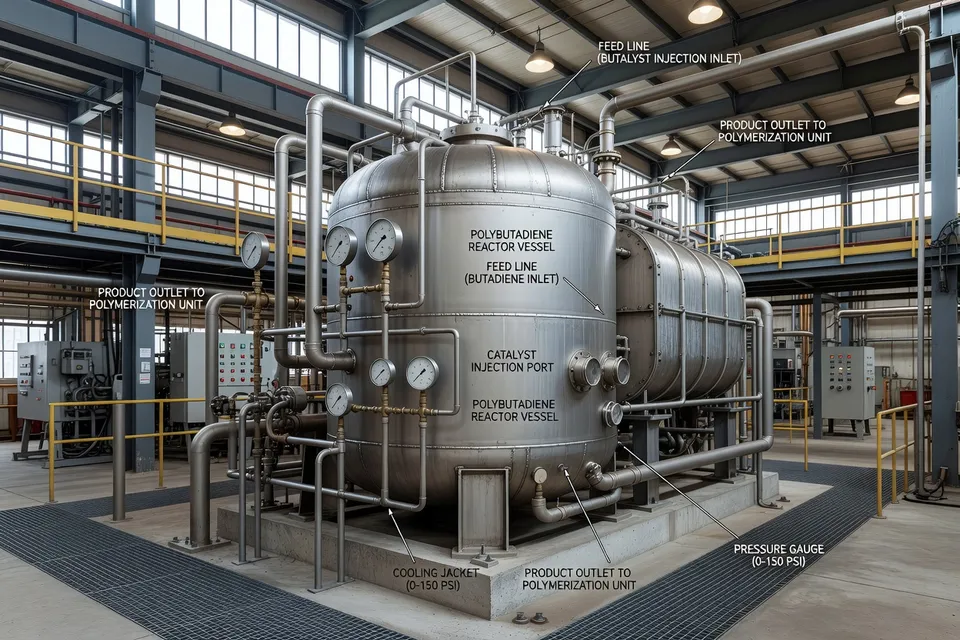
A separate October 12 assessment placed mainstream Jiangsu-Zhejiang prices for Daqing, Sichuan, and Dushanzi grades at CNY 16,800-17,100/ton. Zhenhua New Materials' 100,000-ton/year high-cis polybutadiene unit remained offline after maintenance that began on September 29, with a restart expected soon. That unit is the clearest named restart affecting the Chinese polybutadiene balance. It also limits the argument for extending October's firm tone into the next buying cycle.
The supply rate for the wider polybutadiene industry was reported at around 60%. Maintenance at several facilities reduced output, and producer inventories declined slightly. Those details explain why spot rubber did not fall in line with every butadiene assessment. They do not establish that buyers faced a general inability to source material. The evidence points instead to grade- and producer-specific tightness against weak end-use demand.
Tire manufacturers were buying cautiously after the post-holiday fading of the “Golden September” peak-season effect. Finished-tire inventories were slow to clear, margins were under pressure, and non-tire demand from footwear materials and hoses remained flat. A converter can accept a higher resin or rubber offer when finished-goods orders support it; that support was missing here.
Styrene-butadiene rubber
SBR followed the same sequence, but its operating-rate evidence was less restrictive. Chinese SBR prices began October at CNY 16,175/ton, climbed to CNY 16,833/ton after the holiday, and then moved down to about CNY 16,133/ton by October 21. The latter was 3.01% below the month-opening level.
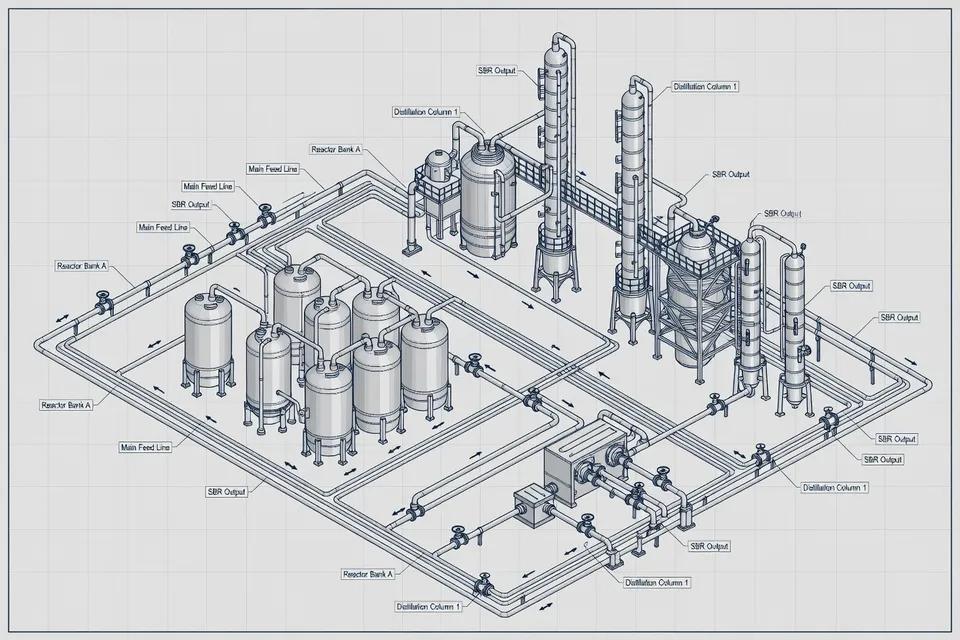
Domestic SBR units were operating at approximately 70% capacity, with limited maintenance activity and no significant inventory drawdown or accumulation. That is not a restart story on the scale of the named polybutadiene unit. It is a market with enough routine production to keep the supply side from forcing a sustained rally, provided imports and feedstock flows remain available.
| Chinese synthetic rubber | October opening | October high | Late assessment |
|---|---|---|---|
| Polybutadiene rubber | CNY 16,220/ton | CNY 16,900/ton | CNY 16,350/ton on October 22 |
| SBR | CNY 16,175/ton | CNY 16,833/ton | About CNY 16,133/ton on October 21 |
Chinese Synthetic Rubber Prices, October 2026
| Rubber Type | Opening (CNY/ton) | High (CNY/ton) | Late (CNY/ton) |
|---|---|---|---|
| Polybutadiene rubber | 16220 CNY/ton | 16900 CNY/ton | 16350 CNY/ton |
| SBR | 16175 CNY/ton | 16833 CNY/ton | 16133 CNY/ton |
Both grades reached higher levels after the holiday and then lost momentum. Polybutadiene rubber remained above its opening assessment, while SBR finished below its opening level. That difference is useful for purchasing: the raw-material correction did not transmit uniformly across rubber grades.
CNPC Northeast Sales Company also cut the factory price for butadiene rubber from its Daqing and Jinzhou plants by a cumulative CNY 600/ton on October 14-15. Another market notice reported a CNY 300/ton reduction on October 14, putting the ex-warehouse price at CNY 16,500/ton in Northeast China. The two figures should not be merged; they describe different reporting points and timing. Together, they show producers adjusting offers as high-priced material met weak inquiries.
What buyers can act on
The actionable constraint for October is not a published allocation. It is the risk that a buyer pays for a high offer before the next supply increment arrives. Butadiene availability is improving through cracking-unit restarts, imports, and higher East China port stocks. Polybutadiene rubber still has maintenance-related support, especially while Zhenhua's 100,000-ton/year unit remains offline, but its restart is expected soon. SBR has a roughly 70% operating rate and little evidence of inventory-led tightening.
Procurement should therefore separate three decisions. Secure the grade and origin that cannot be substituted, cover immediate tire or hose production, and leave longer-dated volume open until the named restart is completed. No lead-time extension was published for the region, and no allocation review date was identified. Sellers may remain firm on particular grades, but the available evidence does not justify treating all Asian synthetic rubber as unavailable.
The next test is Zhenhua New Materials' restart and the continued return of cracking capacity. If those units restart as indicated while tire demand remains cautious, the October cost-push rally has little foundation to extend. If maintenance persists or imports fail to arrive, individual grades can remain tight without proving a regional shortage. The restart window was described only as soon; no exact date was given.
Editorial Insights
- Which supply indicators should be checked before accepting a firm butadiene offer?
- Ask for current port inventory, domestic operating status, import arrival timing, and the seller’s basis for calling the market tight. East China stocks at 28,200 tons and returning cracking capacity weaken a blanket shortage argument, even while individual locations may remain constrained. The usual mistake is treating a firm offer as proof of unavailable material and extending coverage before checking whether the next supply increment is already moving.
- How should a buyer split near-term coverage from longer-dated synthetic rubber commitments?
- Cover the grade needed for immediate tire, hose, or compound production, then keep later volume open until the relevant restart is confirmed. Polybutadiene still carries maintenance-related support, but an expected high-cis unit restart limits the case for locking in the entire next cycle. The friction is operational: a short purchase window can protect price exposure but leaves less room if the restart slips or a specific grade cannot be substituted.
- Can lower butadiene costs be passed through directly to polybutadiene rubber and SBR budgets?
- No. Track each rubber grade separately against its own producer offers, operating rate, inventory position, and customer demand. Polybutadiene retained support despite softer feedstock, while SBR fell below its opening assessment as routine production remained available. A common budgeting error is applying the butadiene correction uniformly and then finding that a maintenance-affected grade has not followed it.
- What must be verified before treating a maintenance outage as a regional supply shortage?
- Check the affected grade, producer, location, restart wording, replacement imports, and whether any allocation or lead-time notice has actually been issued. Maintenance at several facilities can support one producer’s offer without preventing the wider market from sourcing material. Do not convert “offline” into “unavailable across Asia”; that shortcut ignores operating units, port stocks, and the absence of a published allocation review. The failure mode is paying a scarcity premium for material that remains purchasable from another approved source, then carrying that inventory after the restart.
- Which demand evidence should procurement use before building speculative rubber inventory?
- Use finished-tire inventory, customer order visibility, compound consumption, and actual production schedules rather than the post-holiday price spike. Cautious tire buying, slow finished-goods clearance, pressured margins, and flat non-tire demand do not support aggressive stock building. Extra coverage only makes sense where the grade is non-substitutable and the production consequence of a missed delivery is greater than the carrying cost; otherwise, the rally can fade before the stock is consumed.
References
- 1.ICIS. (2026, October 23). Propylene prices, analytics and forecasts. ICIS.
- 2.ICIS. Synthetic rubber prices, analytics and forecasts. ICIS.
- 3.Echemi. (2026, October 26). Bullish and bearish factors clash; butadiene first rises then falls. Echemi.
- 4.Echemi. Bullish and bearish factors clash; butadiene first rises then falls. Echemi.
- 5.SunSirs. (2026, October 26). China SBR spot market - initial rise followed by a decline and volatile downtrend. SunSirs.
- 6.SunSirs. China SBR spot market. SunSirs.
- 7.Sina Finance. (2026, October 23). Futures market news. Sina Finance.
- 8.MoneyToday. (2026, October 21). Industry news. MoneyToday.
- 9.Echemi. Echemi news article. Echemi.
