

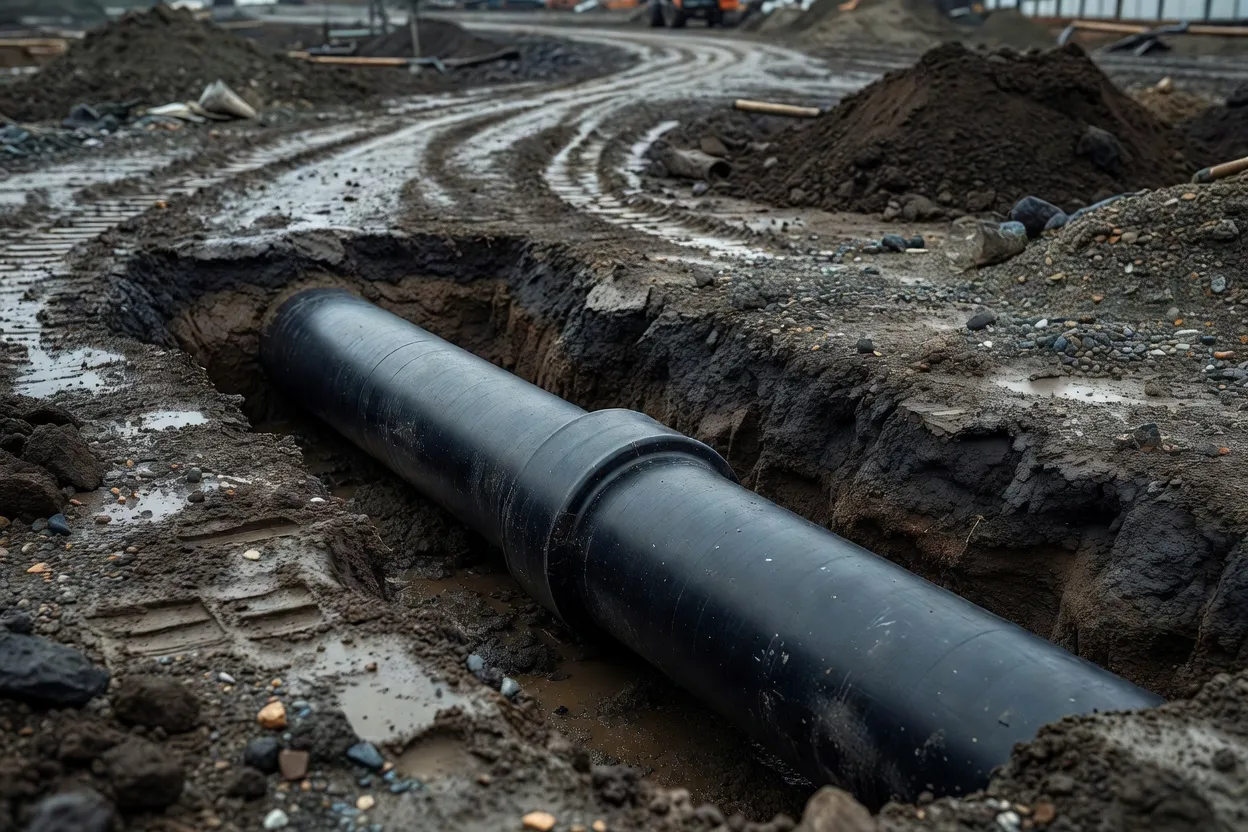
Malaysia's PRefChem stopped its polyethylene and polypropylene lines, along with two residue fluid catalytic crackers, after an external power outage at the Pengerang complex in October 2026. The outage matters because it hit polymer units and the feedstock system together, not because it proves a regional shortage. PRefChem had already been operating below capacity, and the available restart indication points to late October rather than a firm return to normal production.
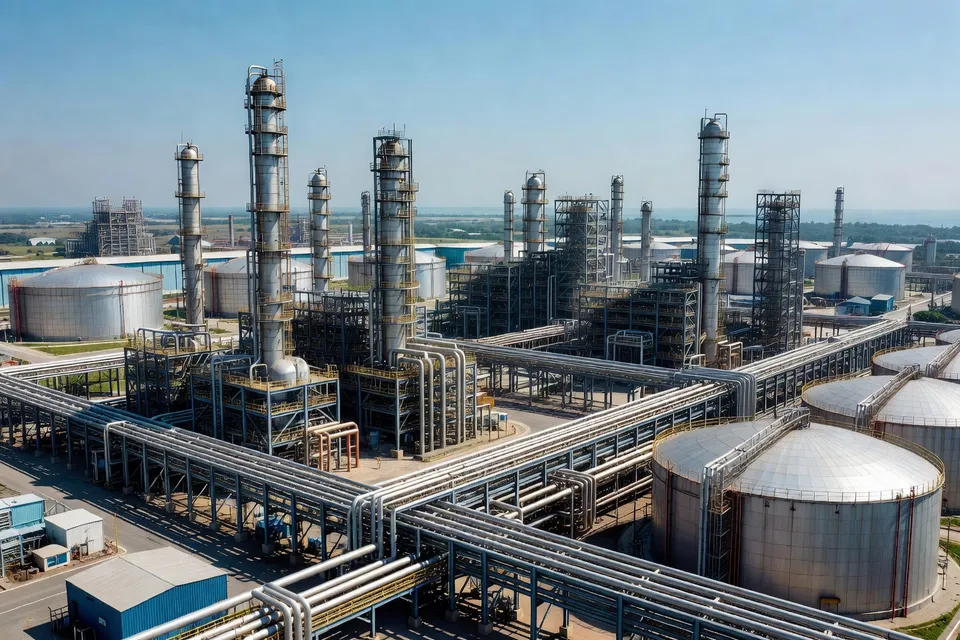
PRefChem (Pengerang Refining and Petrochemical, the PETRONAS–Saudi Aramco complex in Johor) has also carried earlier operating disruptions in 2026. A No. 1 RFCC shutdown followed feedstock-supply problems around 9 March, while an ethylene cracker outage in late May lasted into late June or early July. The October event is therefore another unplanned interruption at a site whose polymer availability was already constrained. Buyers should treat any late-October restart as a recovery checkpoint, not as proof that contract or spot volumes have been restored.
PRefChem's combined outage
The PRefChem shutdown covered PE, PP, and two RFCC units at the same time. That combination removes finished polymer availability and interrupts the refinery-linked propylene route that supports downstream production. The complex has approximately 3.4 million tonnes per year of combined capacity across ethylene, propylene, butadiene, benzene, and MTBE, but that figure is site-wide feedstock and derivative capacity. It should not be used as a PE or PP outage volume.
That distinction is the line a buyer's allocation desk needs to hold. The notice establishes an outage, the affected units, and a possible late-October restart. It does not establish lost tonnes, a force-majeure declaration, or a new regional benchmark. A converter requiring Malaysian PE or PP should ask for a confirmed allocation and loading date rather than assume that a restarted RFCC immediately translates into polymer shipments.
The earlier 2026 interruptions also show why feedstock availability remains the operational question. PRefChem's March RFCC shutdown was linked to supply disruption, and the later cracker outage was tied to raw-material shortage. The October event had a different immediate cause: external power loss. Those causes should not be merged into one broad shortage claim. They do, however, leave buyers with three separate checks: whether power has been restored, whether feedstock units are running, and whether the PE and PP lines have reached saleable operating rates.
China's prompt PE balance
China's Yantai Ethylene Phase II cracker entered a planned 60-day turnaround beginning 10 October 2026. The shutdown is expected to tighten prompt PE availability in Shandong while the cracker is offline. This is a dated maintenance event, not an unplanned failure, and the two should carry different commercial weight.
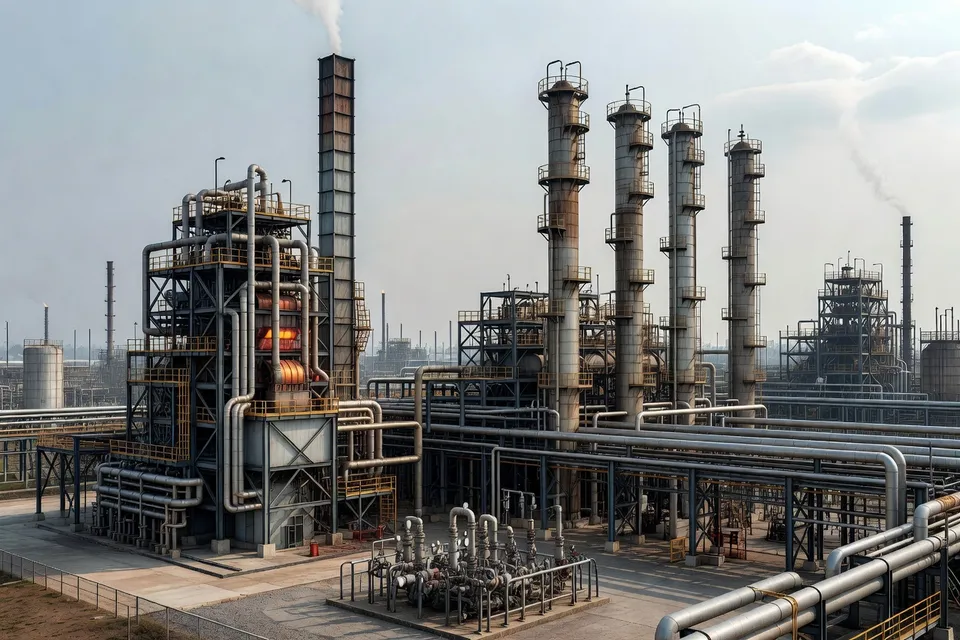
The Yantai schedule gives buyers a defined interruption window, but it does not establish a national Chinese PE deficit. Regional availability will depend on inventories, transfers from other producers, import timing, and the operating status of downstream polyethylene units. A buyer in Shandong can reasonably ask for replacement cargoes during the turnaround; a buyer elsewhere in Asia should not treat the Yantai outage as proof of equivalent scarcity.
China's new PP and PE plant start-ups have also been postponed as oil- and coal-based projects face different feedstock economics. The delays ease immediate fourth-quarter pressure, but they move some expected capacity into 2027 rather than remove it. That makes the postponements a timing issue. They are not a permanent supply loss and should not be counted as a restart.
The relevant Q4 sequence is therefore straightforward:
| China operating item | Timing or status |
|---|---|
| Yantai Ethylene Phase II cracker turnaround | 60 days from 10 October 2026 |
| Delayed new PP and PE start-ups | Deferred toward 2027 |
The table separates a temporary planned outage from postponed future capacity. Neither item supplies a confirmed spot volume for a buyer today.
Northeast Asian olefins
South Korea's KPIC is taking its Onsan naphtha-fed steam cracker offline for major scheduled maintenance in Q4 2026. The cracker outage tightens regional ethylene and propylene availability, but the available notice does not provide a complete restart date, lost production figure, or polymer allocation schedule. That limits what can be concluded for PE and PP customers.
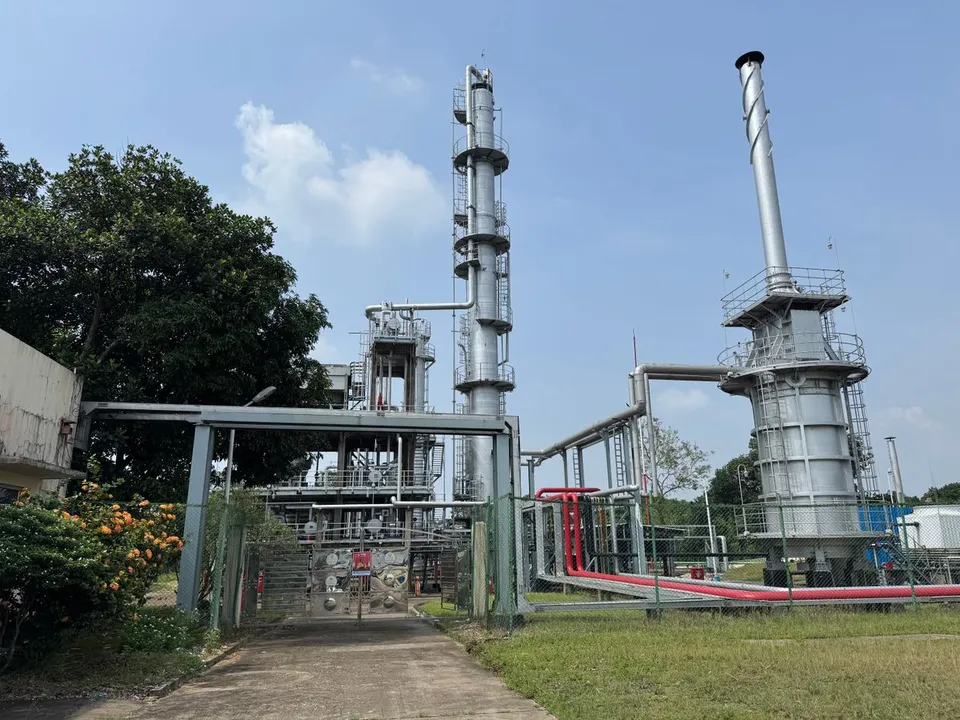
A cracker shutdown can affect polymer supply through feedstock availability, yet the effect depends on inventories and alternative olefin sources. QA and purchasing teams should not convert an olefin maintenance notice into a grade-specific resin shortage without a producer allocation, a delayed loading date, or a named polymer-unit curtailment. The practical request to KPIC-linked suppliers is simple: identify the affected grade, the shipment window, and whether any allocation applies.
LG Chem's Yeosu naphtha cracker restart provides a counterpoint to the South Korean maintenance. The restart is a real recovery action after a six-month shutdown, but a cracker restart does not instantly restore every downstream product or return the market to its previous balance. Buyers still need confirmation of operating rates, feedstock transfer, and product availability before treating the restart as usable replacement supply.
Thailand's LDPE check
PTTGC planned mid-November maintenance at its Map Ta Phut LDPE unit while adjacent HDPE and LLDPE lines were stabilizing after months of feedstock-driven cuts. This is a second, narrower interruption: one LDPE unit faces a scheduled maintenance window just as other PE lines are recovering.
That combination can confuse buying signals. Restored HDPE and LLDPE output may improve availability in those grades, but it cannot replace LDPE in applications with specification or processing limits. The mid-November plan should therefore be handled as an LDPE scheduling issue, not as evidence that all Map Ta Phut PE supply is tightening again.
What buyers can book
The usable forward information is uneven. PRefChem has a late-October restart indication after an external-power outage, China's Yantai cracker has a 60-day turnaround from 10 October, and PTTGC has mid-November LDPE maintenance. KPIC's Q4 cracker outage and LG Chem's Yeosu restart establish direction but, on the available details, do not provide enough information to promise a polymer tonnage or loading date.
Purchasers should separate three cases in their order files: confirmed outage, planned maintenance, and restart evidence. A declared allocation would change the buying decision; an outage alone does not. Likewise, a late-October restart is not a shipment until the seller confirms grade, quantity, and sailing. PRefChem's next operational checkpoint is the late-October restart indication. PTTGC's next named event is the mid-November LDPE maintenance window. No firm restart window is given for KPIC's Q4 Onsan cracker maintenance.
Editorial Insights
- What must a buyer confirm before treating a reported restart as usable PE or PP supply?
- Ask the seller for the specific grade, confirmed allocation, saleable operating status, quantity, and loading date. A power restoration or restarted feedstock unit is only an upstream checkpoint; polymer lines may still be ramping, qualifying material, or waiting for feedstock transfers. The common failure is booking on a restart indication and discovering that the shipment window, grade coverage, or available tonnes were never confirmed.
- How should an order file distinguish an outage, planned maintenance, and a restart?
- File each notice by event type, affected unit, expected duration, and evidence of product availability. Treat an unplanned outage as a supply risk, scheduled maintenance as a dated planning constraint, and a restart as recovery evidence that still requires grade and loading confirmation. Do not convert site-wide capacity into lost polymer tonnes; that mistake turns an operational notice into an unsupported shortage claim.
- When does a cracker outage justify searching for replacement PE or PP cargoes?
- Request replacement cargoes when the supplier identifies the affected polymer grade, gives a delayed or uncertain loading window, or applies an allocation. A cracker outage alone does not prove that every downstream resin is short because inventories, alternate olefin sources, and polymer-unit operating rates can absorb part of the disruption. The practical error is widening a regional feedstock concern into a grade-neutral resin shortage.
- Can recovering HDPE or LLDPE supply cover a scheduled LDPE interruption?
- No. Check the application specification before substituting anything: restored HDPE or LLDPE output does not replace LDPE where melt strength, sealing behavior, density, or processing limits are grade-specific. A buyer may improve overall PE coverage while remaining exposed on LDPE. The usual failure is counting family-level availability as a valid substitute for the resin actually approved on the line.
- What information should purchasing request from a supplier during a regional disruption?
- Ask for the affected unit, grade code, allocation status, quantity, loading port, earliest sailing, and whether the material is already produced or only expected after restart. Keep those fields in the order record alongside the notice type and next verification date. This separates a bookable cargo from a market rumor. If the supplier can name only the complex or last port of origin, the information is not sufficient to promise production coverage.
References
- 1.CommoPlast. (2026, October 26). Malaysia’s PRefChem unexpectedly shut down petchem operations, restart eyed by late October. CommoPlast.
- 2.ChemNet. (2026, October 26). Malaysia’s PRefChem unit shut down: PE, PP and two sets of RFCC units were shut down simultaneously. ChemNet.
- 3.CommoPlast. (2026, October 15). China’s Yantai Ethylene II cracker shutdown to tighten prompt PE availability as 60-day turnaround begins. CommoPlast.
- 4.CommoPlast. CommoPlast. CommoPlast.
- 5.CommoPlast. CommoPlast. CommoPlast.
- 6.CommoPlast. CommoPlast. CommoPlast.
- 7.CommoPlast. CommoPlast. CommoPlast.
- 8.Supply Status. Supply Status. Supply Status.
- 9.ICIS. Ethylene. ICIS.