

ICIS expects global annual utilization of propylene and downstream polypropylene (PP) to remain below 80% through at least 2033. That forecast, drawn from the ICIS Supply and Demand Database, is the clearest measure in this group of material that the market's capacity problem is structural rather than a short-lived pricing event.
The forecast sits beside a striking investment decision. ZPC is developing a 1.2 million tonne/year propane dehydrogenation (PDH) unit in China, which will become the world's largest when completed. Lummus Technology has won the license for the project. The unit will exceed a 900,000 tonne/year CATOFIN PDH plant that previously held the capacity record.
A large new propylene unit does not require a large improvement in market utilization to operate. It requires an owner willing to secure feedstock, downstream outlets and strategic value while the broader industry carries excess capacity. That distinction matters for processors and resin buyers: a record project can proceed even when the sector-wide rate remains below the level generally associated with healthy economics.
The utilization forecast
The ICIS forecast covers both propylene and downstream PP, rather than treating the monomer in isolation. That pairing is significant. Propylene capacity can be absorbed through PP, but only if polymer demand and margins justify production. When the downstream chain remains underused, additional PDH supply increases the pressure on integrated producers and merchant sellers alike.
The available forecast provides a threshold and an end point, not a year-by-year utilization path. It therefore supports a durable direction, but not a precise annual ranking or a claim that every region will remain below 80% in every year. The relevant conclusion is narrower: global annual rates for both products are not expected to reach 80% before 2033.
| Product chain | Forecast utilization | Period covered |
|---|---|---|
| Propylene | Below 80% | Through at least 2033 |
| Polypropylene | Below 80% | Through at least 2033 |
The unchanged threshold across the two linked products points to a capacity-to-demand imbalance across the chain. It does not prove that individual plants will run at the same rate. Regional shortages can still coexist with weak global utilization, particularly when logistics, feedstock economics or plant outages interrupt supply.

China's PDH expansion
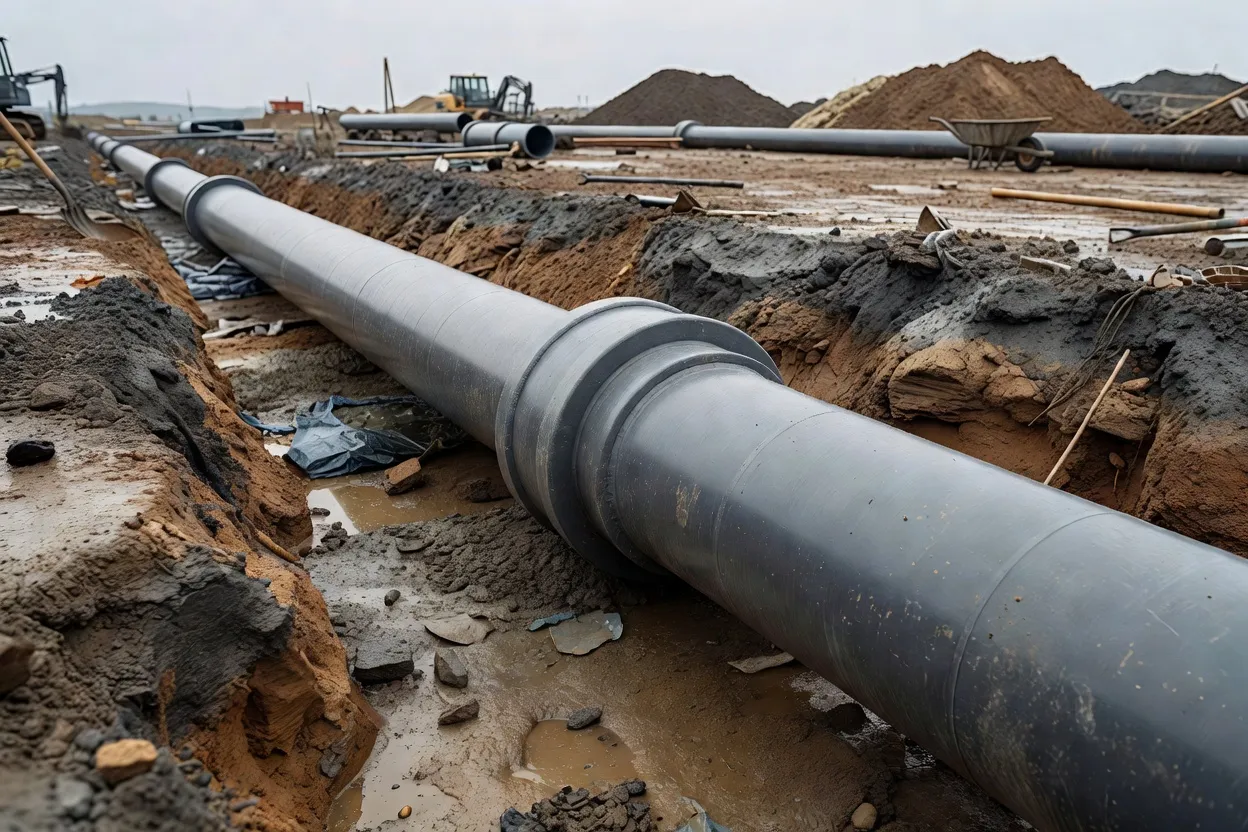
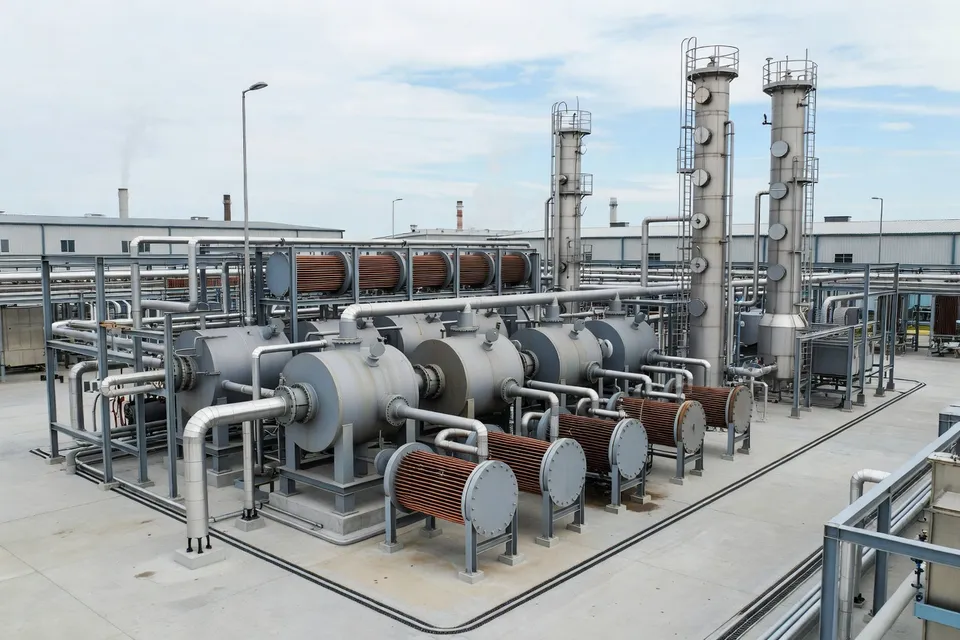
China is the central test of whether added capacity creates a durable market advantage or simply shifts operating pressure among producers. The ZPC project will add 1.2 million tonnes/year of propylene capability through PDH, a process that converts propane into propylene. Its scale is commercially meaningful because it concentrates a large increment of supply in one asset rather than distributing smaller additions across several sites.
The project also exposes the difference between nameplate capacity and realized output. A 1.2 million tonne/year designation describes the maximum annual production basis used for planning and comparison. It does not establish the unit's operating rate, commissioning performance, product placement or contribution to regional demand. Those items will determine whether the investment improves supply reliability or deepens the utilization problem.
The existing 900,000 tonne/year record-holder sets a useful capacity comparison, but not a profitability benchmark. The new unit will be one-third larger on a nameplate basis than that plant. No comparable utilization figure for either PDH asset is established here, so the capacity ranking should not be confused with an operating ranking.
Operating cuts reveal the margin test
China's current supply balance has tightened even as the longer-term utilization outlook remains weak. Propylene prices in northeast Asia reached their highest level of 2026 and remained at record levels as of 21 October. In China, PDH operating rates fell to around 66% in late September from around 79% in mid-September as margins weakened. Shutdowns also contributed to shortages in Tianjin and Shandong.
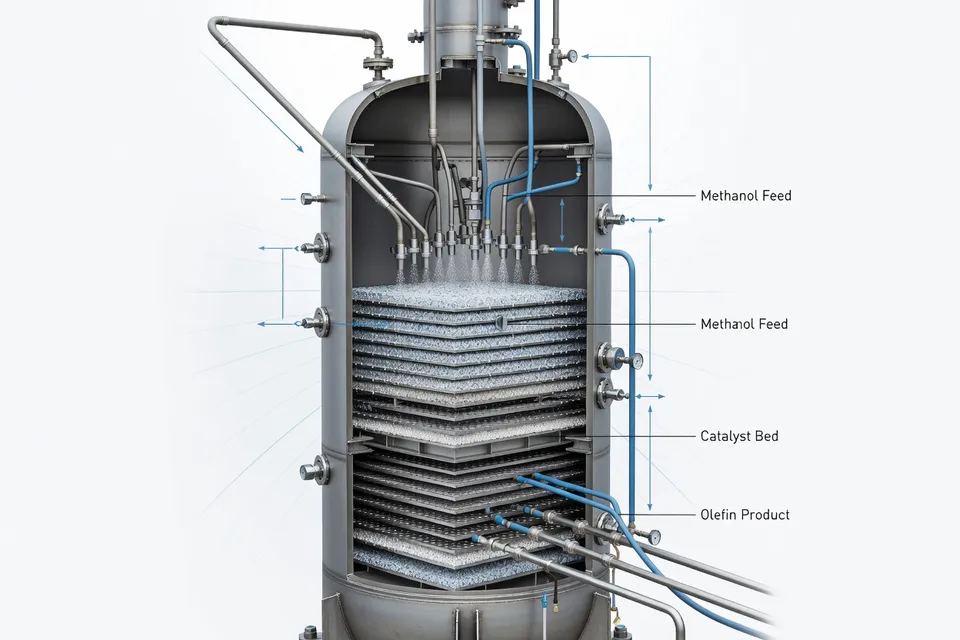
Methanol-to-olefin plants provided a sharper example of operating stress, with rates below 40% in October after running at around 78% in late September. These movements show why a low annual utilization forecast does not mean every trading week will be oversupplied. Producers can cut rates quickly, while regional outages or feedstock economics can tighten prompt availability.

That volatility is a commercial constraint rather than evidence against the capacity thesis. A market can show high spot prices during a local supply interruption and still carry too much annual capacity. Buyers should separate the prompt price signal from the utilization signal before treating a rally as proof of a broad demand recovery.
Downstream pressure remains the constraint
PP is the relevant demand check for new propylene capacity. If PP converters do not increase purchases, propylene producers must either reduce rates, export more material or accept weaker margins. Asian trade routes have shifted as arbitrage opportunities and supply gaps changed, while limited spot demand from end users persisted even during periods of upward price pressure.
That combination is uncomfortable for producers. A price increase can reflect short-covering, a feedstock surge or a temporary supply gap rather than stronger underlying consumption. For a new PDH unit, the more durable test is whether PP offtake grows enough to support sustained operation after commissioning, not whether propylene can command a premium during a disrupted month.
European restructuring reinforces the same point from the opposite direction. ChemOrbis data identify close to 11 million tonnes/year of combined nameplate capacity across ethylene, propylene, PP, PE and chlor-vinyls that has been closed, idled or earmarked for closure since 2024. Propylene accounts for 2.12 million tonnes/year of that total. Europe is removing capacity, but those closures do not erase the global additions driving the utilization forecast.
The regional response is therefore uneven. European closures may reduce local supply and improve the balance for surviving assets, while Chinese PDH expansion adds capacity in the region with the largest visible project scale. Neither development alone resets the global rate. The global measure remains below 80% because capacity decisions are being made faster than demand can absorb them.
What buyers should verify
Processors should treat the 80% threshold as a planning constraint, not a price forecast. It indicates that suppliers may continue to compete for volume and that operating rates can remain vulnerable to margin compression. It does not specify where the next shortage will occur or which producer will carry the adjustment.
The ZPC unit should be assessed against three later measurements: its actual start-up date, its ramp-up rate and the PP or other downstream outlets attached to its propylene. Until those figures emerge, the project is evidence of capacity ambition, not proof of demand strength.
The next firm data point named in the material is the 2033 horizon in the ICIS Supply and Demand Database. The market's judgment will turn sooner on commissioning information from ZPC and on whether Chinese PDH and MTO rates recover from the September and October cuts without a corresponding improvement in PP offtake.
Editorial Insights
- Does a sub-80% global utilization forecast mean a processor can assume propylene or PP will remain cheap?
- No. Keep the utilization forecast separate from the delivered-price decision. A regional outage, feedstock spike, freight disruption or short-covering can tighten prompt supply while annual capacity remains underused. Ask suppliers for the pricing basis, inventory position, lead time and applicable surcharge rather than treating a spot rally as evidence of durable demand. The usual mistake is to lock in a shortage narrative after a local disruption and overlook the excess capacity that may pressure prices again.
- Which evidence would show that a new PDH unit is adding dependable supply rather than only nameplate capacity?
- File three operating data points: the actual start-up date, the ramp-up rate and the volume of propylene committed to PP or other downstream outlets. Nameplate tonnes describe design capability, not realized production, product placement or sustained operation. Also check whether downstream offtake rises enough to support the unit after commissioning. A large asset can run below design, export into a weak market or reduce rates when margins fail; capacity ranking alone says none of those things.
- How should a resin buyer use the global utilization threshold in its supply plan?
- Use it to justify coverage and source checks, not to set a price target. A structurally underused chain may leave suppliers competing for volume, but that advantage can disappear in a region with an outage or poor logistics. Maintain at least one qualified alternative, confirm allocation rules, and separate resin-line coverage from freight-line coverage. The common failure is assuming that ample global capacity guarantees prompt material at the buyer’s location.
- What should a buyer verify before treating weaker PDH and MTO operating rates as a broad demand signal?
- Ask whether the cut came from margin pressure, feedstock economics, maintenance, or an actual fall in PP offtake, then compare the answer with regional inventories and order intake. Operating rates can fall quickly during an uneconomic week without proving that annual demand has deteriorated further; conversely, a price increase can occur while end-user buying remains limited. Do not extrapolate one month’s plant behavior into a demand recovery or collapse without a downstream volume measure.
- Can European capacity closures offset the effect of new propylene capacity elsewhere?
- Only locally and only if the surviving assets gain enough demand or margin to run harder. Record the closed, idled or threatened capacity by product and region, then compare it with new capacity, trade routes and realistic downstream demand. European reductions may tighten a local balance while additional Asian supply continues to weigh on the global rate. The friction is logistical: a regional shortage cannot automatically absorb material that is stranded behind freight cost, specification limits or weak arbitrage.
References
- 1.Al Greenwood. (2026, October 29). INSIGHT: Why build the world’s largest PDH unit in a propylene glut? ICIS.
- 2.ICIS. Propylene. ICIS.
- 3.ICIS. Polypropylene. ICIS.
- 4.ICIS. INSIGHT: Asia petrochemical trade routes shift on arbitrage opportunities, supply gaps. ICIS.
- 5.ICIS. Asia top stories: Weekly summary. ICIS.
- 6.ChemOrbis. (2026, October 30). Asia ethylene: Modest gains extend as feedstock surge, tight supply sustain momentum. ChemOrbis.
- 7.ChemOrbis. (2026, October 29). Europe’s petchem plants close, assets change hands: How far has restructuring progressed? ChemOrbis.
- 8.ICIS. INSIGHT: Global overcapacity, legal risks weigh on LG Chem’s chemicals business. ICIS.