

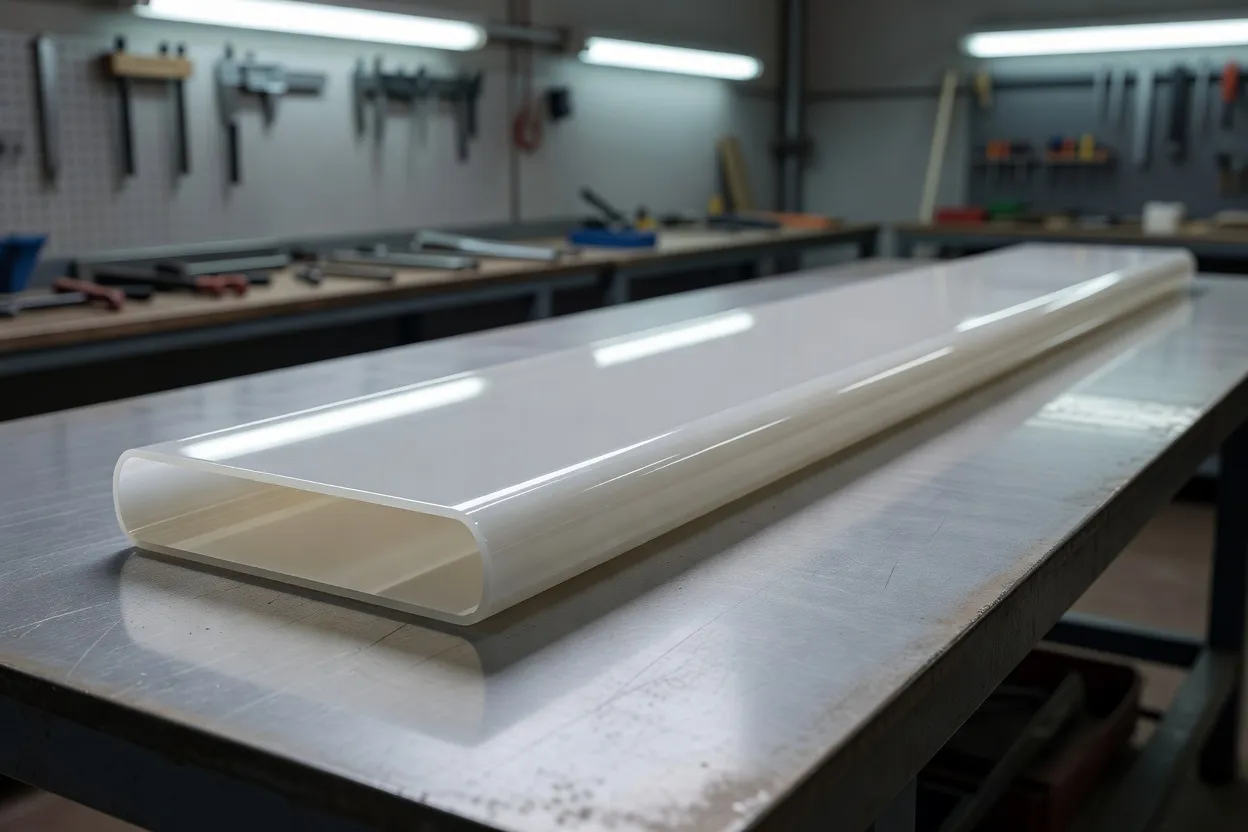
Foamy pellets and bubbles in extruded product are not a temperature-setting problem until the vent path, material moisture, and actual vacuum have been checked. On a twin-screw line, the first useful comparison is simple: measure vacuum at the vent while watching melt pressure, then inspect the filter, trap, seals, and vent opening. A pump gauge in the equipment room does not prove that the vent is holding vacuum.
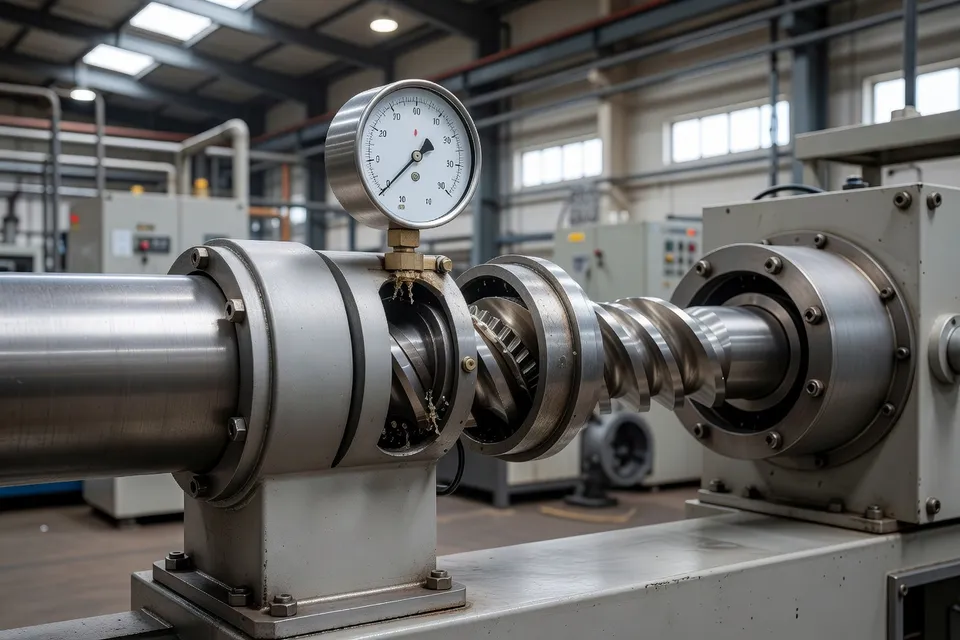
The defect usually starts with gas that has nowhere reliable to go. Moisture, residual volatiles, and air can remain in the melt when the vent is blocked, leaking, flooded, or pulling below a stable operating condition. The result is familiar on the floor: bubbles, pores, low density, surface defects, pressure movement, and sometimes a sudden output drop. A blocked vent can starve conveying because the melt foams instead of moving as a compact stream.
The vent reading
Wanplas identifies blocked vacuum lines, pump problems, and damaged O-rings or flange gaskets as common causes of weak evacuation. Condensed volatiles can form oil or solid deposits inside the line. A worn pump or low oil level can reduce capacity. A leaking seal can make the pump sound normal while the barrel sees poor vacuum.
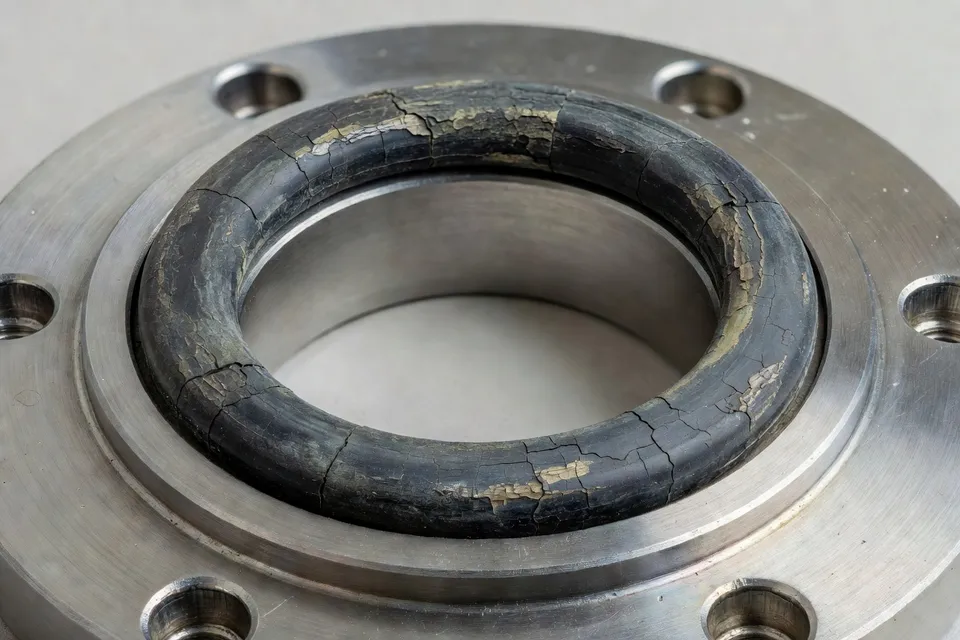
That gives the setter a separating check. Record the vacuum at the vent, not only at the pump. Compare it with the approved baseline for the same resin, screw configuration, and output. If the pump-side reading looks acceptable but the vent reading is weak, stop adjusting barrel temperatures and walk the line between those two points. Check hose condition, joints, filters, condensate traps, and the vent insert.
A polymer carryover event is a stop condition, not a small quality drift. Melt or powder entering the vacuum line can contaminate the filter and pump, reduce devolatilization, and disturb melt pressure. The practical checks are vent-port buildup, a flooded opening, filter loading, and trap drainage. If the vent is carrying polymer, reduce the risk of further contamination and correct the pressure balance before returning to full rate. Do not compensate by increasing suction without checking the material level at the vent.
Moisture is a separate check
A stable vacuum cannot rescue wet feedstock indefinitely. The drying page supplied for extrusion preparation treats drying as a material-preparation step before the polymer reaches the barrel. The moisture check belongs at the hopper or feed throat, not only at the dryer display. Conveying through an open or poorly sealed path can let dried material pick up moisture again.
The troubleshooting sequence should therefore separate machine and material. Test moisture content with an analyzer. Check dryer dew point and confirm that the material has received the qualified drying treatment for that polymer. Then inspect the transfer path for ambient-air exposure. PLA and ABS are cited as requiring thorough drying for precision filament production, with a stated moisture target below 0.02% for that application. That figure should not be transferred to every resin or extrusion line. Wrong polymer, unknown drying history, or a wet regrind stream ends the comparison.
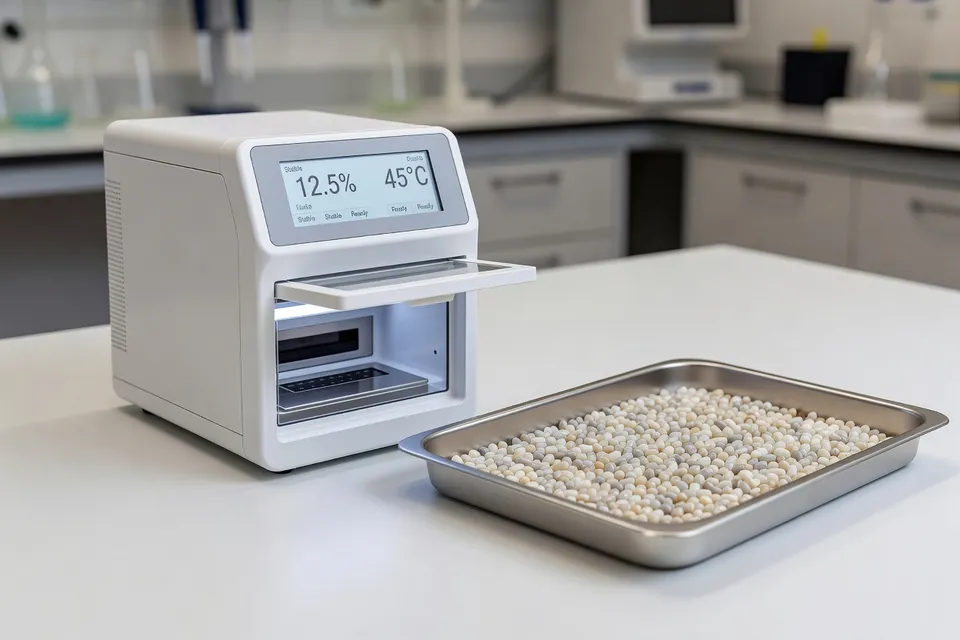
If a known-good, qualified material lot runs cleanly on the same line, the fault points toward feedstock, drying, or feeder settings. If the bubbles remain, return to the vent, temperature profile, screw condition, and die. Change one variable at a time and retain a pellet sample after each change.
Pressure tells you when to stop
Vacuum should be trended with melt pressure. A blocked vent, unstable vacuum, or vacuum surge can change effective fill and pressure. A regular pressure ripple that follows screw speed suggests a different problem from a sudden pressure dip with visible bubbles or splay. The latter combination puts wet material, saturated desiccant, volatile additives, or a vent-vacuum surge at the top of the check list.
Use the pressure trace to catch a problem before the product sample fails. If pressure falls below the established baseline at the same speed and output, check material lot, melt temperature, screen condition, and screw or barrel wear before declaring the vacuum responsible. If pressure becomes unstable only after the vent is opened, inspect for polymer creep and a changing vacuum signal. A vent that alternates between flooded and open conditions can make the line look like it has a control problem when the restriction is mechanical.
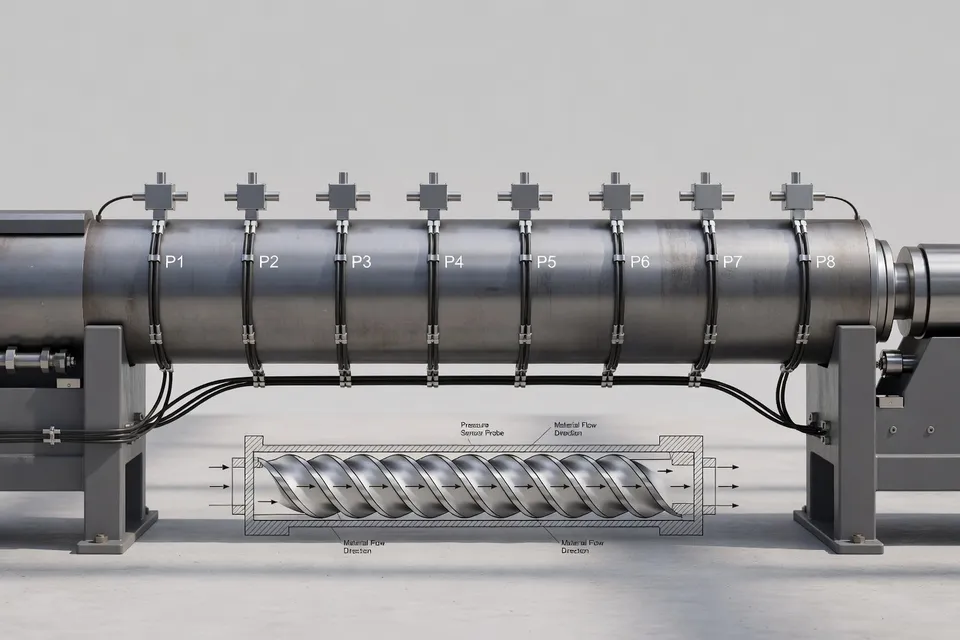
The supplied troubleshooting guidance also calls for checking the vent condenser and trap for drainage. That is a practical stop point. A full trap, blocked filter, or dirty line means the displayed vacuum is no longer a reliable process condition. Quarantine material made during the unstable period if the product specification includes density, void content, odor, or mechanical performance.
The check on the next shift
Before startup, inspect the vent opening, filter, trap, vacuum joints, and pump condition. With material at the approved process state, measure actual vacuum at the vent and record it beside melt pressure. Confirm moisture at the feed throat, then watch both signals during a short steady run.
Do not release the line when the product is bubble-free for one sample but the vacuum signal is still drifting. Do not apply the cited moisture target to a resin it was not written for. Do not raise suction to pull through a flooded vent. The line is ready only when the approved resin is dry, the vent is clear, the measured vacuum is stable at the vent, and pressure holds the established baseline.
The next check is one timed sample with three records attached: material moisture, vent vacuum, and melt pressure. If any one of the three moves outside the qualified window, stop the run and find the subsystem before changing setpoints.
Editorial Insights
- How do you confirm the vacuum is actually pulling at the barrel and not just at the pump?
- Measure vacuum at the vent while recording melt pressure under the approved resin, screw configuration, and output. If the vent reading misses baseline, check the filter, trap, hose, joints, seals, vent insert, and pump. A pump-room gauge alone proves little when a leaking gasket, condensate blockage, or loaded filter sits between pump and barrel. Compare the two readings before adjusting barrel temperatures.
- What should you do when polymer shows up in the vacuum line?
- Stop treating it as routine quality drift. Inspect the vent opening, melt level, filter, and trap, then cut the risk of further carryover before returning to full rate. Polymer in the line can foul the pump and block evacuation; raising suction may only worsen the pull if the melt seal or pressure balance is already off. Check downstream screen or die resistance, screw fill near the vent, and the vent seal before touching the vacuum setpoint.
- How can you tell wet feedstock from a failed vent?
- Test moisture at the hopper or feed throat, confirm dryer dew point and qualified drying time, and check the transfer path for ambient-air pickup. A stable vent cannot fix an indefinitely wet lot, while a dry qualified lot that still shows bubbles points back to the vent, screw, temperature profile, or die. Do not copy a moisture limit from one polymer or application to another; unknown drying history and wet regrind break the comparison.
- Which pressure pattern points away from a vacuum problem?
- Compare the pressure trace against screw speed, vent vacuum, material lot, screen condition, and actual melt temperature. A ripple that tracks screw speed points toward conveying or screw-condition issues. A sudden pressure dip with bubbles or splay raises moisture, volatile additives, saturated desiccant, or vacuum surge instead. If pressure simply runs below the established baseline at the same speed and output, check the lot, screen, temperature, and screw or barrel wear before blaming vacuum.
- What records are needed before releasing a line after bubble defects?
- Attach one timed steady-run record that includes material moisture, vent vacuum, and melt pressure, plus resin identity, lot, output, and approved process window. Review the trend rather than a single bubble-free sample; a drifting vacuum or pressure signal means the subsystem is not controlled even if the first product looks acceptable. Quarantine material made during unstable operation when density, void content, odor, or mechanical performance is specified, and change only one variable at a time.
References
- 1.Wanplas. (2026, November 18). Vacuum venting system failures in twin screw extruders and problem solving methods. Wanplas.
- 2.EIN Presswire. Vacuum stability emerges as critical factor in polymer quality and extrusion performance. EIN Presswire.
- 3.Green Extrusion. Moisture drying: Material preparation before extrusion. Green Extrusion.
- 4.Wanplas. Plastic pipe extrusion line bubble defects: Common causes and process adjustment solutions. Wanplas.
- 5.Plastics Engineering. (2024). Extrusion troubleshooting: Key drivers, part 3 of 3. Plastics Engineering.
- 6.Plastics Engineering. (2026). Predicting plastic color before it leaves the extruder. Plastics Engineering.
- 7.Plastics Machinery & Manufacturing. Brabender MetaStation 4 prep combines mixing, extrusion. Plastics Machinery & Manufacturing.
- 8.Plastics Machinery & Manufacturing. Colinex debuts smart version of Allrollex 1500. Plastics Machinery & Manufacturing.