

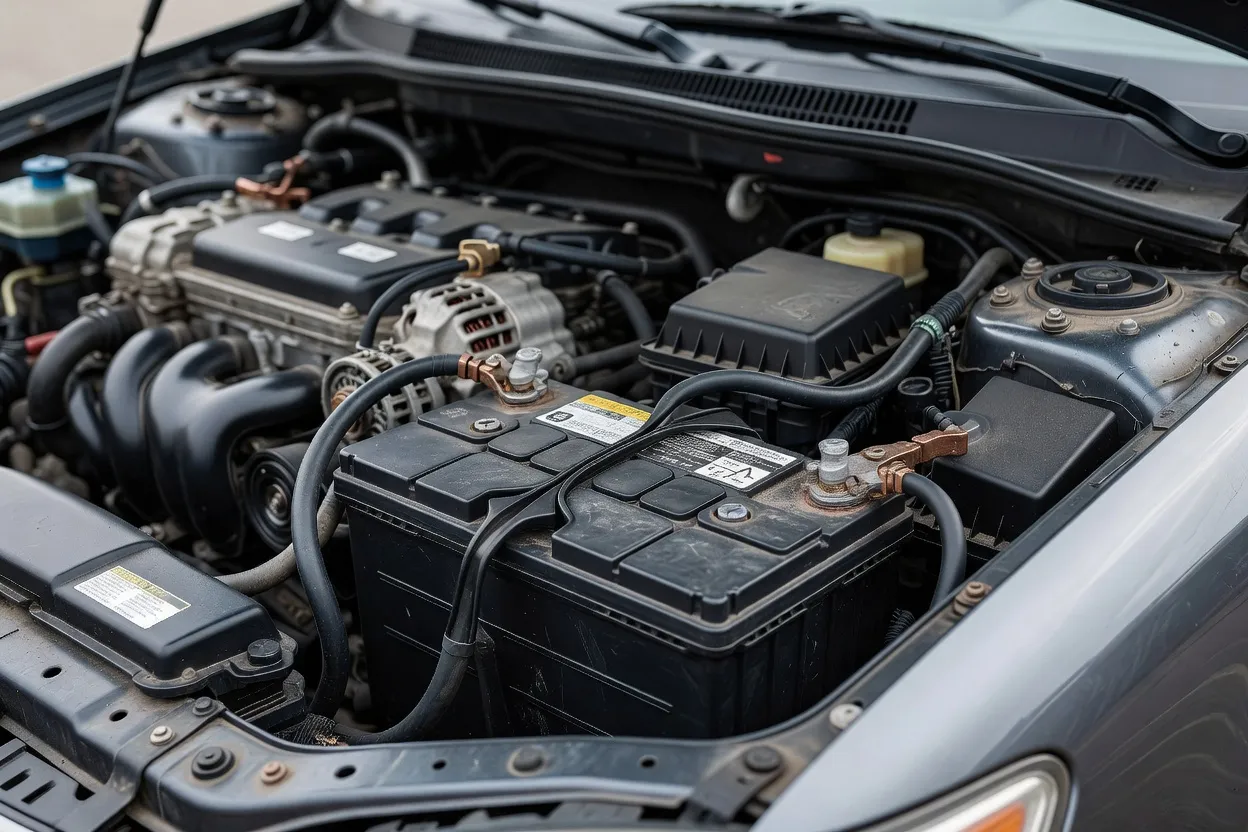
Metair (Metair Investments, an automotive components and energy-storage manufacturer) says delays at Durban Gateway Terminal have reached almost 20 days and are now interrupting production, draining stock, and forcing emergency freight decisions. The company has not declared force majeure, but it has put customers and lenders on notice that the option may be required if the disruption continues.
The immediate cause is operational rather than a confirmed shortage of resin, battery material, or finished components. Durban Gateway Terminal introduced the Navis N4 terminal operating system during its first year running Pier 2 of the Durban Container Terminal. Metair says the implementation severely disrupted container handling. Equipment failures and limited crane availability then compounded the software problem.
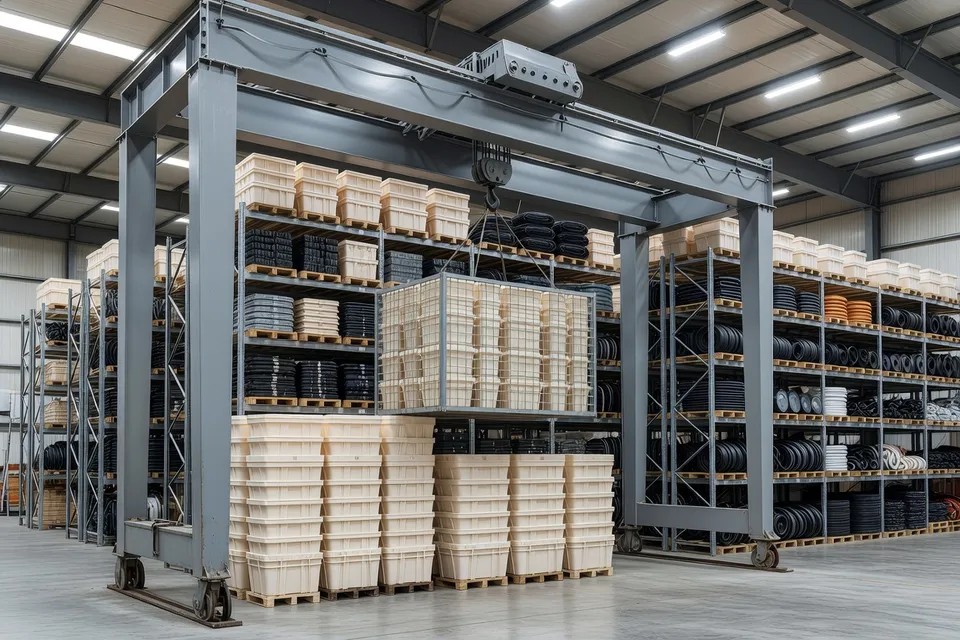
That distinction matters to a buyer. A container held in the port is not the same thing as material unavailable at origin, and a force-majeure warning is not a force-majeure declaration. Metair has reported a real logistics failure, but the notices do not establish that every importer using Durban faces the same delay or that alternative ports can absorb the cargo immediately.
The held container
Metair makes automotive components, batteries, energy-storage products, and aftermarket parts. Its Durban exposure has already produced production interruptions, stock shortages, higher working-capital needs, and more inventory sitting in transit. One customer temporarily stopped a production line, while Metair used overtime to protect delivery commitments.
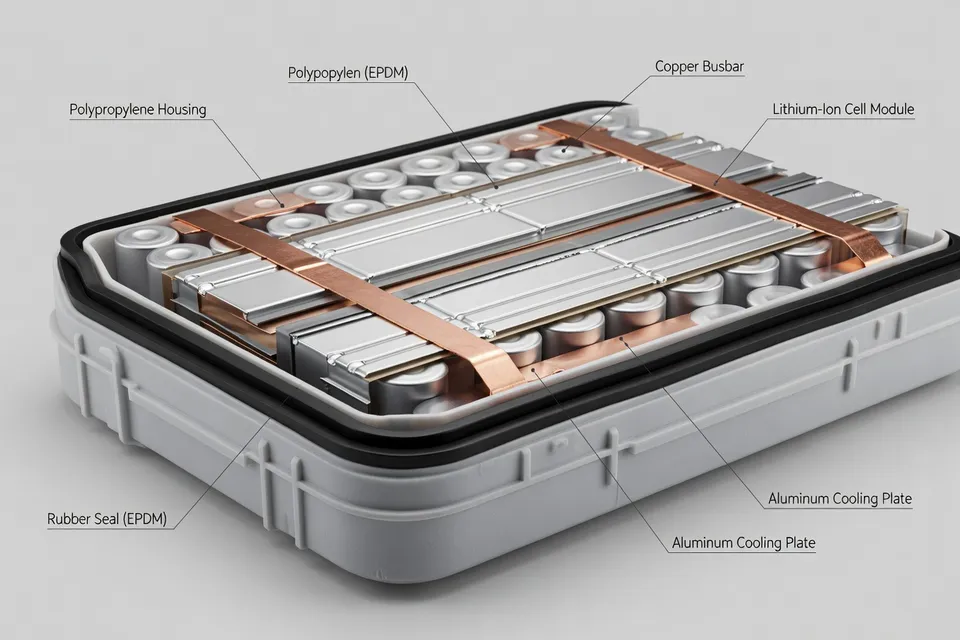
Since August, the group has added airfreight and road freight. Those moves preserve supply only by replacing a port movement with a premium transport leg. Metair says the extra cost for the year ending in December could equal 20% to 25% of its prior-year EBITDA before exceptional items. Its previous-year EBITDA was R1.69bn, putting the company's stated exposure at roughly R340m to R420m. The company also says customers cannot recover those costs.
| Metair logistics measure | Reported figure |
|---|---|
| Longest reported container delay | Nearly 20 days |
| Extra cost as share of prior-year EBITDA | 20%–25% |
| Prior-year EBITDA | R1.69bn |
| Estimated extra cost | R340m–R420m |
The table uses Metair's own reported comparison between the expected additional logistics burden and its prior-year EBITDA. It does not convert that burden into a resin shortage, a plant shutdown forecast, or a general Durban import benchmark.
For processors and component buyers, the practical question is not whether airfreight exists. It does. The question is which grade, battery input, spare part, or production component has already cleared the terminal and which remains exposed to the next handling cycle. Metair's disclosure supports a tighter receiving plan and earlier escalation with suppliers. It does not support treating every Durban-bound shipment as late.
The terminal response
DGT chief executive Javier Lancha has acknowledged that customers experienced disruption. He says the recovery programme has restored terminal fluidity and that Navis N4 has stabilised. DGT has extended storage arrangements for import containers and is reviewing landside processes, including the truck appointment system, ahead of the summer peak.
Those actions address the operating mechanism named in the disruption: yard pressure, truck access, equipment availability, and system control. They do not yet provide a dated clearance of Metair's containers or a guaranteed lead time for new bookings. No firm restart window is on the notices for normal service, and DGT's planned investment is a medium-term response rather than a replacement for a shipment already due.
DGT has committed more than R2bn over the next three years for equipment and infrastructure. The programme includes new and second-hand straddle carriers and an initial 16 hybrid rubber-tyred gantry cranes. That capital plan may improve resilience in later peak seasons, but it cannot be counted as November capacity.
The wider priority cargo
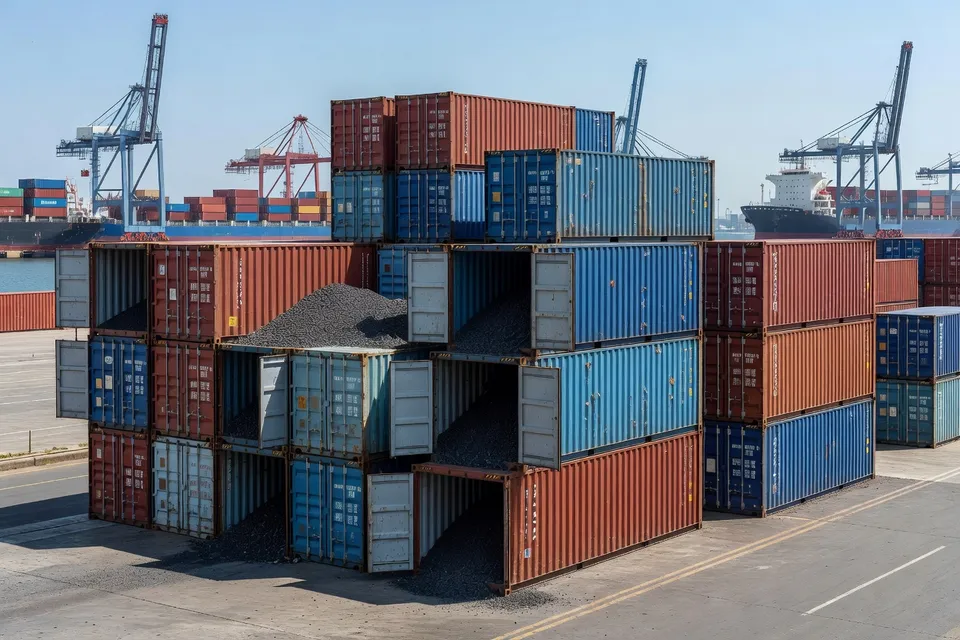
Durban's congestion is also holding pharmaceutical shipments. Thirty containers of medicine were reported as stuck at the terminal while South Africa's public-health shortages worsened. Transnet agreed to prioritise medicines but indicated that it could not release all 30 containers immediately. The company later announced urgent measures to reduce the Durban Gateway backlog and prioritise urgent cargo, including pharmaceuticals.
That priority changes the allocation picture for raw-material buyers. A terminal instruction to move medicine first does not guarantee faster release for automotive inputs, polymers, batteries, or machinery parts. It does show that the problem has moved beyond commercial inconvenience and into cargo triage.
The health department's hotlist of products at risk of running out had reached 184 by November 16, more than double its May level. Other factors contributed to medicine shortages, so the figure cannot be assigned to Durban alone. It does, however, explain why emergency interventions may first target pharmaceuticals rather than industrial containers.
The next commitment
Metair says meaningful improvement may not occur before the end of the first quarter of 2027. If conditions persist and the company cannot meet certain commitments to customers and suppliers, it may consider invoking contractual force-majeure provisions. That is the forward signal buyers can use: not a confirmed cancellation, but a risk window extending into early 2027.
Metair is engaging its primary lender and customers. DGT is reviewing landside controls and storage arrangements. Transnet is applying urgent backlog measures. None of those steps supplies a named allocation for polymer, rubber, battery, or component cargo, and none gives buyers a guaranteed vessel or delivery date.
For now, the defensible position is shipment-specific: obtain the container status, confirm whether the box has discharged, separate port dwell from origin production, and price any airfreight or road diversion as a contingency rather than a normal lead time. Metair's force-majeure warning is credible because it is tied to identified operational failures and quantified cost exposure. The wider shortage claim remains unproven for materials that have not been named.
DGT says its recovery programme has restored fluidity, but Metair's warning places the commercial test later: meaningful improvement before the end of the first quarter of 2027. No firmer restart window is on the notice.
Editorial Insights
- What shipment evidence should a buyer obtain before treating a delayed container as a material shortage?
- Ask for the container number, discharge status, terminal location, last handling event, customs status, and the supplier’s origin-production confirmation. Refuse to substitute a port delay for proof that resin, battery input, or a component is unavailable at source. The common failure is relying on a trader’s statement that cargo is “stuck” without separating a box awaiting crane or truck movement from material that was never loaded.
- When does airfreight or road diversion become a defensible buying decision rather than an expensive reflex?
- Price the diversion against the specific line-stop exposure, remaining coverage days, customer commitment, and recovery time for the original container. Do not treat premium freight as a new standard lead time: it protects selected inputs while shifting cost into transport and working capital, and customers may not reimburse it. The usual mistake is expediting every Durban-bound shipment even when some boxes have cleared or enough stock remains to bridge the delay.
- What should be verified before invoking a contractual force-majeure provision for an interrupted supply?
- File the carrier and terminal notices, container timeline, supplier correspondence, inventory position, customer impact, mitigation steps, and the contract’s notice and causation requirements before making the declaration. A warning that force majeure may be needed is not itself a declaration, and a port disruption does not automatically excuse every missed commitment. The friction is that legal timing, customer notice, and operational evidence often sit with different owners, leaving an incomplete record when the contractual clock starts.
- Does terminal recovery or new equipment justify using normal Durban lead times again?
- No. Keep the affected lane on shipment-specific controls until the terminal provides repeatable handling performance, not merely a statement that fluidity has returned. Check actual discharge, release, truck appointment, and delivery intervals across several movements before reducing safety stock or removing alternate routing. Capital investment and system stabilisation may improve later peak capacity, but neither clears a container already awaiting movement.
- How should priority-cargo measures affect planning for polymers, rubber materials, batteries, and machinery parts?
- Assume that emergency prioritisation can change allocation without guaranteeing release for industrial cargo. Ask the terminal or logistics provider whether the specific container has a priority instruction, then maintain separate coverage calculations for each material family. Medicine triage demonstrates pressure on terminal capacity; it does not prove that every industrial shipment will be delayed by the same amount or that a substitute port can absorb it immediately.
References
- 1.Jacqueline Mackenzie. (2026, November 20). Metair shares plunge as Port of Durban delays take their toll. Business Day.
- 2.Vutivi Business. Durban port delays threaten automotive businesses. Vutivi Business.
- 3.Engineering News. Metair warns of severe earnings hit as Durban port delays drive up airfreight costs. Engineering News.
- 4.Breakbulk News. Durban port crisis: Creecy backs emergency plan as 20-day delays threaten auto and medicine supply. Breakbulk News.
- 5.Business News South Africa. Metair Durban Gateway Terminal costs force majeure. Business News South Africa.
- 6.SA Tech News. Durban Gateway Terminal Navis N4 Metair force majeure. SA Tech News.
- 7.Moneyweb. Transnet takes action to reduce Durban port backlog. Moneyweb.
- 8.Eyewitness News. I won't stop until it gets resolved: Creecy outlines interventions at crisis-hit Durban port. Eyewitness News.
- 9.Engineering News. DGT acknowledges Durban Container Terminal Pier 2 delays and disruptions. Engineering News.