

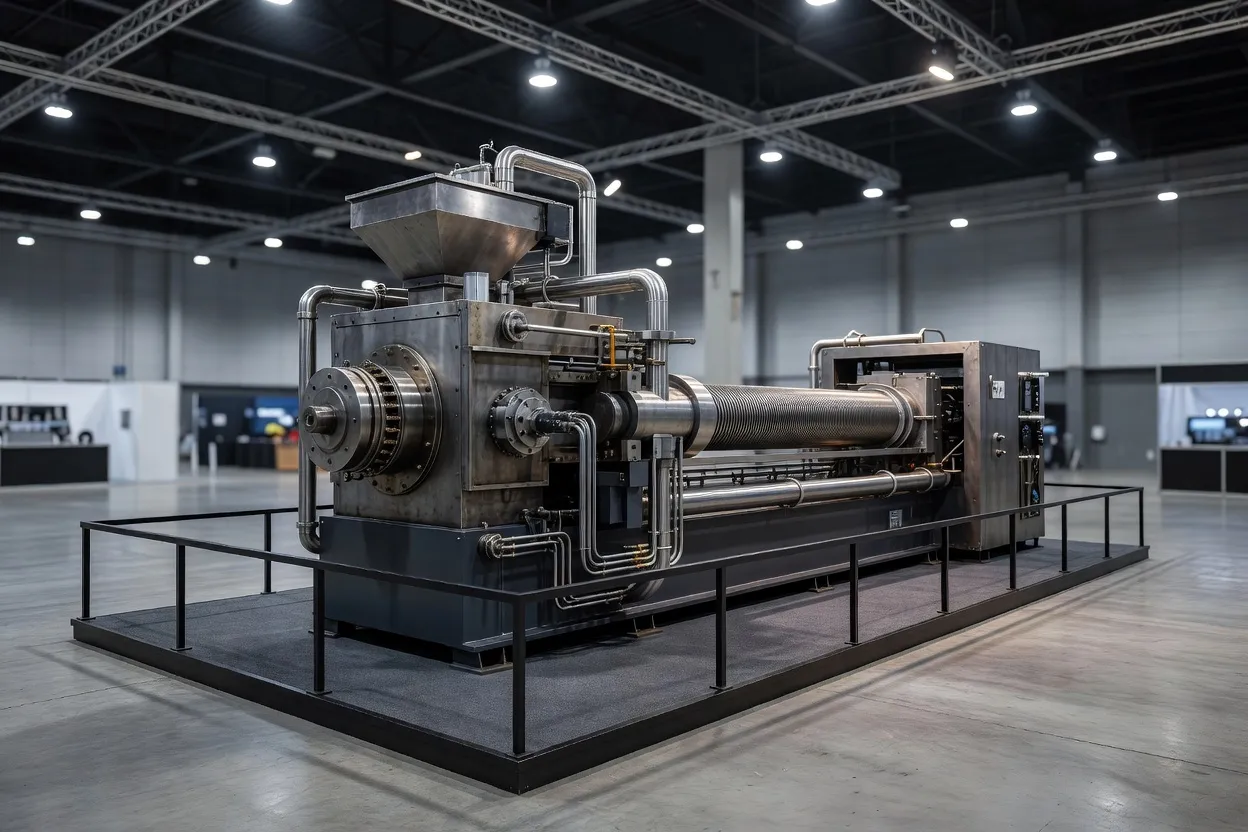
More than 330 exhibitors filled the AMI Plastics World Expos at Cleveland's Huntington Convention Center on Nov. 11, presenting equipment for extrusion, recycling, compounding and polymer testing. The event's strongest message was not a single breakthrough. It was the breadth of the processing chain assembled in one place—and the need to separate a machine demonstration from a production qualification.
That distinction matters for processors and recyclers comparing equipment. A granulator on a booth floor can show access, rotor design or feeding arrangements. It cannot, by itself, establish a stable yield on a customer's contaminated stream. A screw display can reveal geometry and wear strategy. It cannot replace a compounder's trial protocol. The Cleveland event offered a useful equipment map, but the purchase decision still belongs to the line trial, the material specification and the plant's quality records.
The Cleveland show floor
The show brought together more than 330 exhibitors across four related technology areas: extrusion, recycling, compounding and testing. That mix made the event relevant to several buyers at once. A recycler looking at size reduction could also compare downstream extrusion. A compounder could examine screws, feeding systems and testing equipment without treating each step as a separate investment decision.
Plastics Machinery & Manufacturing editors visited the floor on Nov. 11 and reported equipment displays from companies including Entek. Entek presented a pair of its screws at the booth. The exhibit put the component—not a claimed production rate—at the center of the conversation. For a processor, that is the right starting point: screw configuration, material exposure, residence time and maintenance burden must be matched to the polymer and recipe before a throughput statement means much.
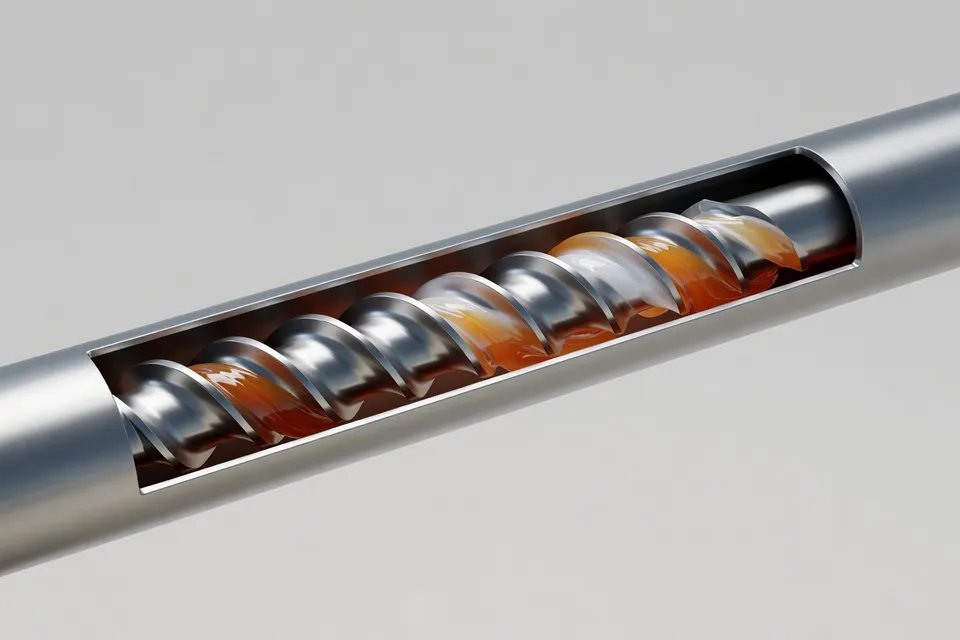
The event therefore worked best as a screening exercise. Buyers could identify suppliers, compare machine architectures and decide which claims deserved a controlled trial. It was not evidence that every displayed technology had delivered the same result in a commercial plant.
Granulators and the recycling step
CMG's presence at the Plastics Recycling World Expo North America added a specific recycling-equipment reference to the broader Cleveland program. Granulators sit at a consequential point in the line: they determine how material is reduced before washing, separation, conveying or melt processing. Rotor arrangement, screen selection, knife maintenance and feed consistency can affect the quality and energy demand of the next step.
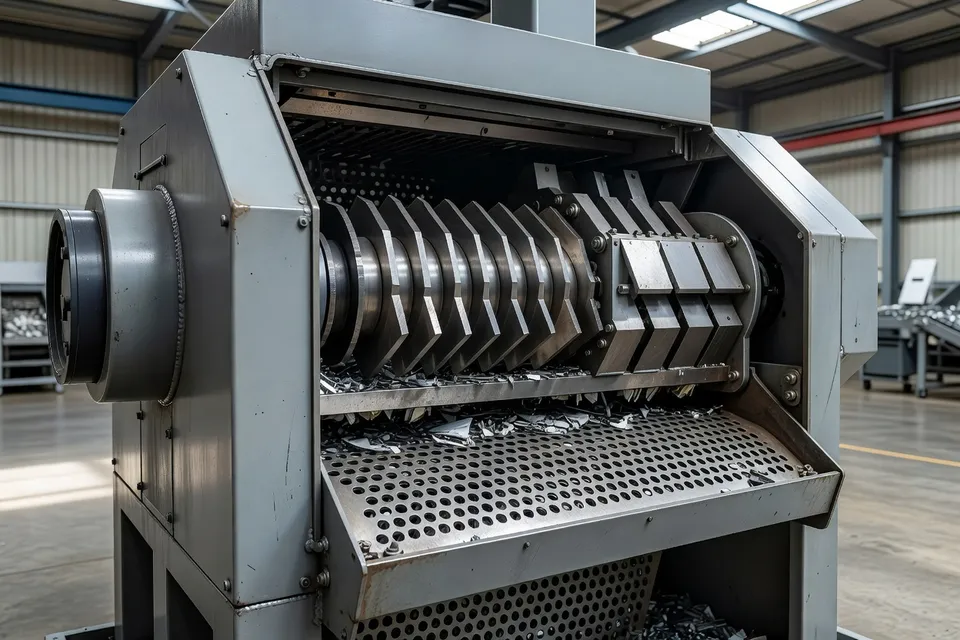
Those design features are useful reasons to request a trial, not reasons to approve a machine without one. Recyclers should ask CMG and comparable suppliers to run representative material and report the definition behind every claimed output. Mixed post-consumer feed, production scrap and heavily contaminated material do not create the same operating problem. A number without the feedstock, screen, moisture condition and measurement period leaves QA with no basis for acceptance.
The Cleveland event linked granulation to the wider recycling conversation, but the available event reporting does not establish a common output benchmark across exhibitors. That gap is itself practical. A buyer comparing machines should hold the material and measurement method constant rather than compare one supplier's clean industrial scrap result with another supplier's mixed waste claim.
Compounding equipment needs a trial lot
Compounding was another major part of the event, alongside an industry discussion of mergers and acquisitions among compounding companies. The combination points to a business reality for machinery builders and compounders: ownership changes may alter investment priorities, but they do not remove the need to qualify a recipe on equipment.
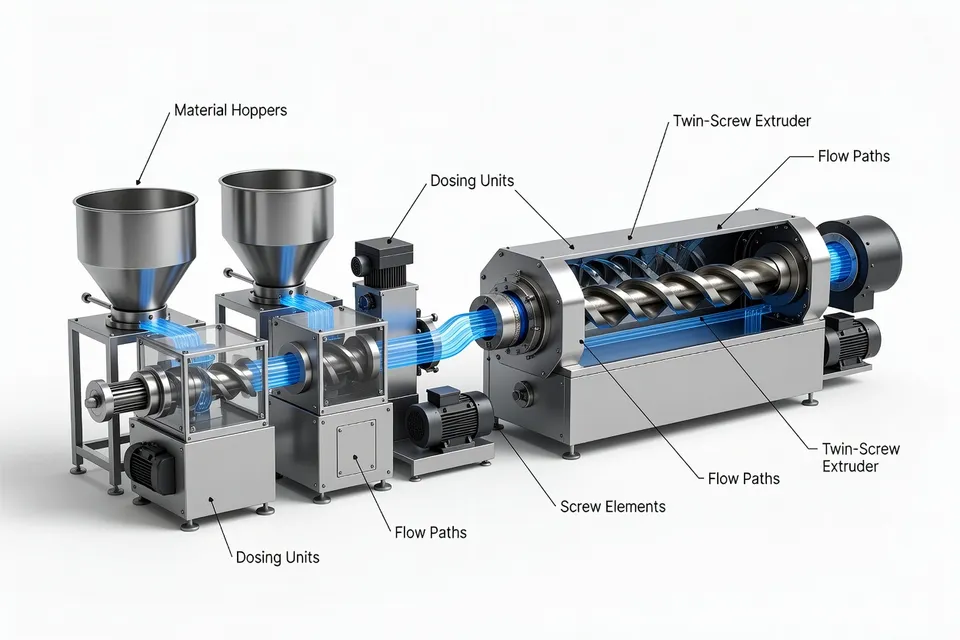
A compounding line must move more than polymer. It must control feeding, melting, dispersion, temperature and pressure while protecting the target properties of the grade. A displayed screw, feeder or ancillary system can explain how a supplier intends to manage those steps. It cannot prove that the final compound will meet tensile, impact, color, moisture or dispersion requirements for a buyer's application.
The same discipline applies to recycling compounds. Recycled feedstock can vary by source and preparation, so a promising demonstration still needs a defined input window. The buyer should record the feed composition, additive package, screw configuration, throughput, melt temperature, filtration condition and test results. Without that record, the booth has shown a concept rather than a qualified grade.
The conference program
AMI also announced the full conference program for the 2026 show. Sessions covering processing and recycling technology gave the event a second route into the same decision: equipment selection is inseparable from process control and material verification. The program broadened the discussion beyond individual machines, but a conference session remains guidance or analysis unless it reports a defined test, dataset or operating result.
For processors, the useful follow-up is concrete. Turn a session point into a question for the supplier: Which input range was tested? What was the baseline? Which property failed first? How long did the line run? Was the result measured continuously or taken from a single sample? Those questions are less glamorous than a launch claim, but they determine whether a machine can move from a booth to a production schedule.
What Cleveland established—and what it did not
The AMI Plastics World Expos established the scale of the available technology conversation: more than 330 exhibitors covered the connected needs of extrusion, recycling, compounding and testing. It also gave named suppliers such as Entek and CMG places to present specific equipment and gave conference participants a structured program around processing and recycling topics.
It did not establish a single winner for recycling throughput, compounding quality or extrusion efficiency. No shared trial method, common feedstock and comparable plant result appear in the event reporting available here. That means buyers should rank the exhibits by the quality of the next test they can support, not by the size of a booth claim.
The next step is therefore a controlled trial with the customer's material and acceptance criteria. Cleveland supplied the shortlist. The production line must supply the verdict. The follow-up date for those qualification trials was not given.
Editorial Insights
- Which details must appear in a trial report before a throughput figure can be trusted?
- Demand that the supplier runs representative feedstock and logs the feed description, screen, moisture level, rotor and knife setup, measurement period, and how output is defined. Never accept a bare kilograms-per-hour number. Clean production scrap, mixed post-consumer waste, and contaminated feed each create different loading and quality issues. Without fixed conditions, one supplier’s numbers can look better simply because the material was easier.
- How can a compounder turn a machine demo into a real qualification trial?
- Define the trial lot first and lock the recipe, feed rates, screw configuration, throughput, melt temperature, pressure, filtration, and sampling plan before starting the line. Then test the properties that decide grade acceptance: tensile, impact, color, moisture, and dispersion. A visible screw or feeder shows intent, but most approvals fail when the team never records which input condition or property broke first.
- What should buyers compare when they test granulators on different feed streams?
- Hold the feedstock and measurement method constant, then compare rotor arrangement, screen selection, knife maintenance, feed consistency, particle result, energy demand, and downstream performance. Do not compare a clean industrial-scrap output with a mixed-waste claim; the numbers answer different operating questions. The trial should also check whether the granulate feeds reliably into washing, separation, conveying, or melt processing, because a high reduction rate is of little value if it creates unstable downstream loading.
- When does an equipment claim justify moving from a shortlist to a plant trial?
- Require a supplier to state the tested input range, baseline, run duration, sampling method, and first failed property before treating the claim as trial-ready. A conference explanation or booth demonstration is useful for defining those questions, not for closing them. If the result came from one sample or an unstated operating window, file it as screening information and keep approval rights with the process and quality owners.
- Which records prove that a recycling compound can become a qualified grade?
- Record feed composition and preparation, additive package, screw configuration, throughput, melt temperature, filtration condition, run duration, sample identification, and laboratory results against the customer specification. Keep the input window visible rather than treating recycled feedstock as a fixed material. The residual risk is lot variation: a successful demonstration can still fail in production when the next source carries different contamination, moisture, or polymer content.
- What is the proper purchasing decision when no common benchmark exists across displayed machines?
- Rank suppliers by the quality of the controlled trial they will support, not by the largest booth output or the most attractive machine architecture. Set the customer material, acceptance criteria, test duration, and data package before requesting comparable results. The purchase remains constrained until those records exist; otherwise the plant is buying a demonstration and assuming the production line will supply evidence later.
References
- 1.PMM. (2026, November 12). Scenes from the floor at the AMI Plastics World Expos. Plastics Machinery & Manufacturing.
- 2.Waste Advantage Magazine. AMI Plastics World Expos unveils full conference program for 2026 show. Waste Advantage Magazine.
- 3.Extrusion World. CMG granulators at Plastics Recycling World Expo North America. Extrusion World.
- 4.Extrusion Info. Article 5996. Extrusion Info.
- 5.PlasticsToday. PMCF leaders detail M&A trends in compounding. PlasticsToday.
- 6.Wisevoter. AMI Plastics Expos combine in Cleveland. Wisevoter.
- 7.Trade Fair Dates. Compounding World Expo North America. Trade Fair Dates.
- 8.Global Exhibition. Compounding World Expo 2026. Global Exhibition.