

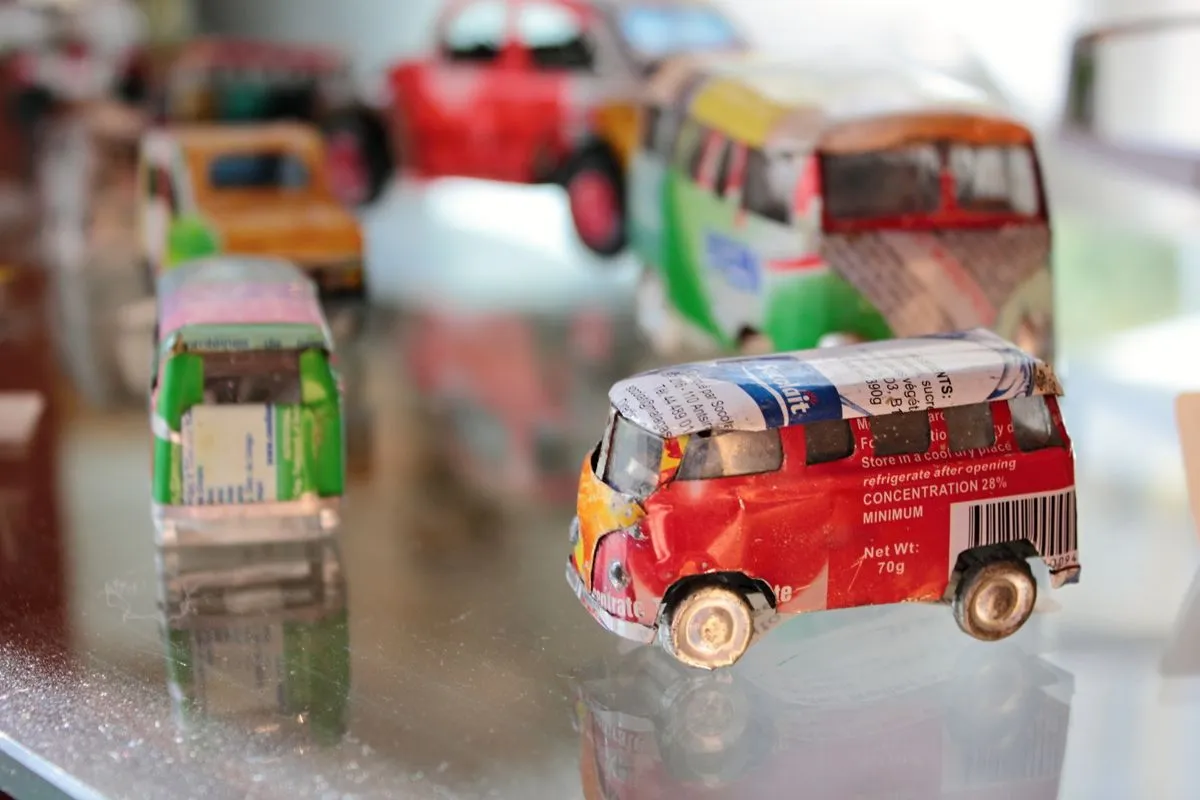
Toy makers using recovered plastic have six months to solve a supplier problem that design changes alone cannot fix: from 17 May 2027, toys within the EU rules for children's products must contain no more than 10 mg/kg of specified polybrominated diphenyl ethers, or PBDEs, when those chemicals are incidentally present in recovered material. The current allowance is 350 mg/kg.
That is not a cosmetic adjustment. It cuts the permitted concentration in recycled feedstock by 97.1%, and it puts recovered resin used in toys on the same PBDE limit already applied to virgin material. A brand can change a colour, simplify a mould or market a toy as circular, but none of those moves substitutes for batch-level evidence that the resin is below the limit.
The recycled resin
Conphora (a consultancy reporting on chemical compliance) identifies PBDEs as legacy flame retardants associated with plastics from old electrical equipment. Those compounds can return to commerce when plastic casings and other recovered streams are converted into new products. The European Union has therefore allowed higher concentrations in recovered material while reducing that allowance in stages.
For toy and childcare products, the decisive date is earlier than the general recovered-material schedule. The broader limit for recovered material moves from 350 mg/kg to 200 mg/kg on 30 December 2027, but toys and products used for children's seating, sleep, hygiene, feeding, transport and protection must reach 10 mg/kg on 17 May 2027. The material route matters: a recycler can meet a general recovered-plastic threshold and still fail the stricter toy rule.
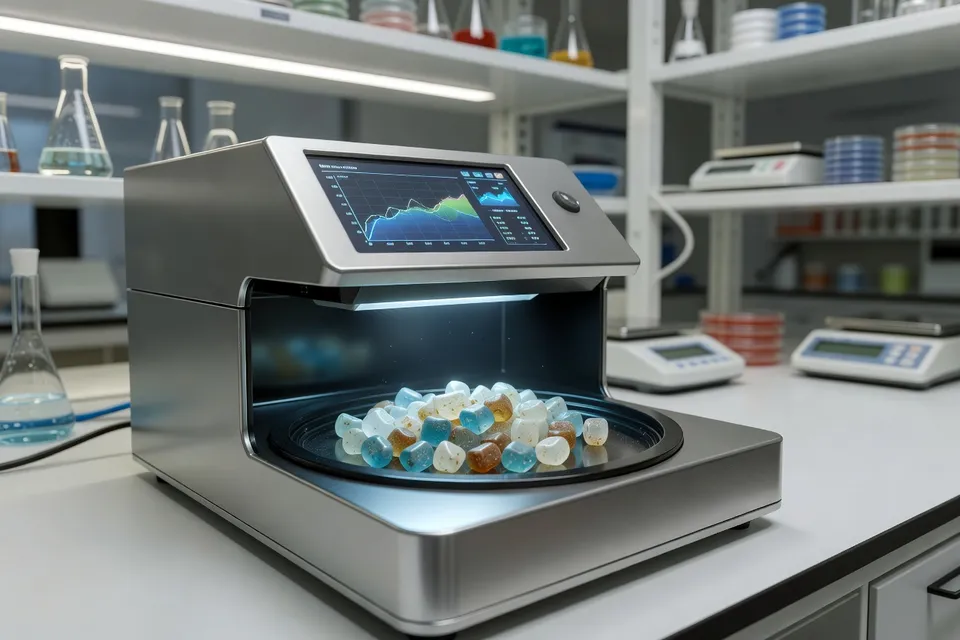
The relevant measurement is the sum of tetra-, penta-, hexa-, hepta- and decaBDE in mixtures and articles. That definition leaves little room for a supplier declaration that identifies only one compound or reports a screening result without showing the combined concentration.
| Application material | Current recovered-material limit | Toy limit from 17 May 2027 |
|---|---|---|
| Recovered plastic in covered products | 350 mg/kg | 10 mg/kg |
| Virgin plastic in covered products | 10 mg/kg | 10 mg/kg |
PBDE concentration limits in plastics for toys, May 2027
| Plastic type and period | Concentration limit (mg/kg) |
|---|---|
| Recovered (current) | 350 mg/kg |
| Recovered (2027) | 10 mg/kg |
| Virgin (current) | 10 mg/kg |
| Virgin (2027) | 10 mg/kg |
The table uses the limits stated for the PBDE sum in the EU rule described by Conphora. The change is not a phase-out of recycled plastic; it is a refusal to treat recovered feedstock as a permanent excuse for legacy contamination.
The buyer's acceptance test
For a toy brand, the incumbent is not a named polymer grade. It is the existing recycled stream that can deliver colour, impact performance, moulding behaviour and cost while carrying historical chemical baggage from its feedstock. The new constraint assigns the first gate to procurement and quality assurance: the granulate must arrive with data that reaches 10 mg/kg and covers the actual batch used in the toy.
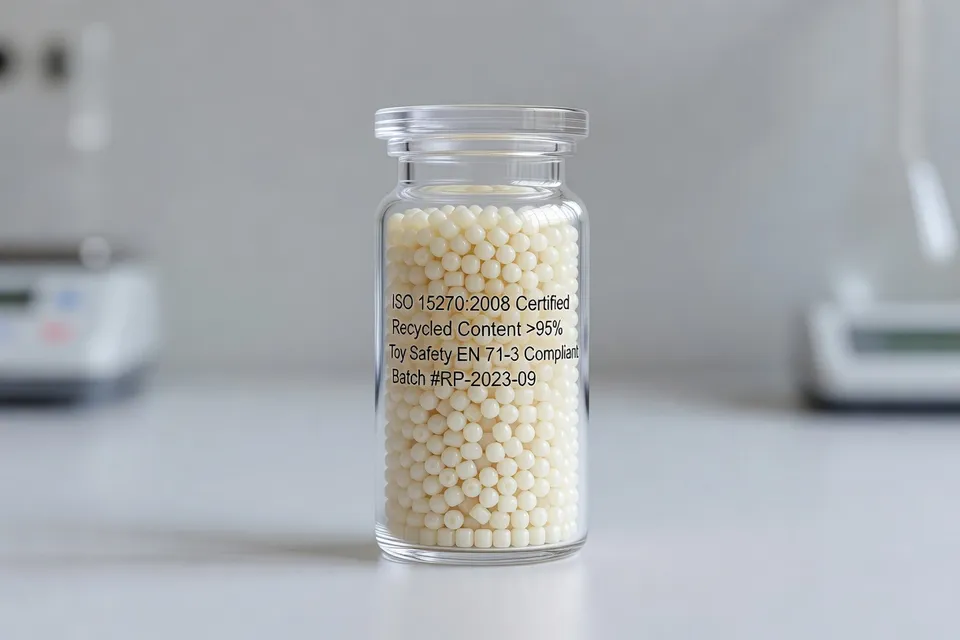
That requirement changes the purchasing question. “Recycled content” is not enough. A converter needs the polymer source, the contaminant scope, the test method, the reporting limit and the batch relationship. If the declaration covers a family of grades but not the shipment going into a child-contact product, QA still has an unresolved traceability problem.
A supplier may clean, sort or replace part of a feedstock stream. The regulation does not credit the effort. The finished article either remains below the limit or cannot be placed on the EU market when the limit applies. That makes a documented negative result more valuable than a sustainability claim and makes an uncontrolled post-consumer stream a poor choice for a regulated toy part.
The next chemical gates
PBDEs are the immediate deadline, but the same material-selection logic continues. The EU schedule described by Conphora limits the ultraviolet stabiliser UV-328 to 100 mg/kg from 4 August 2025, 10 mg/kg from 4 August 2027 and 1 mg/kg from 4 August 2029. Dechlorane Plus remains limited to 1,000 mg/kg until 15 April 2028 before falling to 1 mg/kg.
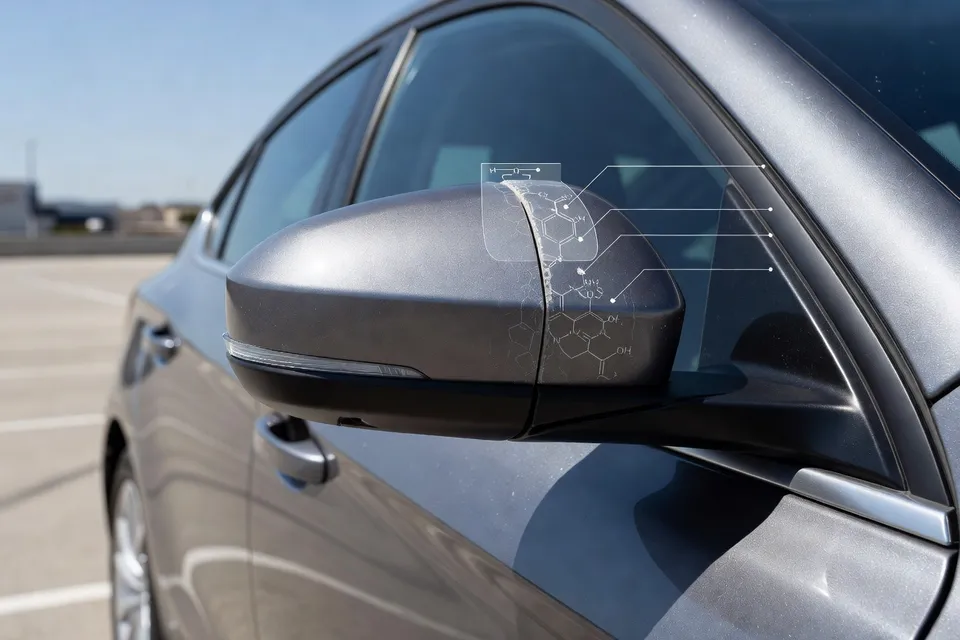
Those substances do not create one generic “recycled plastic” test. They create separate contaminant questions tied to the history of the resin. UV-328 can be associated with plastics and coatings exposed to sunlight, while Dechlorane Plus is another legacy additive with a staged restriction. A toy maker that qualifies a recycled grade only for PBDEs has not qualified it for every future chemical gate.
The rule also contains time-limited exemptions, principally for areas such as vehicles, aircraft, industrial coatings, medical equipment and spare parts. Those exemptions do not turn into a blanket defence for toys. A resin approved for another application does not automatically carry approval into a child's product.
What the specification still cannot prove
The 10 mg/kg threshold proves a concentration limit only when the test represents the material and the finished article under review. It does not prove that a recycled polymer will retain impact strength after repeated processing, that colour variation will stay within the toy maker's range, or that every incoming lot came from the same contamination profile. Those are separate qualification tasks.
It also does not prove that a product advertised as recycled is safer simply because it passes the PBDE rule. Chemical compliance is a floor, not a performance grade. Conversely, the rule does not prove that virgin plastic is the better engineering choice; it proves that recovered material must meet the same PBDE ceiling for the covered toy application.
The practical decision is therefore narrow. Toy makers can keep using recycled plastic where the recycler can control the feedstock and produce defensible batch data. They should refuse a grade whose evidence stops at recycled content, a broad supplier declaration or an old test against the 350 mg/kg allowance. The incumbent material survives only if its paperwork and chemistry survive together.
Editorial Insights
- What evidence should QA require before accepting recycled resin for a covered toy part?
- Ask for a batch-linked report that identifies the polymer source, the sum of the specified PBDE congeners, the test method, the reporting limit and the shipment or lot tested. Refuse a certificate that covers only a grade family, names one compound, or relies on a screening result without the combined concentration. The usual failure is approving a supplier declaration first and discovering later that it cannot be tied to the granulate moulded into the product.
- Can a recycler meet the general recovered-plastic limit and still supply a noncompliant toy grade?
- Yes. The toy application has its own 10 mg/kg PBDE ceiling, so compliance with a broader recovered-material threshold does not qualify the resin for a covered child product. Check the end-use route before approving the material; a certificate built around the general recycled-plastic limit can leave procurement holding a legally unusable lot.
- Does passing the PBDE test qualify recycled resin for future chemical restrictions as well?
- No. Set up separate qualification gates for PBDEs, UV-328, Dechlorane Plus and any other substance relevant to the feedstock history. Each gate needs its own contaminant scope, sampling basis and limit review. A recycled grade tested only for PBDEs may still carry a different legacy additive, especially when the supplier changes sorting, collection or blending practices without reopening the approval.
- What does a compliant PBDE result still fail to prove about the recycled polymer?
- Measure performance separately. A result below the chemical limit does not establish impact retention, colour consistency, moulding stability or lot-to-lot uniformity after repeated processing. Run the normal material and finished-part qualification work, then preserve the link between those results and the tested batch. The common mistake is treating a clean contaminant report as a complete grade approval and finding the real problem later in impact testing or production scrap.
- When should a toy maker reject an incumbent recycled grade rather than redesign the product around it?
- Reject it when the supplier cannot provide representative batch data against the 10 mg/kg ceiling or cannot control the feedstock well enough to preserve that evidence. Changing colour, geometry or mould complexity does not remove legacy contamination from the resin. Keep the grade only if its chemistry, traceability and processing performance can be requalified together; otherwise a design change merely hides a purchasing and compliance failure.
References
- 1.Conphora. (2026, November 17). Recycled plastic in toys must meet virgin-plastic limit for old flame retardants from May 2027. Conphora.
- 2.Big News Network. Ecowaste Coalition finds hazardous chemicals in some brain teaser toys. Big News Network.
- 3.Mindanao Times. Ecowaste Coalition finds hazardous chemicals in some brain teaser toys. Mindanao Times.
- 4.Utrecht University. Children's toys need to be safer and more sustainable. Utrecht University.
- 5.PlasticsToday. What Barbie's plastics reveal about design. PlasticsToday.
- 6.Toy Reviews. Fisher-Price Planet Friends. Toy Reviews.
- 7.Plastics Engineering. Trending people. Plastics Engineering.
- 8.Plastics Engineering. Sustainability snapshot: The LEGO Group. Plastics Engineering.